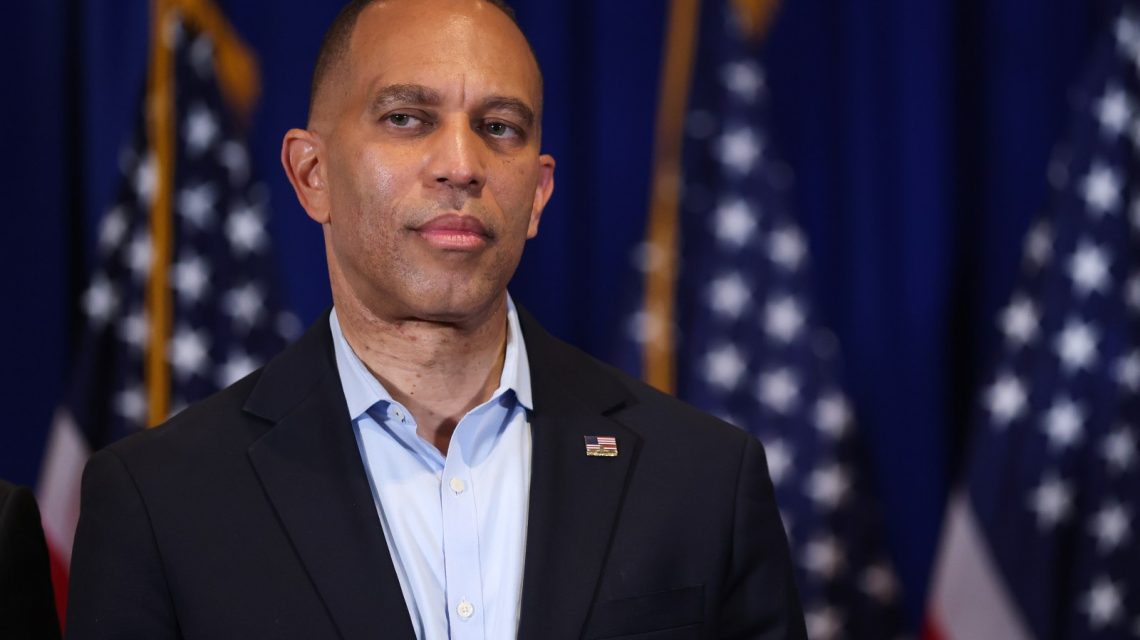
Kevin McCarthy’s tenure as House speaker was engulfed by Republican divisions, ultimately leading to his ousting. Representative Hakeem Jeffries seeks the same role, aiming to become the first Black speaker of the House in January. Yet, early resistance from the Democratic Party’s progressive wing hints at potential internal obstacles similar to those McCarthy faced.
Jeffries, a New York Democrat, has faced criticism over his Israel stance and past interactions with Jared Kushner. These factors have raised concerns about internal unity within the Democrats, although Jeffries does not currently face a revolt on McCarthy’s scale. McCarthy endured opposition from far-right Republicans, while Jeffries contends with dissatisfaction from the progressive left, according to University of Tennessee Professor Andy Busch.
Understanding the House Speaker’s Role
The House speaker leads the House of Representatives, influencing legislative agendas and negotiations with the Senate and the White House. The speaker wields significant power by controlling which bills reach the floor for votes.
Progressive Pushback and Jeffries’ Path
The upcoming vote for House speaker represents a test of Democratic unity following their midterm victory. Even with a larger majority, Jeffries faces challenges similar to McCarthy’s in managing diverse ideologies. On November 4, Jeffries announced his speaker bid after a successful midterm campaign; however, progressive hesitations could impact his path to leadership.
Democrats hold a substantial majority with at least 254 seats, offering Jeffries leeway within his party that McCarthy lacked. McCarthy faced difficulties due to his slim Republican majority, resulting in 15 rounds of voting. Jeffries, in contrast, benefits from a larger caucus that might absorb dissent from progressive factions.
Professors and political analysts, like David Cohen from the University of Akron, have stated optimism for Jeffries securing the speaker’s role without prolonged voting, noting differences in party dynamics and McCarthy’s challenges with the House Freedom Caucus.
Tension Points and Potential Path Forward
Challenges to Jeffries’ candidacy emerge from differing Democratic perspectives on party direction and leadership. Notable opposition figures include Claire Valdez, Darializa Avila Chevalier, and Melat Kiros. These disagreements could signify future hurdles but are unlikely to derail Jeffries’ immediate speaker bid.
The broader public’s uncertainty also reflects in a petition opposing Jeffries, accumulating over 1.1 million signatures. Critics argue the speaker should represent Democratic voters, not merely the establishment. Despite opposition, Jeffries shows readiness to bridge divides within the Democratic caucus.
Context of McCarthy’s Ousting
McCarthy became speaker after 15 voting rounds, conceding to conservative demands. His reliance on Democratic votes to avert a government shutdown led to his eventual removal. The motion to vacate, spearheaded by Representative Matt Gaetz, and supported by eight Republicans and nearly all Democrats, made McCarthy the first speaker ousted through such a vote.
Upcoming Leadership Decisions
House Democrats will select their leadership on November 18, with Jeffries unchallenged for the nomination. The decisive vote occurs on January 3, 2027, when Congress convenes and names a speaker through a House-wide vote. Republicans have also elected their leaders, with Representative Jim Jordan and Senator John Thune continuing in leadership roles.
 Mayor Mamdani’s Policing Reform Plans
 Gen Z Voter Shifts and Their Impact on the 2026 Midterm Elections
 Disappearance of US Senate Candidate Raises Questions
 DOJ Rule Change Reduces Appeal Time for Immigrants Facing Deportation
 Hakeem Jeffries’ Bid for House Speaker Faces Progressive Hurdles
 Ohio Judge Dismisses Defamation Lawsuit by Rep. Max Miller