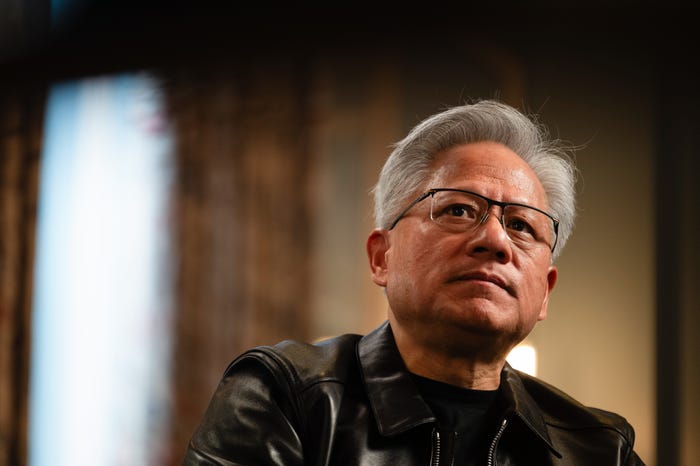
Nvidia’s board is currently examining whether CEO Jensen Huang was the target of a foreign intelligence effort. This comes after Huang admitted to an affair with possible links to espionage. This event shines a light on age-old spycraft tactics now emerging in the modern corporate world, particularly in sectors like AI chips, where business and national security interests intersect.
Fred Burton, a former special agent with the US Diplomatic Security Service, highlighted the aggressive strategies employed by China’s Ministry of State Security and the People’s Liberation Army. Their intricate operations often target high-level executives with access to sensitive information.
The Techniques Behind Espionage Operations
Will Geddes, founder of International Corporate Protection Group, explains that the most effective espionage operations do not begin with overt propositions in social settings. Instead, spies invest months studying their target’s habits, vulnerabilities, and social circles. The goal is to orchestrate a meeting that seems serendipitous at a work event or conference.
In Huang’s scenario, Alice Huang, a former executive at Megaspeed, became a person of interest. Reports suggest she could be an asset for China’s intelligence operations. The two have been seen together publicly across significant tech events, which raises concerns about her possible motives.
Spotting the Red Flags
Eric O’Neill, a former FBI counterintelligence operative, outlines key signs that executives should watch for. Questions around who initiated contact and the pace of relationship development are critical. Information obtained about one’s business and personal life also warrants scrutiny. Executives must verify identities and separate personal from corporate communications.
Despite the importance, background checks focused on a CEO’s personal relationships are infrequently conducted. When completed, they often look into criminal or financial histories of household staff rather than close acquaintances or partners.
Safeguarding Corporate Secrets
O’Neill advises seeking help if suspicions arise, to prevent potential leverage. He emphasizes vigilance around new partners who appear unexpectedly attractive or accelerate relationships prematurely. Their control over meeting places and times can signal ulterior motives.
Historical cases show the effectiveness of these tactics, even with experienced individuals. Burton notes their rarity in high-profile situations but affirms their established success.
As the situation involving Huang develops, the impact on his leadership role remains uncertain. Regardless, the case serves as a critical reminder of espionage risks within cutting-edge tech sectors. Businesses must stay alert to hostile party actions and traditional espionage techniques.
Recent events underscore the ongoing relevance of spy tactics in jeopardizing corporate and national security. O’Neill’s insights offer a guide for executives to navigate potential threats, reinforcing the need for diligence in protecting sensitive information.