Major companies are imposing bans and restrictions on AI agents. These measures prevent bots from making purchases on behalf of users and, in some cases, from browsing their websites. This comes in response to the rise of AI agents since the release of tools like Meta’s Muse and Instinct, as well as chatbots like ChatGPT and Claude, which have added agentic capabilities.
Companies are citing privacy and security concerns as reasons for these restrictions. There is also speculation that AI agents could cause sites to lose traffic if users no longer visit them directly to browse, buy, or book.
List of Companies with AI Restrictions
Amazon
Amazon’s Conditions of Use indicate that the company may limit the access AI agents have to the site. GeekWire reported that people using Muse to shop on Amazon received a popup warning unauthorized AI agent usage. Amazon states that they may restrict how any agent interacts with Amazon Services at their discretion.
Booking.com
Booking.com prohibits automated assistants from making bookings or accessing the platform without permission. The company states that it will block users it suspects of using unauthorized AI assistants.
eBay
eBay has updated its user agreement to prohibit AI-driven access without permission. The company specifically named types like ‘buy-for-me agents’ and ‘LLM-driven bots’ and emphasized the rejection of end-to-end flows that attempt to place orders without human oversight.
Resy
Resy, a restaurant booking platform, allows limited AI agent interactions. The company supports booking with approved services like ChatGPT and Claude but reserves the right to block unauthorized AI activity. Concerns cited include platform security and excessive demand.
Target
Target restricts AI shopping agents unless they receive explicit authorization. Approved agents include Target’s own AI Shopping Assistant and those from OAI, Google, and Microsoft. Target states that it can change the approved list and agent access anytime.
United Airlines
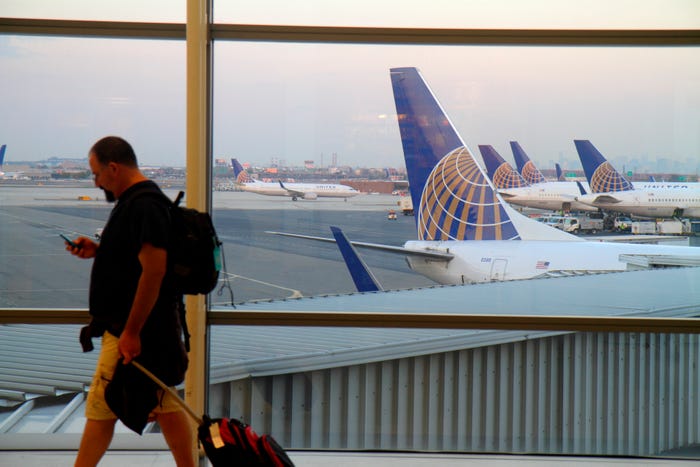
United Airlines announced restrictions on third-party agents due to security and regulatory risks. The company’s policy prohibits AI agents from searching, booking, or managing trips on its platforms. Some actions, like agents checking in on behalf of flyers, may breach federal regulations.
Yelp
Yelp does not permit non-human traffic without express permission. It has a paid data-licensing program that allows agents to access its data and perform actions through approved integrations, such as ChatGPT making reservations.
 The Daily Routine of Klook’s CEO Focused on Fitness and Efficiency
 The Jensen Huang Controversy: Silicon Valley’s Divided Opinion
 California Lawsuit Against OpenAI: Key Details and Implications
 Updates on Key International and Domestic Events
 E.l.f. Cosmetics Breaks Makeup World Record at TwitchCon
 Understanding Credit Freeze, Fraud Alert, and Identity Monitoring