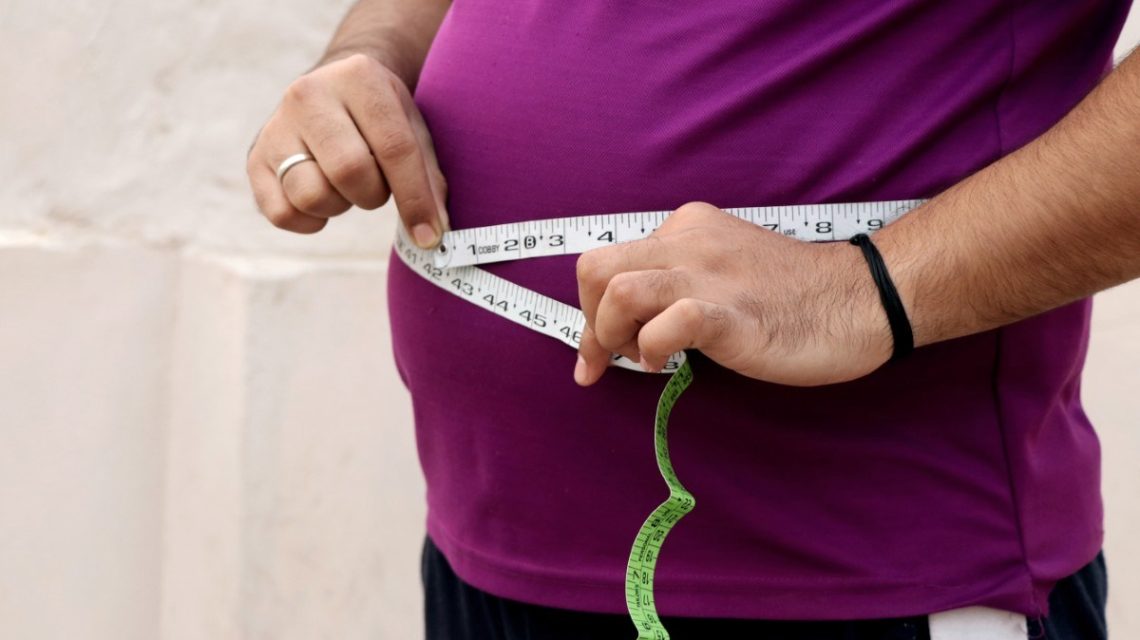
Previous studies have revealed that obesity impacts men and women differently. A new animal-based investigation offers potential insights into why these differences exist. Researchers at the University of California, Riverside, have discovered in mice that an immune cell type may behave differently based on sex.
Experts suggest this finding could challenge the traditional assumption that eosinophils, white blood cells involved in combating parasites, bacteria, and allergens, are the same in men and women. This insight might pave the way for more targeted treatments.
Biological Sex and Immune Function
Study author Meera Nair, a professor of biomedical sciences at the University of California Riverside, noted that biological sex significantly influences immune cell function. Male and female immune systems should not be treated as identical.
“Immune cells like eosinophils may exhibit flexibility as their functions and gene expression profiles respond to their surrounding tissue environment, biological sex, and external factors,” Nair explained. “Our metabolic health hinges on how immune cells act within fat tissue, which presents an opportunity for targeted reprogramming for improved outcomes.”
The journal PNAS Nexus published the study findings in November. It identified that although women show a higher overall prevalence of obesity, men tend to accumulate more visceral fat, which raises risks for cardiovascular and metabolic diseases.
Factors such as hormonal differences, gut microbiome variations, and sociocultural influences contribute to these disparities.
Study Insights
The research identified six eosinophil clusters in mice’s fat tissue, each with slightly different functions. Some of these clusters could protect against obesity, according to the researchers.
Nair explained that under healthy conditions, eosinophils help maintain a balanced fat tissue environment by controlling inflammation. In this role, they coordinate with other cell types to prevent metabolic and cardiovascular diseases like diabetes and heart attacks.
“These findings suggest that ‘quality’ matters equally as ‘quantity’ regarding eosinophils and obesity,” Nair added. Female mice displayed a higher overall eosinophil count, with one cluster working alongside macrophages to sustain healthy metabolism. In contrast, male mice showed a pro-inflammatory eosinophil cluster when consuming high-fat diets.
This means female mice maintain a protective, balanced immune environment, while male mice experience inflammatory cell populations and disruptions in cell communication during obesity.
Implications of the Findings
Nair indicated the research points to targeted cellular reprogramming as a novel therapeutic approach. Treatments could aim to modify the genetic programming of inflammatory eosinophils to resemble the protective eosinophils found in females.
Though these findings are based on mice, human studies have recognized eosinophils in fat tissue and linked them to higher odds of being overweight.
Dr. Caroline Apovian, the director of the Mass General Brigham Weight Center, noted that hormonal differences protect women from visceral fat and inflammation compared to men, at least until menopause, due to estrogen.
“Fat tissue functions as an endocrine organ, with hormones and immune cells engaging in endocrine communication from fat to brain, heart, lungs, and liver systematically,” Apovian remarked. “The study further shows that obesity is a disease influenced by hormones secreted from fat tissue and other organs.”
 The Future of MAHA in American Health Politics
 Insulin Cost Caps Gaining Support Amid Rising Prices
 A Personal Journey Through Encephalitis
 Low-Cost Medication May Benefit Stroke Survivors
 The Complex Debate Over Kratom Use in the U.S.
 Florida’s Struggle with Dengue Fever and AI Solutions