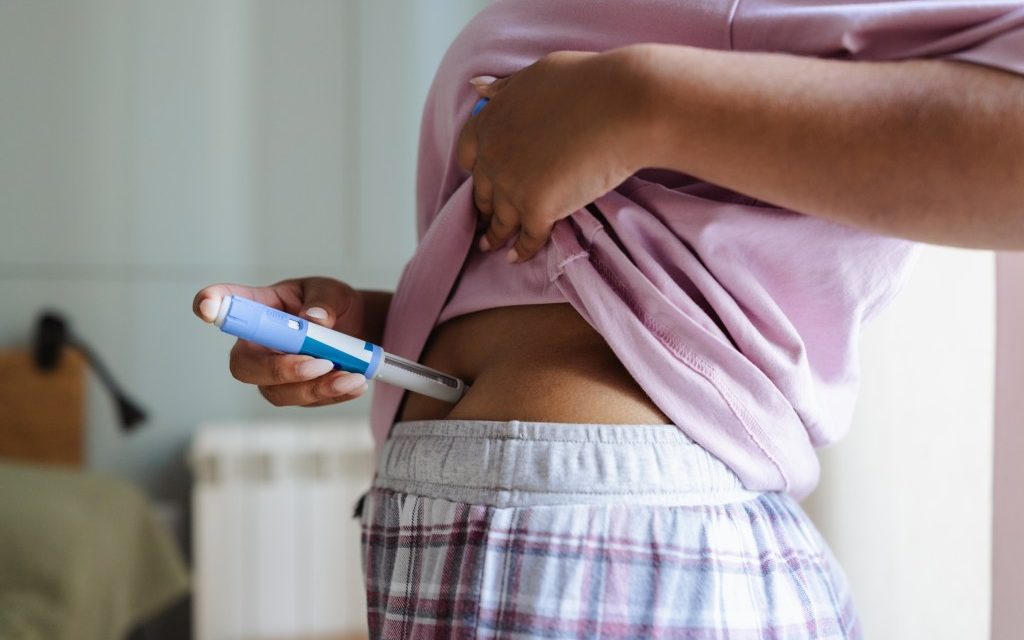
GLP-1 medications like Ozempic, Wegovy, and Zepbound have transformed how patients manage weight and diabetes. However, research shows that many individuals cease using these medications within a year, which can bring potential rebound risks, such as rapid weight regain and loss of cardiovascular protection.
Reasons for Stopping GLP-1 Medications
Dr. Frank Dumont, an internal medicine physician and executive medical director at Virta Health, explains why patients stop taking GLP-1s and shares insights on the potential risks and ways to maintain progress afterward.
Some patients discontinue due to side effects like nausea, vomiting, constipation, and diarrhea. Dumont emphasizes the importance of consulting with a physician to decide if continuing the medication is appropriate. Acute issues, such as pancreatitis, necessitate immediate cessation. Although rare, pancreatitis can pose serious health threats.
There are warnings about thyroid tumors linked to GLP-1 medications based on animal studies. These should not be used by those with a history of medullary thyroid carcinoma or multiple endocrine neoplasia syndrome type 2 (MEN 2).
Risks After Stopping GLP-1
Dr. Dumont outlines six key risks patients face after stopping GLP-1 medications.
1. Return of Hunger and Cravings
Once GLP-1 medication is stopped, many patients experience a surge in appetite and cravings. Termed as “food noise,” this change is significant. Many assume GLP-1s can be short-term aids, but obesity often requires ongoing management, according to major medical bodies like the American Medical Association (AMA).
2. Weight Regain
Weight regain is a common occurrence post-GLP-1 cessation. In trials such as STEP 1, participants regained most of the weight lost within a year. The SURMOUNT-4 trial for tirzepatide showed similar results when patients switched to a placebo.
3. Change in Biomarkers
GLP-1 medication enhances biomarkers like blood sugar, blood pressure, and cholesterol. If these improvements are not supported by dietary changes, they may reverse.
4. Worsening Body Composition
Weight loss with GLP-1 use includes losing muscle mass. Dumont warns that regaining fat without muscle can affect physical health negatively. Preserving muscle helps with metabolism and daily activities.
5. Mental Health Effects
Stopping GLP-1 can impact mental health, especially for those viewing it as a last hope after unsuccessful diets. Regaining weight while losing progress can be disheartening.
6. Loss of Health Protection
Stopping GLP-1 may heighten risks of cardiovascular events in type 2 diabetes patients. Inflammation, cholesterol, and blood sugar levels may worsen, increasing the chances of severe events like heart attacks.
Maintaining Progress After Stopping
Dr. Dumont recommends reaching metabolic goals and implementing lasting lifestyle changes to preserve progress. He advises adopting sustainable eating habits before stopping GLP-1 and working with health care providers to monitor weight and health afterward.
A Virta-affiliated observational study showed that structured nutrition programs help patients stop GLP-1 medications successfully, though results may vary.
 The Future of MAHA in American Health Politics
 Insulin Cost Caps Gaining Support Amid Rising Prices
 Efforts to Counter Food Assistance Cutbacks in San Diego
 A Personal Journey Through Encephalitis
 Low-Cost Medication May Benefit Stroke Survivors
 The Complex Debate Over Kratom Use in the U.S.