Politicians who once pushed companies to embrace leftist ideals now seek to penalize them for opting out. A 182-page document from a progressive group, reported by Fox News, outlines plans for Democrat-led investigations. These investigations target companies that have avoided joining the political conflict against the Trump administration, instead choosing neutrality or collaboration.
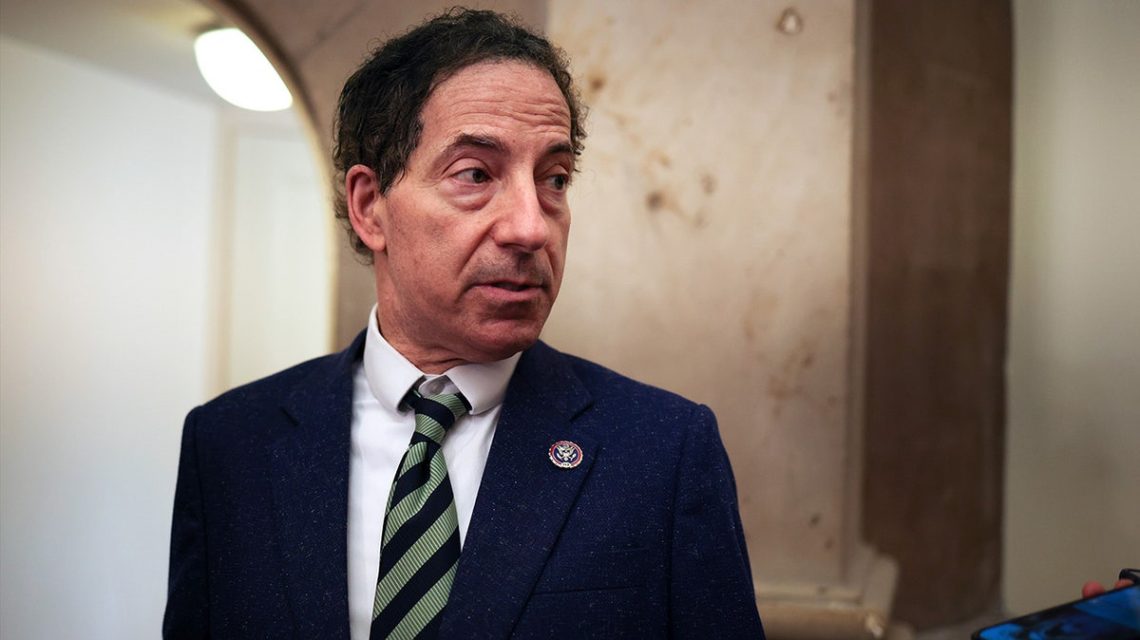
Maryland Democrat Rep. Jamie Raskin, anticipated to lead the House Judiciary Committee, has been forthright in his intentions. He pledged that Democrats will target corporations he sees as complicit with Trump’s lawlessness. Raskin specifically criticized law firms that ended Diversity, Equity, and Inclusion (DEI) programs following agreements with the Trump administration.
This appears more like political retribution masked as accountability. The contradiction is evident.
Raskin and allies have portrayed corporates as victims of Trump-era pressures. Yet when companies start rejecting progressive demands, such as ignoring activist scorecards or reducing DEI programs, Raskin plans to challenge them using subpoenas and hearings. His message is clear: engagement with progressive goals is expected, and deviation is not tolerated.
The push for corporate compliance has roots in past years through Environmental, Social, and Governance (ESG) frameworks and activist campaigns. These efforts pressed businesses into undertakings beyond their primary purposes. Hiring and promotions drifted from merit to identity politics. Marketing shifted to support progressive causes, and boards were urged to engage in political disputes. These actions did not improve business outcomes, instead causing distraction, legal risks, and alienation among stakeholders.
Recently, companies have begun disengaging from activist demands. They are focusing on core operations and restoring merit-based employment standards. These moves, viewed by some as capitulation, are practical corporate governance. By prioritizing business goals, companies fulfill their legal obligations and shareholder responsibilities.
Corporate leaders endure clear legal duties, with their main obligation to the corporation and shareholders. Political affiliations or activism are secondary. Shareholders’ interests justify a company’s existence. Political influences should not disrupt these primary duties. Corporations have distanced from progressive activism and should remain uninfluenced by external political pressures.
The 1792 Exchange monitors these trends, observing a shift as companies exit activist frameworks and refocus on operational goals. Limiting political engagement is beneficial, aligning activities with customer and owner interests. This approach reduces legal risks and supports ethical business operations.
Democratic majorities face a decision: pursue companies shifting away from progressive activism or respect economic freedom and neutrality. Harassing businesses that prioritize shareholder interests over political engagement diverts congressional resources and stifles decision-making. In contrast, honoring corporate freedom fosters prosperity and opportunity.
Companies that refrain from political scorecards and focus on core missions should persevere. Their obligation lies with shareholders, employees, and customers, not political agendas dictated by congressional leaders.
 Spanish Election Shifts Power Dynamics: Trump Responds to Sánchez’s Defeat
 Texas Governor-elect Expanding Abortion Exceptions and Pennsylvania’s Abortion Rights Debate
 Gov. Hochul’s Upcoming Battle Against New York’s Trial Lawyers
 Governor Hochul’s Strategy to Enhance New York’s Affordability
 States Challenge Immigrant Enforcement Amidst Legal Battles
 The Rule of Law and the Fall of the Roman Republic