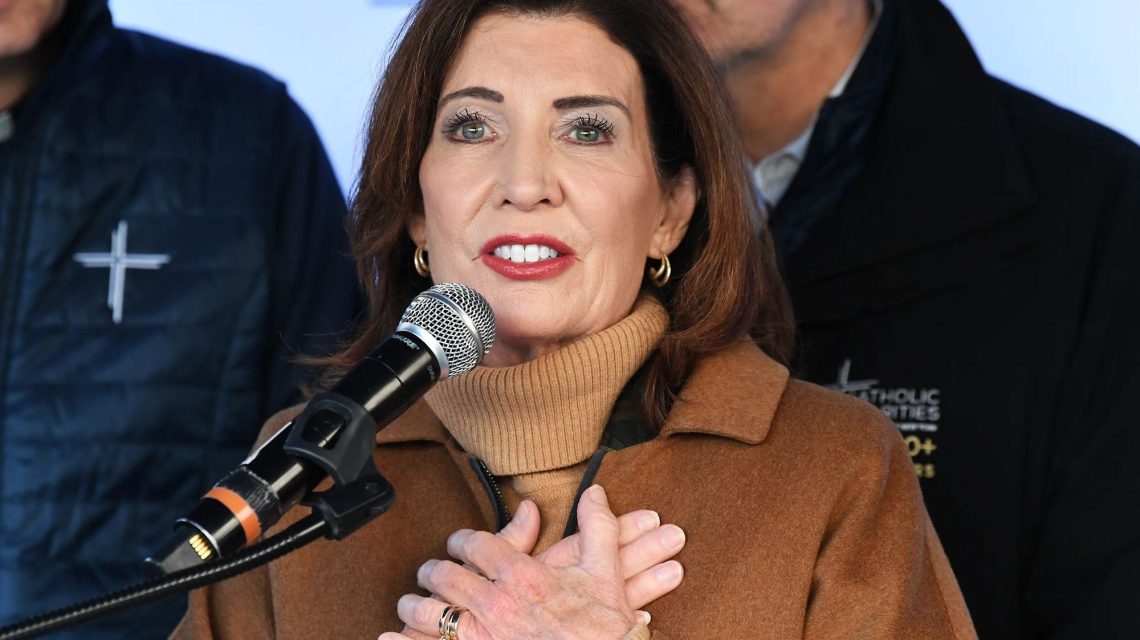
Governor Kathy Hochul is preparing for a significant challenge. She aims to address the influence of trial lawyers, a powerful group in Albany.
New York City imposes significant taxes on electricity. Apartment residences face a 36% tax, while single-family homes endure a 41% tax. This system results from the complex rules established by Albany.
Con Edison customers cover a notable portion of the company’s property tax through their electric bills. Currently, an average customer’s delivery charge includes a 21% property tax component.
Randi Weingarten and others resist school choice initiatives. They worry that offering educational options to parents will lead to dissatisfaction. Consequently, these groups oppose federal tax rebate plans vigorously.
The upcoming gubernatorial election raises financial accountability questions. Governor Hochul and her opponent, Bruce Blakeman, have faced limited scrutiny regarding budget strategies.
The policies supported by Mayor Zohran Mamdani challenge New York’s energy infrastructure. These initiatives, which promote green energy, risk destabilizing the power grid during hot weather.
In budget negotiations, Governor Hochul secured agreements on various non-fiscal demands. Yet, some consider these compromises her greatest oversight.
Mayor Mamdani announced a balanced $125 billion budget for New York City, thrilling his advocates. However, some view this as a short-term fix that ignores future fiscal challenges.
A looming LIRR strike poses threats beyond commuter disruptions. The strike could lead to heightened fares and taxes across the MTA region.
Mayor Mamdani’s recent budget presentation drew skepticism. The financial challenges facing New York City remain, despite the immediate relief portrayed.
Governor Hochul contends with pressure from public employee unions seeking substantial financial commitments. These demands, if met, would increase taxpayer burdens by $1.5 billion annually.
The GOP’s engagement with unions may hinder economic growth. This alliance could lead to increased consumer costs and diminished competitiveness for businesses.
With an upcoming budget deadline, Albany faces potential financial instability. Officials, including Governor Hochul, appear unfocused on these impending challenges.
Public-employee unions seek drastic pension contributions reductions and an earlier retirement age. These requests aim to ease financial obligations for members.
Mayor Mamdani continues to explore cost-saving measures. For substantial savings, more aggressive strategies may be needed.
New climate laws promise increased costs and potential blackouts in New York. Governor Hochul’s administration grapples with reducing greenhouse gas emissions.
Public unions’ demands could divert significant funds from taxpayers. Elected officials often support these unions’ requests without critical evaluation.
Mayor Mamdani’s financial ultimatum has roots in various decisions and influences. The current budgetary crisis results from multiple factors.
New York leads in Medicaid spending under Governor Hochul’s present budget plan. Critics argue that the term ‘budget’ inadequately describes this spending plan.
Governor Hochul’s handling of AI data centers raises concerns. Public discourse on data centers overshadows more pressing issues influencing electricity costs.
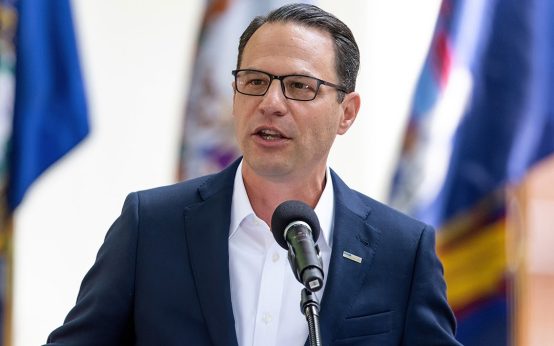 Texas Governor-elect Expanding Abortion Exceptions and Pennsylvania’s Abortion Rights Debate
 Gov. Hochul’s Upcoming Battle Against New York’s Trial Lawyers
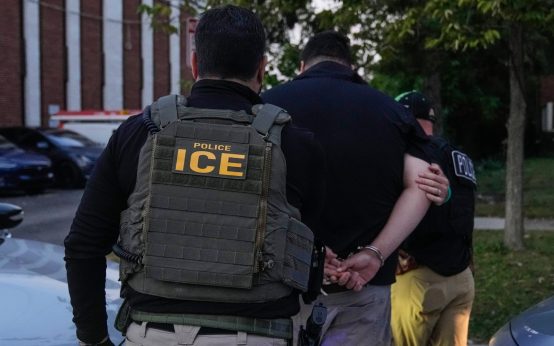 States Challenge Immigrant Enforcement Amidst Legal Battles
 The Rule of Law and the Fall of the Roman Republic
 Latest Developments in Politics, Technology, and Economy
 Republican Congressman-Elect Discusses GOP Strategies for Regaining House Majority