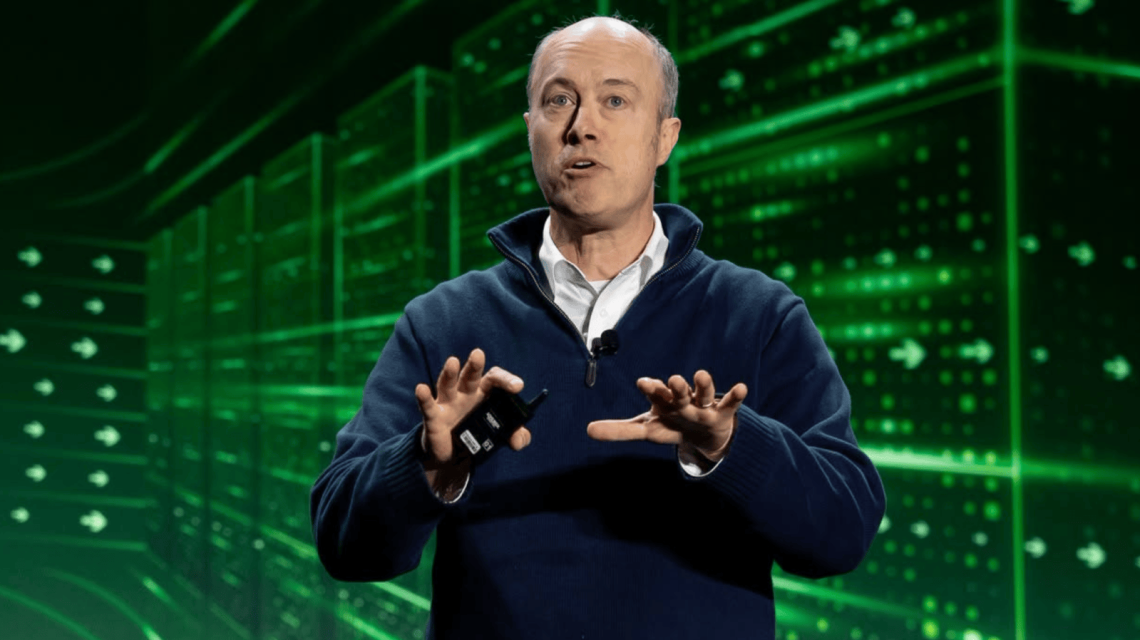
Nvidia’s board of directors announced Thursday that CEO Jensen Huang has resigned after leading the company for 33 years. The board acknowledged Huang’s significant contributions since co-founding Nvidia in 1993. Executive Vice President and CFO Colette Kress will fill the CEO role on an interim basis.
Huang’s departure follows reports of two affairs: one involving a Chinese national suspected by U.S. intelligence as a spy, and another with an employee. The market reacted quickly to these developments. Nvidia shares dropped, and analysts downgraded the stock amid concerns over the company’s future without Huang, who helped build Nvidia into a multitrillion-dollar tech giant.
Jensen is Nvidia. He is the visionary,
Bernstein Senior Analyst Stacy Rasgon commented after reducing Nvidia’s price target by 50 percent to $200.
The lack of an apparent successor has amplified worries. John C. Coffee Jr., a Columbia Law School professor, noted the company’s unusually flat organizational structure, pointing out that Huang hadn’t created a clear number two.
With Huang’s exit, the Nvidia board searches for a permanent CEO, considering both internal and external candidates. Analysts and prediction markets have started discussing potential successors.
Potential Successors
1. Ian Buck: Having joined Nvidia in 2004, Buck serves as vice president of hyperscale and high-performance computing. He is credited with developing CUDA, pivotal for using Nvidia GPUs in general-purpose computing. Analysts view Buck as a strong internal candidate given his pivotal role in key technologies.
2. Tim Cook: Former Apple CEO Tim Cook emerged as a contender following comments by former President Donald Trump. Cook’s experience guiding Apple through substantial growth invites comparisons with Nvidia’s trajectory.
3. Colette Kress: Currently interim CEO, Kress has been Nvidia’s CFO since 2013. With her leadership, Nvidia’s revenue soared from $4 billion to $216 billion. Analysts suggest she could ensure continuity post-Huang.
4. Renee Haas: CEO of ARM Holdings, Haas is a former Nvidia executive. Her semiconductor expertise and leadership experience make her a compelling external option.
5. Lisa Su: Chair and CEO of AMD, Su is recognized for transforming AMD into a strong competitor. With substantial semiconductor industry experience, Su could bring crucial expertise to Nvidia.
Analysis and Future Prospects
Nvidia’s future leadership remains uncertain. Nvidia’s stock and reputation have been heavily impacted by Huang’s resignation. Analysts suggest that the leadership choice, while important, may not be the company’s only challenge. Legislative scrutiny and setbacks in diminishing export restrictions to China, efforts previously led by Huang, could affect Nvidia’s operations further.
The industry remains optimistic about Nvidia’s prospects despite these headwinds. The Nvidia Way author Tae Kim expressed confidence that Huang’s departure doesn’t wipe out the company’s progress, noting that Nvidia’s plans for the next few years are already set in motion.
 The Jensen Huang Controversy: Silicon Valley’s Divided Opinion
 Saudi National Arrested in Alleged OpenAI Bugging Case
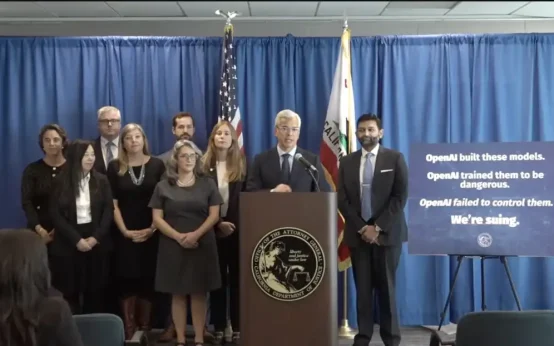 California Lawsuit Against OpenAI: Key Details and Implications
 Updates on Key International and Domestic Events
 E.l.f. Cosmetics Breaks Makeup World Record at TwitchCon
 Understanding Credit Freeze, Fraud Alert, and Identity Monitoring