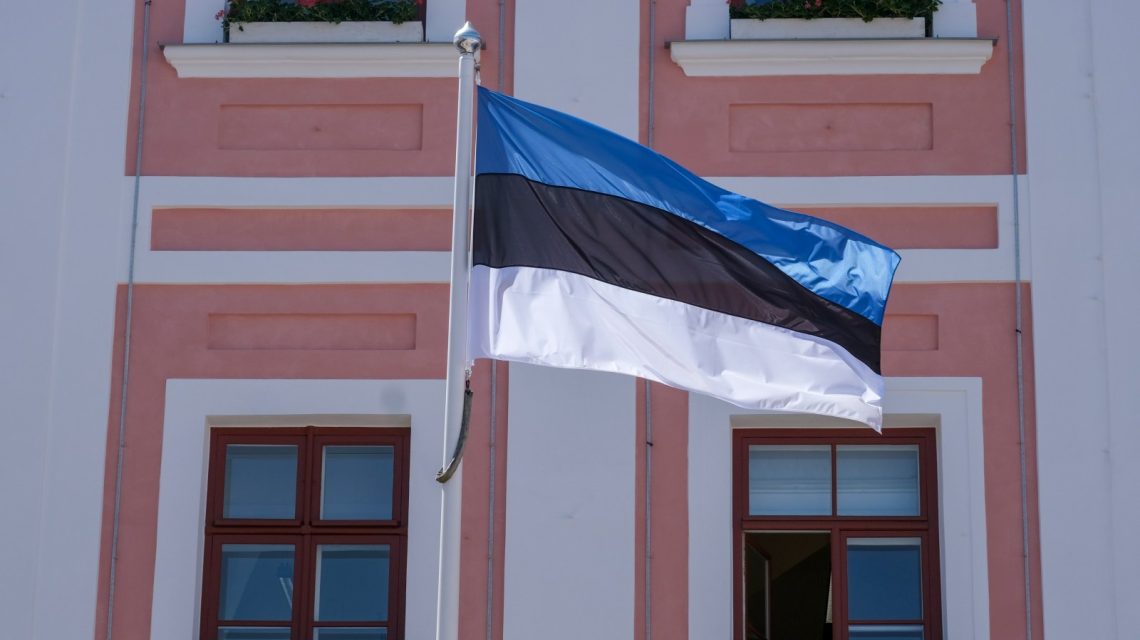
Starting December 1, NATO member Estonia will close all road border crossings with Russia. This decision follows accusations that Russia’s GRU military intelligence attempted a sabotage attack on an Estonian defense company.
Estonian Foreign Minister Margus Tsahkna announced the measure, asserting the presence of “clear evidence” linking the GRU to the attack on Threod Systems. This company specializes in drones and surveillance systems.
“Russia must understand that hostile actions against Estonia come with consequences,”Tsahkna stated on X. He added that attempts to intimidate or destabilize Estonia will face pushback.
Closing the road crossings aims to limit Russia’s opportunity for hostile activities within Estonia. It also strengthens sanctions enforcement.
Estonian authorities report that suspects attempted an attack on Threod Systems in Viimsi, near Tallinn. The goal was to cause an explosion and set the premises on fire. Security staff intervened before major damage occurred. Eight suspects were detained.
Estonia’s Internal Security Service, known as KAPO, confirmed intelligence indicating GRU involvement in the operation.
This border closure marks a substantial move by Estonia, a NATO member, in response to increasing Russian sabotage and covert actions in Europe. Prime Minister Kristen Michal described the attack as part of a “broader hybrid war against Europe” by Russia. He emphasized Estonia’s refusal to be intimidated.
With a population of about 1.36 million, Estonia restored its independence in 1991 after Soviet occupation. The country is a strong supporter of Ukraine since Russia’s full-scale invasion in February 2022.
The incident follows an August attack on another Estonian defense company, Milrem Robotics, also attributed to Russian intelligence. Estonian security officials caution that European defense manufacturers face growing targeting to disrupt arms production and aid to Ukraine.
Estonia’s decision to close the crossings coincides with recent talks between Russia and Ukraine facilitated by the U.S.
These talks in Abu Dhabi on November 10 included representatives from Russia, Ukraine, and the United States. U.S. Secretary of State Marco Rubio called the discussions “very productive,” while Ukrainian President Volodymyr Zelensky found them “constructive and quite substantive.”
They reached an agreement on a large prisoner exchange but did not yield an immediate ceasefire. Rubio warned against assuming a swift peace agreement.
The backdrop of these negotiations includes continued strikes and fundamental discrepancies over territory and security.
Estonia will shut its three remaining road crossings with Russia: Narva, Luhamaa, and Koidula. Currently, Narva is pedestrian-only; the others permit vehicles.
Authorities continue to investigate the attack on Threod Systems. Reports indicate five of the eight suspects remain in custody.
Estonia perceives the alleged sabotage not as a one-off crime but as a part of a broader Russian threat. Tsahkna stated explicitly that hostile actions will not go unpunished.
 In-Flight Altercation on Qatar Airways Leads to Police and FBI Response
 Mayor Mamdani’s Policing Reform Plans
 Virginia Residents Sue Over Alleged Immigration Violations
 Gen Z Voter Shifts and Their Impact on the 2026 Midterm Elections
 Disappearance of US Senate Candidate Raises Questions
 DOJ Rule Change Reduces Appeal Time for Immigrants Facing Deportation