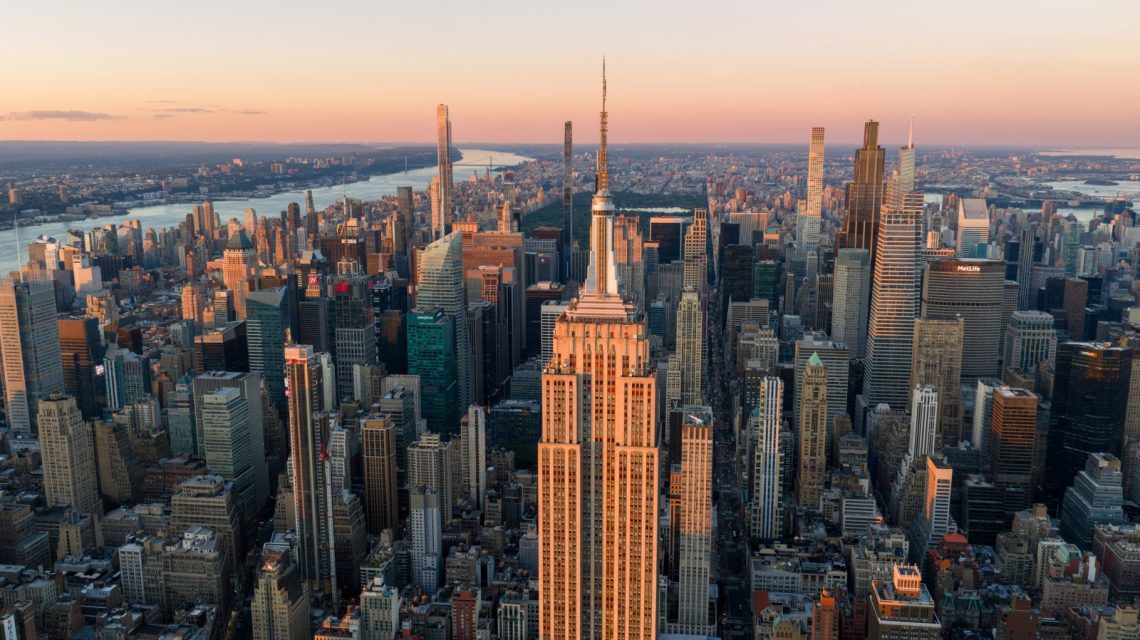
The luxury housing market in New York City remains robust, even with Mayor Zohran Mamdani’s new tax on high-value second homes. The city’s first pied-à-terre tax, effective July 1, targets non-primary residences valued over $5 million. This measure is part of a broader initiative to enhance housing affordability.
Early market data indicates little deterrence for affluent buyers looking at Manhattan’s priciest properties. Compass’s second-quarter Manhattan report shows a 25 percent year-over-year increase in home signings above $20 million, while those in the $10 million to $20 million range climbed 38.6 percent. Compass notes in its report, “The introduction of the pied-à-terre tax appears to have had only a limited impact, with some buyers opting to purchase primary residences instead of second homes.”
Understanding the Pied-à-Terre Tax
This tax is a key component of Mamdani’s fiscal strategy. It affects second homes in New York City valued at $5 million or more, aimed at generating new revenue from these properties. State and city officials anticipate raising around $500 million annually from approximately 13,000 properties, with funds earmarked for housing initiatives.
However, Comptroller Mark Levine projects lower revenues, estimating between $340 million and $380 million per year, contingent on how the tax is structured and enforced. Proponents argue that the tax asks the owners of multimillion-dollar homes to contribute more to address the city’s housing challenges. Opponents fear it may deter investment or encourage relocations to states with lower taxes. Despite these concerns, luxury market data suggests limited impact.
Luxury Market Stays Strong
The luxury market, particularly condominiums, is performing well. Contract activity for condos priced between $10 million and $20 million grew by 54.5 percent, while properties exceeding $20 million saw a 33.3 percent increase. Asking prices in the ultra-luxury sector rose 13.9 percent.
Affluent buyers appear unaffected by high mortgage rates, inflation, and economic uncertainty. Rising equity markets, Wall Street bonuses, and generational wealth provide insulation. Compass broker Christine Miller Martin observes significant capital influx from recent IPOs and financial markets, stating, “At this level, buyers are seeking something rare—they’re buying provenance and irreplaceability, not just square footage.” Long-term ownership remains a priority for these buyers.
Tight Supply Supports Prices
Limited inventory continues to bolster the market. Compass reports that active listings in Manhattan dropped 8.2 percent year-over-year to 6,616 units, with new listings declining 13 percent, marking a nearly three-year trend of constrained supply.
However, the ultra-luxury market saw new listings above $20 million increase by 39.1 percent, fueling interest among buyers of high-value homes. Overall, Manhattan sales fell by 3.5 percent from the previous year, yet contract signings rose 3 percent, suggesting active buyer engagement despite economic challenges. Demand widened beyond luxury, with contract activity increasing 24.5 percent in Lower Manhattan and 15.6 percent in Upper Manhattan.
Outlook
Predictions of an exodus of wealthy New Yorkers due to Mamdani’s election and increased property taxes have not materialized. Although it is still early in the mayor’s tenure, current data does not reflect a migration to lower-tax states like Florida and Texas.
 Navigating Los Angeles Real Estate on a Budget
  Mortgage Rates Return Above 7% After Twenty Months
  Inland Empire Grapples with Growing Housing Affordability Concerns
  Challenges in Los Angeles’ Multifamily Housing Market
  Jevon Carter Sells Chicago Town Home
  Charming River Forest Home With Custom Features