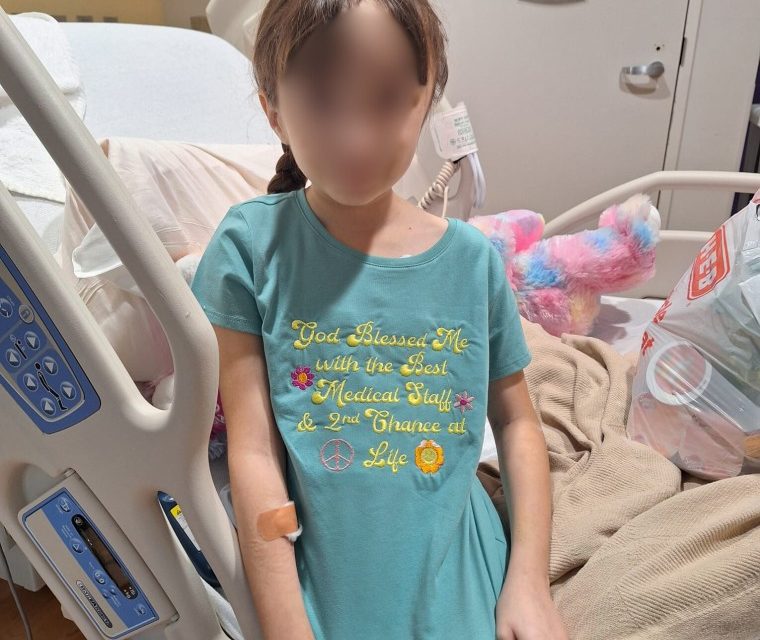
The Mother’s Fight for Her Daughter’s Health
A U.S. citizen child’s mother, who was deported, recently learned her request to return for her daughter’s medical care was denied. The daughter, once treated in the U.S. for a rare brain tumor, now lives in Mexico where her health worsens.
The mother expressed extreme frustration, describing the news as a shock. The family was deported over a year ago, disrupting essential medical treatment in the United States.
Struggling Without Specialized Care
Since their deportation, the daughter’s condition has deteriorated. She experienced a severe seizure, requiring urgent medical attention at a distant hospital. Tests indicated regression in her brain’s ability to regenerate, crucial for her motor skills and speech.
The girl now suffers frequent spasms and severe pain. Her mother observes a significant decline in her abilities, comparing her mental capacity to that of a younger child. The girl is growing more anxious about her declining health.
Barriers to Returning to the U.S.
“As a parent, I want to move heaven and earth to help her.” – The Mother
The family received refusal letters without explanation. U.S. Citizenship and Immigration Services stated that ICE has jurisdiction over parole decisions, leaving the family uncertain about their next steps.
The girl cannot travel by plane, complicating potential returns to U.S. medical facilities. The family continues to face hurdles in accessing specialists willing to assist without complete medical records.
Legal Struggles and Advocacy Efforts
The Texas Civil Rights Project supports the family, weighing options for reapplying for humanitarian parole. Reapplying is expensive, with each submission costing over $1,000. Advocacy outreach aims to garner congressional support.
Deportation of the family began with a hospital trip gone awry. Their daughter’s symptoms prompted a drive to her hospital, only for them to be detained and sent to Mexico instead.
Impact on the Family’s Prospect
While the Department of Homeland Security enforces removal orders on the parents, only deported parents can decide if their U.S. children accompany them.
Humanitarian parole offers hope for the daughter’s treatment, but the process under the current administration presents challenges—denials have surged, causing a backlog.
As U.S. parole policies narrow, the need for case-by-case evaluations remains crucial.
The daughter has celebrated two birthdays in Mexico. Each marks resilience but also highlights the limited options left for her care. Advocacy groups emphasize the need for family reunification to allow access to vital medical treatment in the U.S.
 The Measure of Friendship
  A Honeymoon Safari Turns Into a Fight for Survival
  Facing Terminal Illness: Embracing Life’s Moments
  Journey Through Love and Health Challenges
  Florida Woman Discovers Brain Tumor After Mysterious Symptoms
  Challenges in Prosecuting Sexual Assault Cases Involving Substance Use