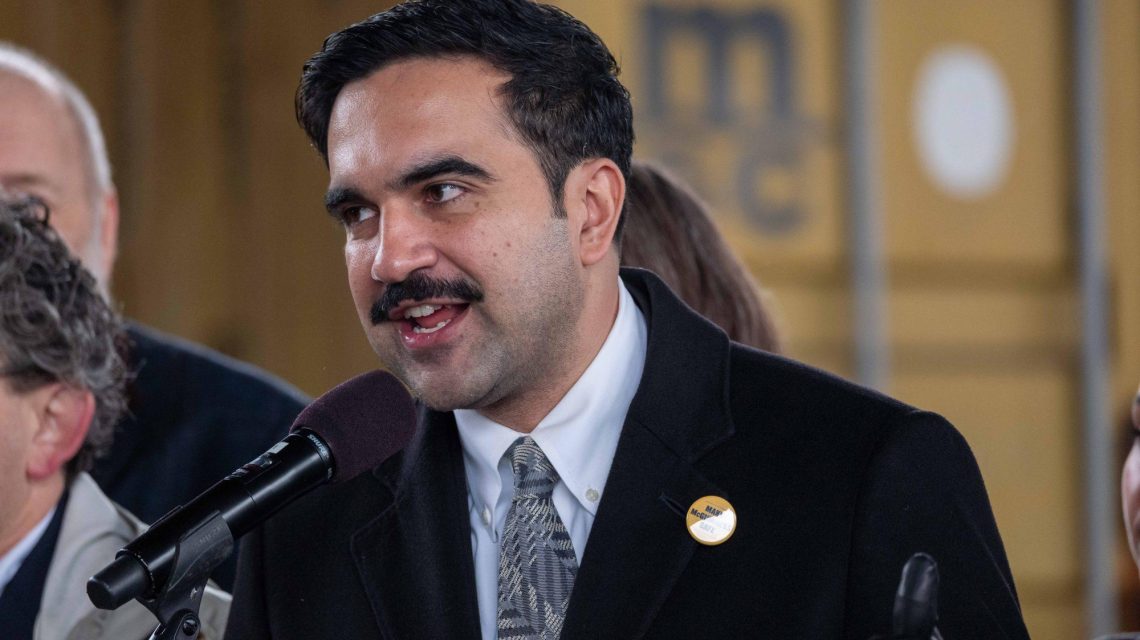
On November 13, 2026, Mayor Zohran Mamdani spoke at McGuinness Boulevard in New York, announcing his intention to replace the Strategic Response Unit with civilian teams. This decision came as a part of fulfilling a significant campaign promise, although concerns about its potential consequences linger.
Mamdani’s announcement coincided with an incident where two unarmed peace officers were shot while performing a wellness check in Co-op City. This event highlighted the risks associated with his proposed changes. The mayor, aiming to satisfy his supporters, hesitated to implement this promise for nearly a year. He acknowledged the possibility of repercussions if the transition failed.
The transition process involves identifying and hiring suitable recruits for the new civilian squads, followed by comprehensive training. This process means the civilian teams may not begin their duties until late 2027 or into 2028. Initially, they will handle less demanding tasks, slowly gaining experience before taking on larger responsibilities.
Mayor Mamdani’s strategy positions him favorably for the upcoming Democratic primary in 2029, minimizing political risk for himself during this period. Meanwhile, his support might aid City Councilman Chi Ossé in advancing the CURB Act, potentially cementing these reforms and limiting reversal by future mayors.
Critics argue that if a situation similar to the 2020 riots arises, the civilian squads may struggle to maintain control, jeopardizing public safety. There is concern that such a scenario could result in significant community unrest. Mamdani’s approach, perceived as prioritizing political survival, raises questions about the potential impact on the city’s welfare.
 Gen Z Voter Shifts and Their Impact on the 2026 Midterm Elections
 Disappearance of US Senate Candidate Raises Questions
 DOJ Rule Change Reduces Appeal Time for Immigrants Facing Deportation
 Hakeem Jeffries’ Bid for House Speaker Faces Progressive Hurdles
 Ohio Judge Dismisses Defamation Lawsuit by Rep. Max Miller
 Supreme Court Declines Challenge to California Law on Speech