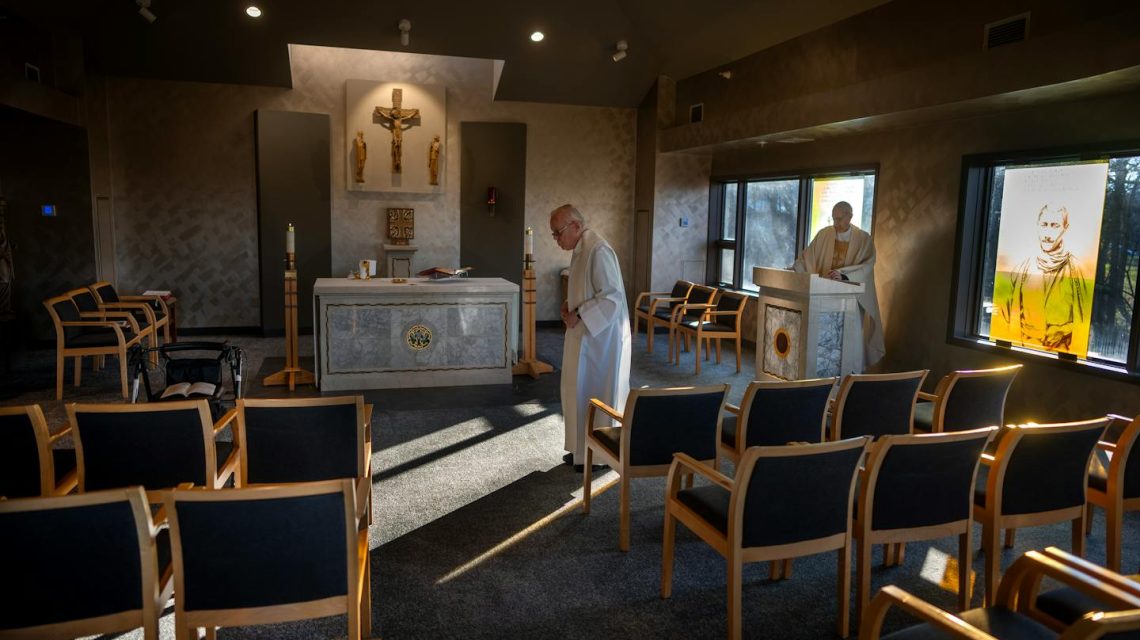
Retired priests like Rev. Tom McDonough find solace and connection in facilities such as the Leo C. Byrne Residence. As he settled into his new apartment in St. Paul, he created a homey environment, which now includes a faux fireplace, to enjoy while mingling with fellow retirees. At 71, McDonough appreciates how this rare living model maintains his ties to the Catholic community and fellow clergy.
Religious organizations in Minnesota are broadening their support for aging clergy. With the increasing retirement of baby boomers, new retirement homes, transitional services, and mental health programs are becoming vital. Clergy typically face more loneliness and depression upon retirement due to the lack of familial support.
A reported increase in the average age of religious leaders from 50 in 2000 to 57 in 2020 underscores the pressing need for these services. Catholic priests, with an even higher average age, face significant changes upon retirement.
The Byrne Residence, part of the St. Paul and Minneapolis Archdiocese’s effort to provide better living options, offers a more connected environment for retired priests. Operating on the University of St. Thomas seminary campus, this 29-unit building includes meals, housekeeping, and laundry services, all for a monthly rent of $1,355.
Mary Beth Sullivan, the archdiocese’s social worker for clergy, assists residents with practical issues related to aging. She helps them with Medicare, medical billing, transportation, and estate planning. Providing support both within and outside the Byrne Residence, she ensures retired priests get the help they need, including health care and legal arrangements.
“Every day can be different for what comes up and what path I go down to help somebody,”
Sullivan shared, emphasizing her commitment to aiding the priests.
Strong camaraderie among the residents facilitates mutual support for tasks like medical appointments or companionship, according to Rev. Pat Hipwell, another Byrne resident. This sense of community complements the practical assistance provided.
Outside Minnesota, programs like ClergyCare, initiated by Marissa Guarino, extend support nationwide. By providing access to preventive health care and mental health resources, ClergyCare helps over 50 active and retired priests in dioceses including Crookston. Ellie Schmitz, a care manager, assists priests with medical appointments and other transitions.
The lack of dedicated residential facilities in some dioceses poses challenges. Schmitz expressed envy of those dioceses with facilities like the Byrne Residence, highlighting the absence in Crookston. The Byrne Residence offers retirees like Rev. Tom Krenik, the freedom to choose their level of involvement in parish activities.
“We have the ability to say yes and no,”
Krenik remarked, appreciating the flexibility in deciding how they engage with ministry.
 The Silence of Women in Tech Regarding Jensen Huang’s Return
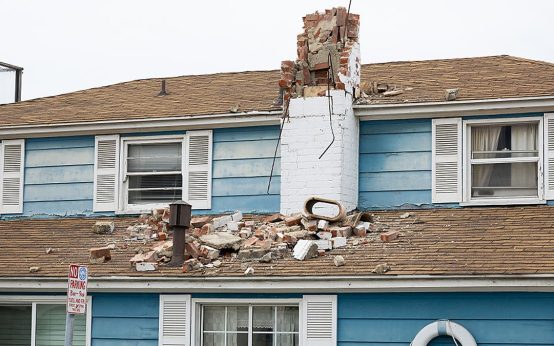 Mother Protects Infant during Los Angeles Earthquake
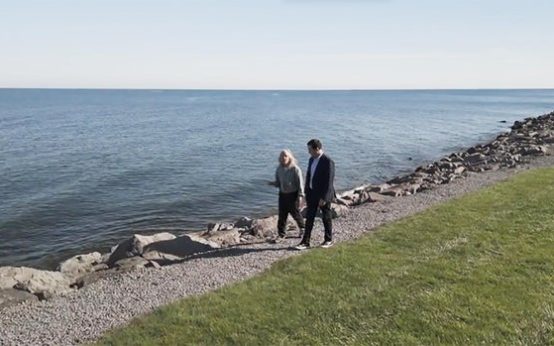 The Controversy Surrounding Lake Ontario’s Renaming
 Opportunities and Challenges in Recent Developments
 Marine Veteran Warns of Threats to Historical Monuments
 Snow Geese Migration: A Majestic Sight on Canadian Prairies