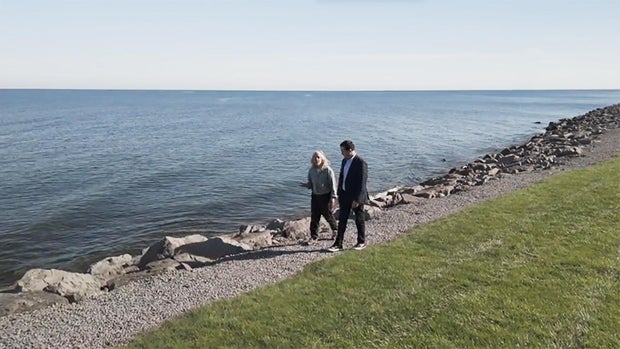
Biologist, sailor, and educator Susan Peterson Gateley has spent her life on the vast Lake Ontario, situated between Canada and the United States. This 7,300-square-mile body of water is vital to the region in New York State. Gateley recognizes its historical, cultural, and economic significance, which she believes many people overlook. Her surprise was palpable when, in August, President Trump announced a plan to rename the lake to ‘Lake America’ via executive order, as part of a trade conflict with Canada.
‘My initial reaction was confusion,’ Gateley expressed, pondering Canada’s perspective on the matter. She noted how Americans and Canadians living near the lake have largely united in their reaction to Trump’s announcement, sharing similar sentiments.
Public reaction has varied, with responses ranging from ambivalence to outrage. Some on the political right have shown support. Cable news commentator Sean Hannity expressed identification with the concept of Lake America. The lake renaming follows other rebranding commitments made by Mr. Trump, who previously announced renaming the Gulf of Mexico to the ‘Gulf of America.’ Yet, naming decisions are complex, involving a federal Board on Geographic Names under the Interior Department, which can follow presidential directions.
Notably, past presidents have also renamed geographic features. In 2015, the designation of Mount McKinley in Alaska was changed to Denali under President Obama, a change later reversed by Trump. In 1991, President George H.W. Bush signed a bill changing Custer Battlefield in Montana to Little Bighorn Battlefield.
Former president of the Seneca Nation, J.C. Seneca, expressed disappointment and offense at the renaming effort. He emphasized that such actions reopen historical wounds. The name ‘Lake Ontario’ dates back to the 1600s, derived from Native languages meaning ‘shining water.’ For Indigenous people, the original name remains significant as they predate the United States and Canada in the area.
Seneca highlighted legal challenges, referencing the Treaty of Canandaigua from 1794. This treaty outlined land rights and dispute resolutions involving the lake. Seneca noted that there was no consultation with him regarding the proposed name change.
The Trump administration defended its authority on renaming, with a spokesperson highlighting the symbolic reflection of American identity. Laura Barraclough, Professor of American Studies at Yale University, points out historical patterns in renaming, tracing back over 400 years.
Explorers like Lewis and Clark also renamed places during their expeditions, adding names to maps based on various influences. Railroads in the 1800s imposed names on land granted by Congress, sometimes inventing fictitious place names in the process.
Some names have been changed to distance from past events, such as Battle Creek, Utah, renamed Pleasant Grove to signify a positive community association.
Barraclough observes that naming is not solely determined by authority. Different groups, communities, and institutions continue to use names meaningful to them despite official designations.
Gateley continues her close relationship with Lake Ontario. To her, the lake is more than just water; it holds a unique identity deserving of respect and recognition as a precious resource. ‘Water is life,’ Gateley states, emphasizing the spiritual aspect of Lake Ontario as an irreplaceable part of her home.
 Netanyahu Faces Setback Amid Unity Government Talks
 The Silence of Women in Tech Regarding Jensen Huang’s Return
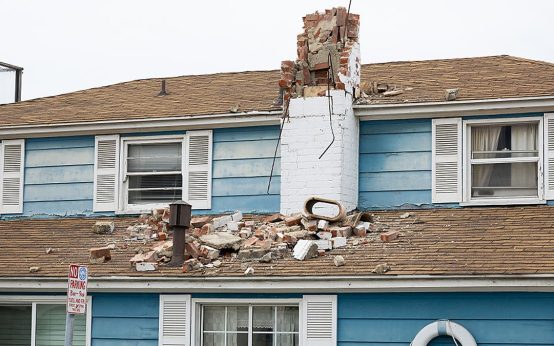 Mother Protects Infant during Los Angeles Earthquake
 Concerns Rise Over Death Sentence of Pakistani Christian Accused of Blasphemy
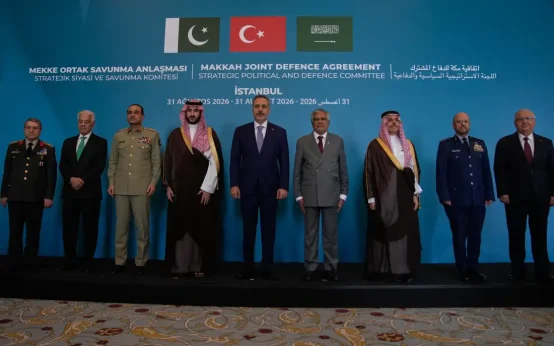 Pakistan to Bolster Saudi Defense Amid Houthi Attacks
 Opportunities and Challenges in Recent Developments