Initial laboratory tests in southeastern Iowa have shown no increase in lead contamination. These tests were conducted on drinking water and lakes following the Army’s controlled detonation of five tons of unstable lead azide. The Environmental Protection Agency (EPA) released this announcement on Saturday, stating that drinking and recreational water samples did not show lead contamination linked to the explosion.
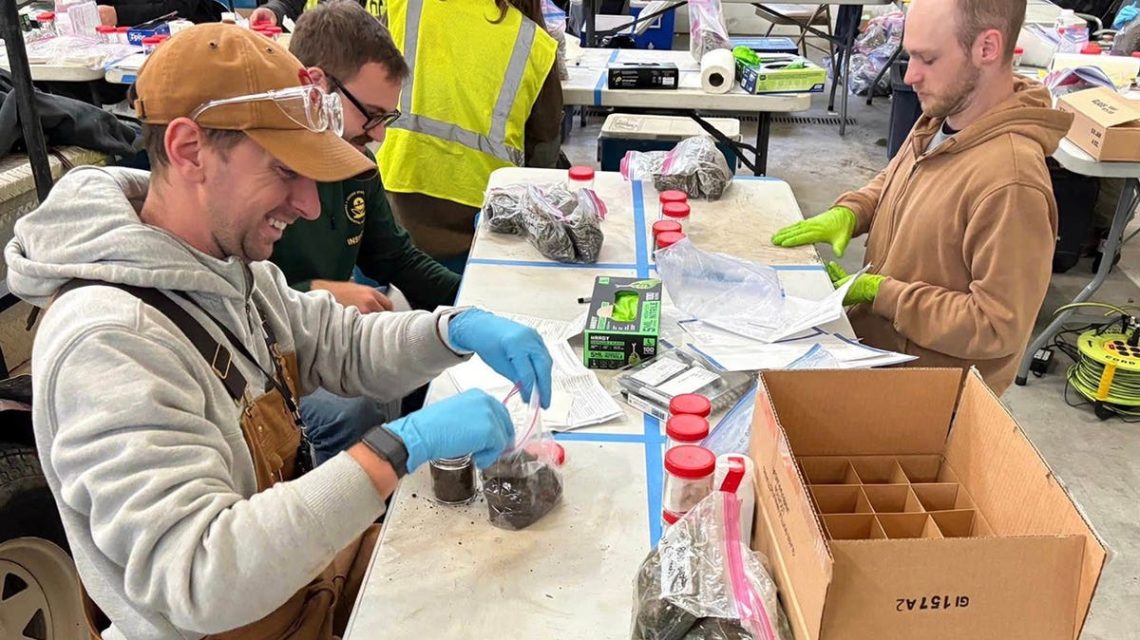
The agency reported testing 38 public drinking water samples and 26 recreational water samples after last Wednesday’s blast at the Iowa Army Ammunition Plant in Middletown. However, many of the 1,616 samples taken from air, tap water, soil, and dust remain untested. This has raised concerns among environmentalists about the completeness of the testing.
Drinking Water Tests and Safety Measures
The tests included untreated intake water and finished treated water, with recreational samples from lakes and ponds. According to the EPA, there were no airborne lead readings for 30 continuous hours after the detonation. Muscatine Mayor Brad Bark expressed cautious optimism, stating these initial results offer reassurance to communities in nearby areas. He emphasized ongoing cooperation with the EPA and other relevant partners.
The Environmental Protection Agency has been working closely with local and state officials. Sharon Kennedy, the on-scene coordinator, and her team have been actively collecting soil samples for further analysis. These efforts aim to ensure the area’s safety and provide comprehensive data regarding contamination levels.
Concerns and Ongoing Investigations
Despite the initial findings, doubts persist. Wally Taylor from the Sierra Club Iowa Chapter highlighted that much is yet unknown. He underscored the possibility of lead spreading near the site and awaits results from the University of Iowa and other institutions. Several environmental groups had earlier sought to delay the permit for the detonation to ensure adequate safety measures.
The Army justified the detonation as an immediate necessity, citing risks of an uncontrolled explosion due to deteriorating materials. However, the event sparked backlash from residents and lawmakers who questioned the adequacy and timeliness of risk communication.
Extensive Sampling and Communication Campaigns
EPA teams and around 300 personnel collected over 3,200 samples before and after the explosion. These samples were taken from public parks, playgrounds, schools, daycares, churches, farms, and sites along the Mississippi watershed. The results are being gradually released at epa.gov/IowaData as they are authenticated. The public is encouraged to stay informed through these updates.
 Understanding Iron Deficiency and How to Address It
 Surge in Stroke Survivors and Costs Predicted by 2050
 A Journey Through Football’s Impact: Jim Musuraca’s Story and the Fight Against CTE
 Short Walking Breaks May Stabilize Blood Sugar Better for Desk Workers
 Navigating Adult-Onset ADHD in Relationships
 Snow Geese Migration: A Majestic Sight on Canadian Prairies