The head of the World Health Organization (WHO) visited Bunia, a city in eastern Congo, which is central to an outbreak of a rare Ebola virus. Despite organized health facilities and new aid, the virus is spreading faster than the response.
WHO Director-General Tedros Adhanom Ghebreyesus visited a treatment center and met with local authorities, health workers, and affected families. “The best way to tackle this is by providing all necessary support to fight the disease at its epicenter and offering every needed assistance,” he stated.
According to WHO, there are 906 suspected cases and 223 suspected deaths. Uganda, Congo’s neighbor, has reported nine cases and one death. The current strain, Bundibugyo virus, lacks an approved treatment or vaccine.
“It’s a challenging situation, but the Democratic Republic of Congo has faced this virus before. We trust it can control this outbreak,” Tedros said after meeting Congo’s Prime Minister Judith Suminwa Tuluka.
Medical aid from the European Union arrived in Ituri, the outbreak’s center. The U.S. pledged $80 million in aid, raising its total support to over $112 million. Bunia’s hospitals have organized additional staff, protective equipment, and medical supplies, though patient inflow remains constant.
Doctors Without Borders (MSF) issued a warning about the unprecedented pace of this outbreak. Dr. Alan Gonzalez of MSF stressed the need for rapid testing expansion, quicker deployment of workers, and sustained medical supply access.
Health workers face danger from resident anger over stringent protocols clashing with local burial rites, leading to three attacks on health centers.
Further complicating the response are attacks in Ituri by the Allied Democratic Forces and ethnic militias. In North and South Kivu, the M23 rebel group reported Ebola cases controlling cities like Goma and Bukavu.
Uganda and Rwanda have closed their borders, and the U.S. banned entry of non-U.S. passport holders who recently visited Congo, Uganda, or South Sudan. Tedros criticized border closures, stating they are ineffective against the outbreak’s spread. “Closing borders discourages transparency. The Democratic Republic of Congo is transparent about the situation,” he emphasized, urging a reconsideration of such measures.
Reported by Banchereau from Dakar, Senegal, with contributions from Saleh Mwanamilongo in Bonn, Germany.
 Early Detection of Atherosclerosis and Heart Disease Prevention
  Church Attendance Linked to Increased Sexual Satisfaction for Married Couples
  Dining with Loved Ones May Benefit Blood Sugar Levels
 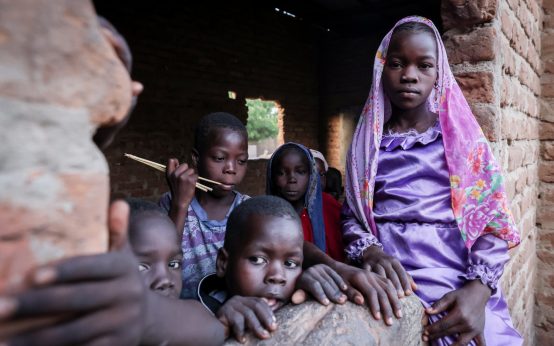 Urgent Need for Action in East Africa’s Food Crisis
  Facing Terminal Illness: Embracing Life’s Moments
  Eating with Partners May Impact Blood Sugar Regulation