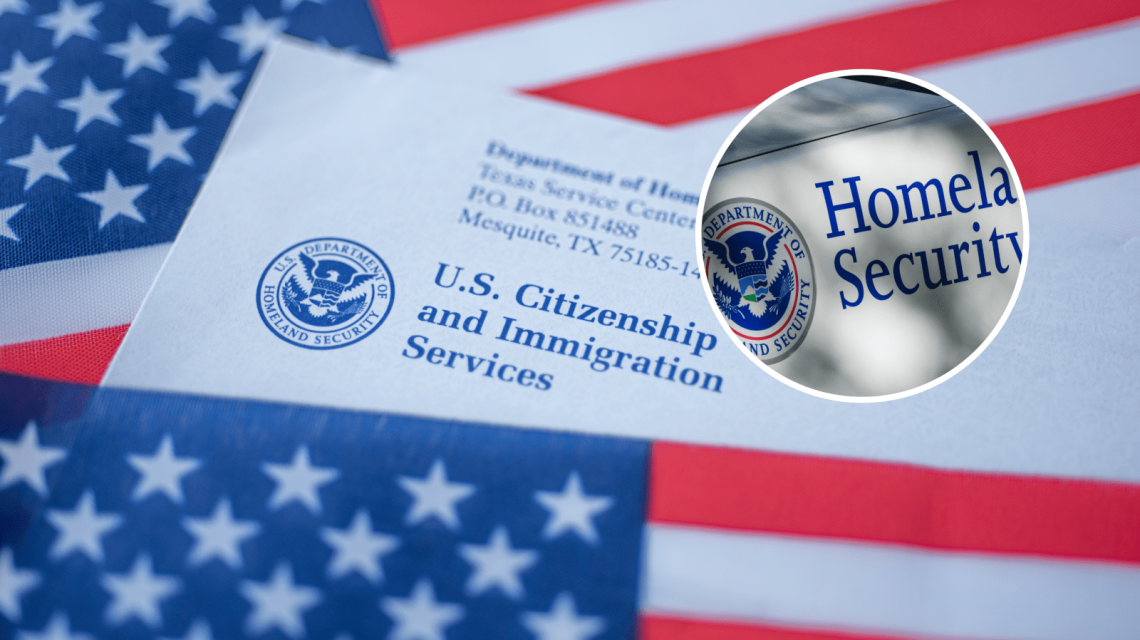
The Department of Homeland Security (DHS) has clarified a recent immigration policy, ensuring most green card applicants can remain in the U.S. while their cases are processed. Previously, a U.S. Citizenship and Immigration Services (USCIS) release implied applicants must return to home countries unless under ‘extraordinary’ circumstances. DHS now states this is not a sweeping policy change but a discretionary decision made case by case by immigration officers.
A DHS spokesperson emphasized that the recent announcement was a reminder of officers’ existing discretionary authority. This statement comes after concerns and misunderstandings arose among applicants, attorneys, and businesses about potential changes disrupting the traditional immigration process.
DHS Clarifies Policy
According to DHS, the initial announcement was not a major shift but a restatement of longstanding authority. Officers have always had the discretion to require applicants to complete their process abroad on a case-by-case basis. However, confusion persists as the criteria for requiring applicants to leave remain undefined, leaving judgment largely with individual officers.
Some groups, particularly those with visa overstays or from countries with higher public assistance use, may face additional scrutiny. Yet concrete criteria have not been established.
Mixed Reactions Create Confusion
The immigration sector has seen mixed interpretations of the policy, with various reports on its application. Lawyers have shared experiences of inconsistency. Elissa Taub from Siskind Susser noted ‘conflicting’ accounts, while Angelo Paparelli from Vialto Law reported applicants being questioned on their choice not to apply abroad initially. This inconsistency complicates advising clients and poses challenges for potential legal actions.
Implications for Legal Immigrants
Many immigrants depend on the ‘adjustment of status’ process, allowing them to apply for residency without leaving the U.S. Last week’s news cast doubt on this route, particularly impacting family-based applicants, who constitute a large portion of green card recipients. With decisions now largely in individual officers’ hands, the impact could vary significantly, affecting some nationalities more than others.
Concerns from Business Groups
Business leaders expressed concerns about potential disruptions. Neil Bradley from the U.S. Chamber of Commerce highlighted possible challenges for employers, advocating for a ‘more robust’ legal immigration system. The uncertainty surrounding the policy could complicate legal resistance, making it harder to define the terms of any legal challenge.
 DOJ’s Anti-Fraud Task Force Targets Medicaid Fraud in Pennsylvania
  Cuban American Advocates for Democratic Socialism in Miami
  Controversial Influencer Brandon Herrera Gains Support in Texas Race
  Democratic Debate Amplified by Woke 1 Era Discussions
  Democrats Face Election Challenges in Florida Primaries
  Debate Over Transgender Athletes in Women’s Sports Heats Up