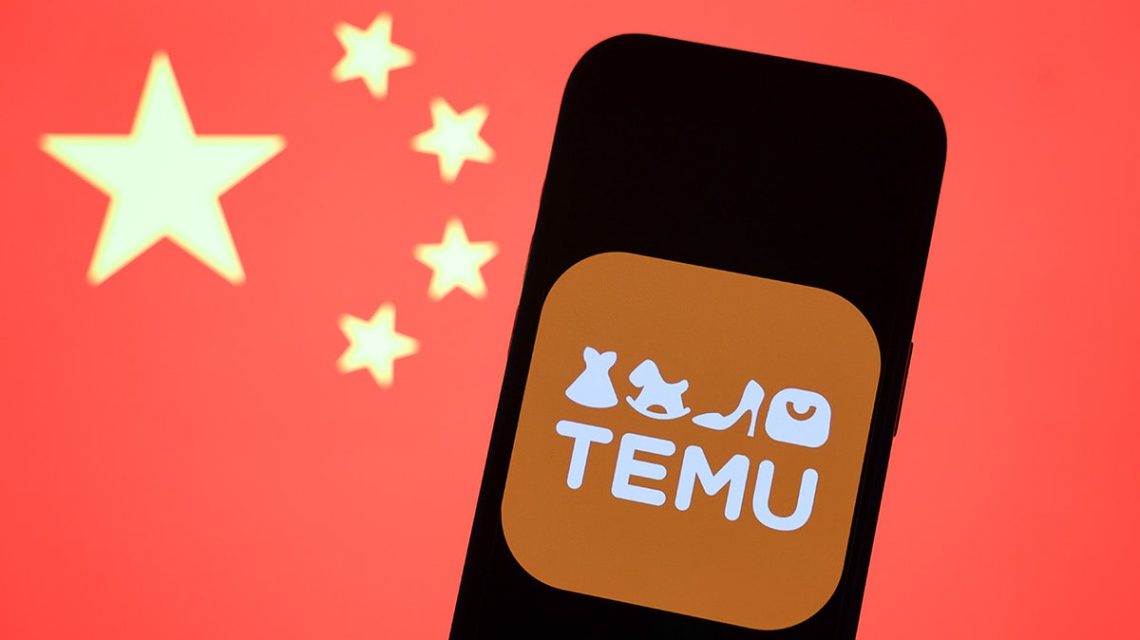
The FBI has issued a new alert concerning the potential risks of data collection from foreign-developed mobile apps. This warning highlights the possibility that Americans’ personal information could be collected and stored overseas, even if they have not personally downloaded foreign apps.
Your name, email address, or phone number might be accessed from someone else’s contact list if a friend or family member allows an app access to their device. These data could end up stored abroad.
Past concerns about TikTok’s links to China have now broadened. The latest FBI notification indicates that multiple foreign-developed apps could pose similar risks.
Many widely used apps developed overseas, especially those linked to China, may access extensive data once permissions are granted. This includes address books containing information on users and non-users alike.
The FBI’s public service announcement emphasizes that apps may continue collecting data even after access is granted. This data could be stored in locations where local laws might permit government access.
Specific companies were not named, but apps like CapCut, Temu, SHEIN, and Lemon8 — predominantly developed by Chinese firms — could be involved. These apps are popular and frequently downloaded in the United States.
U.S. officials have long expressed worries that data from Chinese-linked platforms might help create detailed profiles of Americans. This information could be used to map personal and professional networks and potentially support intelligence-gathering, especially if accessed under China’s national security laws.
The FBI’s announcement suggests vigilance for unusual app behavior, like excessive battery drain, unexpected data usage spikes, or unauthorized account activity. These could be signs of background data collection or suspicious actions.
Users are advised to limit unnecessary data sharing. Download apps only from official app stores and review permissions regularly. Caution is recommended against third-party app sources, which could contain malware aiming to access personal data unlawfully.
Although the TikTok situation led to its Chinese parent company giving up control to an American-led group, the FBI warns that risks still extend beyond one platform to various foreign-developed apps.
The Chinese embassy has not provided comments on this issue yet.
 Meta’s Muse AI Assistant Sparks Cybersecurity Concerns
  Keurig Dr Pepper Launches Compostable Coffee Pods to Reduce Waste
  Minneapolis Council Member Faces Criticism Over Autonomous Vehicle Concerns
  Washington’s Reaction to Trump’s AI Self-Regulation Accord and Technology Updates from The Hill
  Unraveling the RatHat Android Malware Threat
  AI Accountability: The Need for Clear Liability Standards