Your cherished jeans have likely traveled extensively from cotton fields to your closet, visiting dye houses, wash facilities, and factories along the way. Although unworn, these jeans may appear aged through stonewashing, sanding, chemical fading, or laser treatment. These processes demand significant water, energy, and chemicals, drawing attention to denim’s environmental impact in the fashion industry, one of the major producers of greenhouse gas emissions.
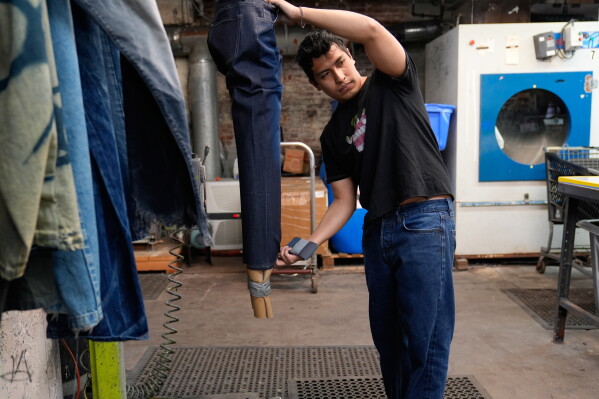
Brands are addressing growing awareness by marketing jeans as ‘sustainable,’ using regenerative cotton, recycled fibers, and water-saving techniques. However, determining authenticity is complex since sustainability lacks a universal definition. At BPD Washhouse in Jersey City, NJ, Bryan Morales Ibarra manually distresses denim using ozone instead of traditional methods.
Recently, Shein, a major fast-fashion company, acquired Everlane, known for its transparency and sustainability, highlighting tensions between scale and affordability. Sustainable processes are costly, creating challenges for fast production and low-price companies. Consumers face tradeoffs concerning farming, chemicals, labor ethics, and pricing.
Cotton Farming: A Critical Start
Most jeans use cotton, which demands water, fertilizer, and pesticides. Beth Jensen from the nonprofit Textile Exchange notes that many brands lack full insight into cotton sourcing. Denim production spans countries and suppliers, complicating labor condition tracking.
Concern over fashion’s environmental impact has led some brands to seek regenerative cotton solutions focusing on soil health and reduced chemical use. Jensen highlights that feasibility varies with climate, such as differences between California and India or Australia.
Intensive Denim Production
After harvesting cotton, it’s spun into yarn, dyed, woven into denim, and then cut and sewn into jeans. Finishing treatments create various shades and textures. Bill Curtin at BPD Washhouse explains denim finishing involves ‘wet’ and ‘dry’ processes. The wet process uses water, chemicals, and treatments to tint denim, while dry processes create abrasions and details manually or with lasers, which are efficient and less labor-intensive.
Stretchy jeans may include fossil fuel-derived synthetics like polyester or elastane, which shed microplastics over time.
Sustainable Denim Challenges
Fashion designer Maria McManus aspired to incorporate denim into her low-impact line but initially struggled due to invasive washing processes. Opting for minimal processing, she sourced raw denim from Japan, avoiding the common faded look. Eventually, a collaboration with Agolde, part of Citizens of Humanity, facilitated access to regenerative farming and safer dyeing and supply chain verification.
Yet, organic and regenerative cotton crops can fail, complicating verification. McManus stresses trust in suppliers, recognizing honest challenges. Higher costs result from small production runs, with jeans from her brand priced around $700.
Selecting Sustainable Denim
Experts recommend skepticism of vague sustainability claims, urging consumers to seek brands detailing their processes and labor rights. Dana Davis advises examining brands’ broader sustainability efforts, not just capsule collections, and warns of misleading ‘greenwashing.’
Certifications can be informative. The B Corp certification assesses social and environmental performance, while the Forest Stewardship Council (FSC) verifies responsible sourcing of materials like lyocell. One practical approach to lowering denim’s environmental impact is to buy fewer jeans, prolong their use, and shop secondhand.
Levi Strauss & Co.’s life cycle assessment suggests that if 34.2 million people bought used jeans instead of new, it would save about 1.5 billion pounds of carbon dioxide emissions, akin to the emissions of 150,000 gasoline cars.
The most sustainable action, as Jensen points out, is to use existing products for as long as possible.
 Effective Skincare Routine for Men with Particle Moisturizer
  Rising Trend: Solo Travel Gains Popularity
  Prepare for Rainy Fall Weather with Discounted Rain Jackets
  Review: Stokke Nighti 3-in-1 Convertible Cot Bed
  Embrace Failure: Turning Setbacks into Success
  Unusual In-Flight Behavior Leaves Passengers Stunned