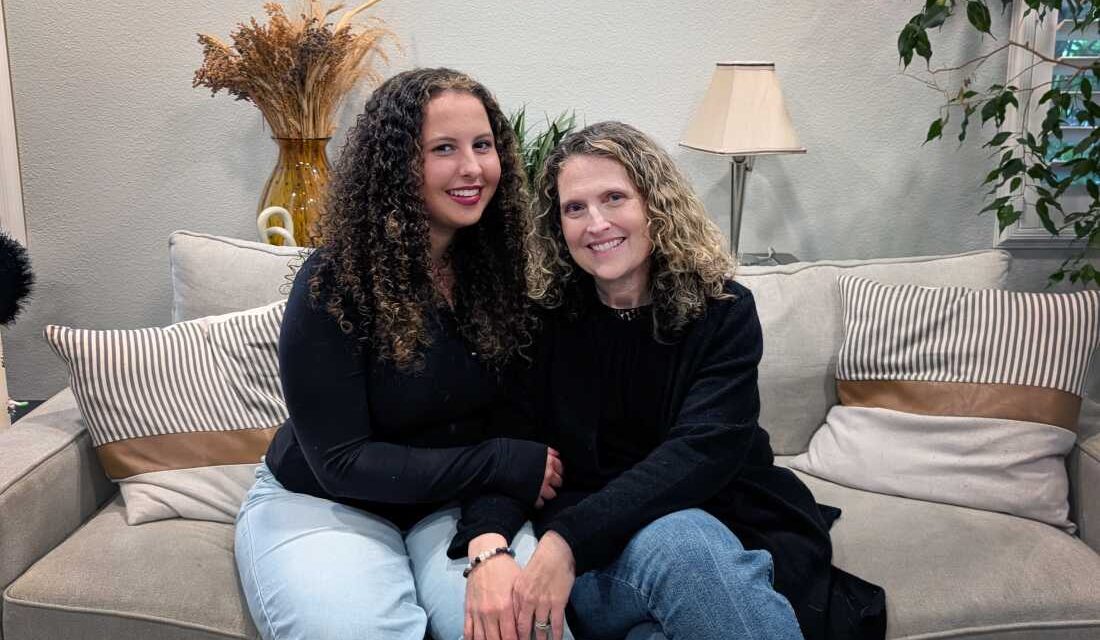
Ninth grader Soraya Martin, despite having dyslexia, excels at school using her cellphone and other technologies. Her mother, Heather Martin, expresses concern that students with disabilities are often overlooked in school screen bans.
The Challenges and Solutions for Soraya Martin
Soraya is a creative writer who struggles with reading and writing due to dyslexia. Academic challenges have been significant for her. However, technology has provided substantial help. Using devices that allow dictation and auditory book listening, she overcomes these hurdles.
Speech-to-text features on her school laptop have enabled Soraya to focus more on creative expression rather than spelling accuracy. This has led to improved grades and bolstered her confidence.
“I can do school and I can be good at it,” says Soraya.
Her mother sees screens as crucial tools for students like Soraya, particularly in the context of a nationwide push against screens in schools.
The National Debate on Screen Use in Schools
Screens face increasing criticism for hindering student learning. Over 30 states have banned cellphones, with some proposing broader restrictions on laptops and tablets. The U.S. Department of Health and Human Services recently warned about screens’ health impacts on children.
Heather Martin, from Concord, California, acknowledges the concerns but highlights a lack of discussion about students with disabilities. Advocates agree, noting that these students often rely on technology for academic success.
Policy Concerns for Students with Disabilities
Students with disabilities constitute a growing demographic, exceeding 8 million. Many depend on assistive technology for various educational tasks, from note-taking to reading.
Laws in states like Alabama and Utah limit screens, with exceptions for assistive technology. While acknowledged, these exceptions are considered minimal. Lindsay Jones, CEO of CAST, believes that rapidly moving policies can be too broad and overlook disabled students’ needs.
Jones suggests that a more inclusive policymaking process involving the disabled community could better protect their rights.
Consequences of Screen Bans
Soraya’s school enforced a phone lock policy, which raised concerns for her mother about a broader screen ban. Heather Martin argues that screens serve as accessibility tools for some students.
Soraya dislikes the phone lock system, feeling it impedes her ability to respond quickly during emergencies. Her phone is vital for her Individualized Education Program (IEP) accommodations, but school staff adaptation to the new ban has been slow.
This scenario exemplifies the “unintended consequences” Jones foresees with increasing school technology restrictions.
The Role of Universal Design for Learning
Intentional technology use can create flexible learning environments beneficial for students with disabilities. CAST’s Universal Design for Learning framework encourages diverse educational approaches to accommodate different learning styles.
Educators could, for example, use multiple teaching resources—such as videos or e-books—to cater to various needs in the classroom.
Hope for Inclusive Policy Development
Jones stresses the need for input from educators, people with disabilities, and assistive technology providers when implementing such policies. This collaborative approach aims to achieve educational goals while respecting rights.
For Soraya, assistive tools have transformed her learning experience, allowing her to explore her unique perspective on dyslexia. Not only has she achieved straight As, but she also gained a deeper understanding and confidence in her abilities.
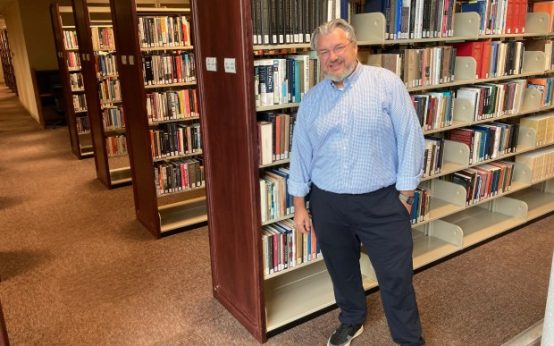 Troy Swanson: Award-Winning Librarian Transforming Academic Libraries
 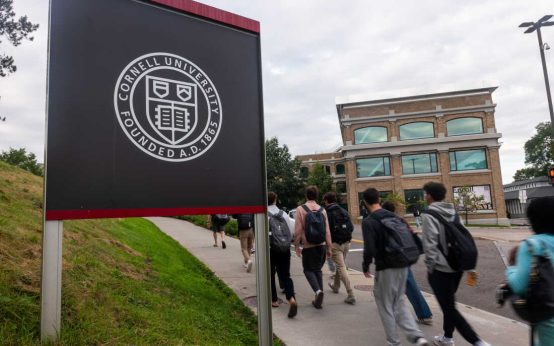 Cornell University to Investigate Handling of Alleged Assault Case
  Legal Challenge Against School Funding Inequalities in West Virginia
  Potential Changes Loom for School Voucher Programs
  Regents Exam Elimination Raises Concerns Over Student and School Accountability
  Education Funding Disparities in West Virginia