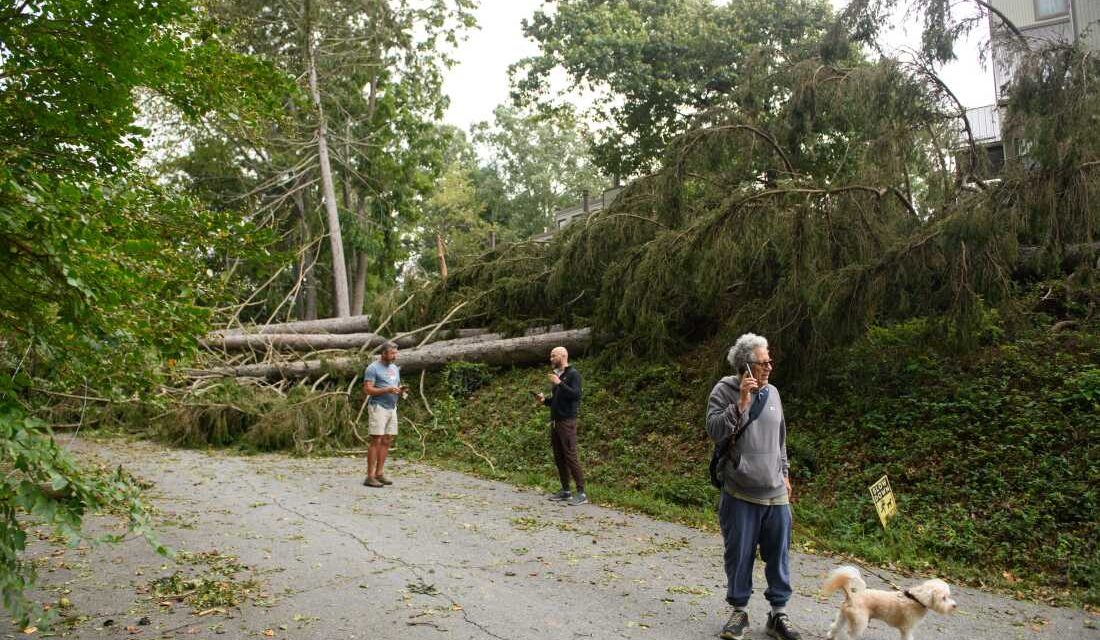
Residents in Asheville, North Carolina grapple with the aftermath of Hurricane Helene’s devastation. Anthony Leone and his wife, Corinne Saunders, are veterans of hurricane season, living for over 20 years in North Carolina’s Outer Banks. They prepare by filling coolers and using generators, intentionally limiting cell phone use during power outages.
Hurricane season spans from June to November. Despite a national forecast of below-normal activity from the National Weather Service, the risk of a severe storm looms. Cellular networks often falter during these storms, prompting carriers to invest in advanced technology to maintain connection.
Innovations in Disaster Preparation
Verizon Wireless initiates storm responses a week in advance. Drones capture aerial views of coverage areas pre- and post-storm. AI technology pinpoints damage locations, streamlining repair processes. Mobile units, like “cell on wheels” and drones, ensure network service continuity. These advancements reduce downtime substantially.
AT&T, too, prepares extensively. Its disaster response fleet, consisting of boats and helicopters, navigates difficult terrains, facilitating equipment delivery. The company, adapting to overlapping weather seasons, has amalgamated disaster response teams to bolster public safety strategies.
T-Mobile’s disaster strategy begins months before anticipated events. During outages, customers receive free satellite service. AI adjusts antennas and optimizes battery usage, extending service availability. As connectivity remains essential, customers prioritize operational smartphones over electricity, emphasizing communication needs during emergencies.
User Experiences with Network Services
Leone recounts mixed experiences with various carriers over time. Ultimately, he finds AT&T reliable amidst hurricanes, experiencing minimal service disruptions. First responders’ service needs are fundamental, as networks tailor operations to prioritizing emergency personnel communications.
Peter Antevy, directing several Florida fire departments, emphasizes the criticality of cellular data in supporting telemedicine and 911 communications. Network representatives actively participate in strategy meetings, ensuring efficient disaster response planning.
Amy Weber from Texas’s Galveston County Health District acknowledges carrier presence in emergency strategy discussions, recognizing the prioritization of first responder communications as instrumental to operations.
Meanwhile, Jackie Santillan, a student in Houston suburbs, remains skeptical. Despite provider changes, she struggles with signal issues, amplified by storm anxiety. Her efforts to improve local connectivity have led to a petition for a new cell tower. T-Mobile commits to enhancing network resilience, focusing efforts on underserved areas and expanding 5G infrastructure nationally.
Continuous investment in network fortification remains paramount. As technology evolves, maintaining connections during natural disasters remains integral for safety and communication.
 Challenges in Managing Advanced AI Models
  The Risky Foundations of AI’s Economic Impact
  Tennessee Prison Chief Resigns After Botched Execution
  The Measure of Friendship
  A Honeymoon Safari Turns Into a Fight for Survival
  White House Announces Medicare-Linked Payments for Seniors