
American higher education faces significant challenges. A recent survey highlights a 30% gap between what college students expect to earn and their actual starting salaries. The average anticipated income is $80,000 per year, but most graduates begin around $56,000.
Rising Unemployment and Underemployment
College graduates experience a 5.6% unemployment rate, which surpasses the national average. Over 40% are underemployed, working in positions that don’t require a degree.
“Graduates expecting to earn $80,000 are confronted with a very different reality.” — Business Owner
Shifting Job Market Demands
The traditional belief that a degree guarantees a high-paying job is under pressure. Artificial intelligence is reshaping the job landscape, taking over roles that once provided entry-level career opportunities for graduates. Employers now look for practical skills and even AI proficiency.
Approximately 35% of employers expect candidates to have AI-related skills, yet colleges often fall short in preparing students adequately.
Alternative Paths to Success
Many rewarding careers don’t require four-year degrees. Jobs like electricians, HVAC technicians, and welders can offer six-figure incomes with less debt and quicker paths to employment.
Purposeful Education and Employment
Higher education remains valuable for certain professions, such as engineering and medicine. However, this value is dependent on pairing education with marketable skills. Students and parents need to consider which problems they can solve that provide real-world value.
“Degrees don’t solve problems. People do.” — Business Leader
Cultivating Competitive Skills
Graduates should focus on valuable skills like communication, relationship building, and technological proficiency. These abilities are critical across industries and safeguard careers against economic and technological shifts.
While a degree might open a door, the key to success is how one navigates through opportunities beyond it.
 Troy Swanson: Award-Winning Librarian Transforming Academic Libraries
 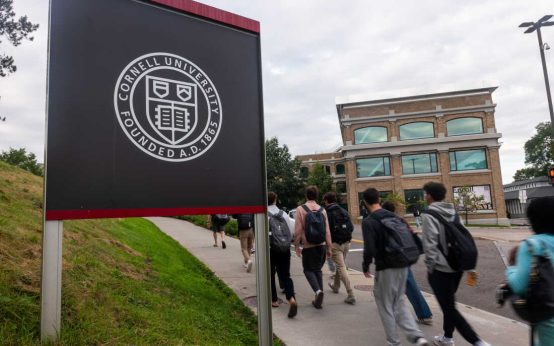 Cornell University to Investigate Handling of Alleged Assault Case
  Legal Challenge Against School Funding Inequalities in West Virginia
  Potential Changes Loom for School Voucher Programs
  Regents Exam Elimination Raises Concerns Over Student and School Accountability
  Education Funding Disparities in West Virginia