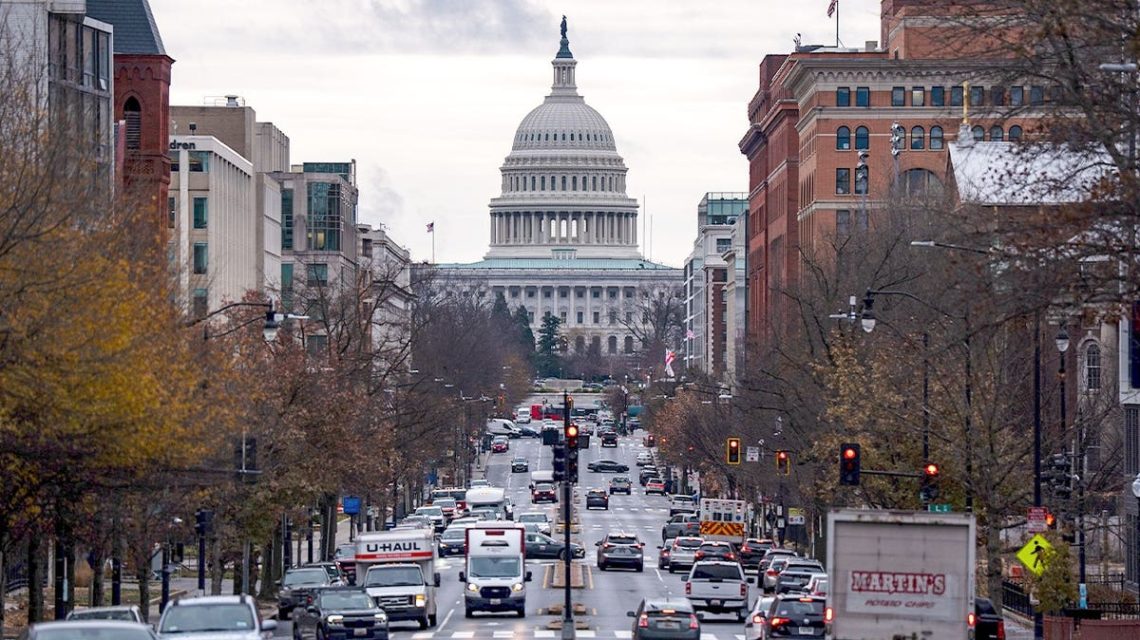
As fall begins this year, Congress isn’t facing the usual chaos of an impending government shutdown. Typically, the federal government operates on funding that expires on September 30, coinciding with the fiscal year’s end. However, lawmakers solved this financial puzzle early, making for a quieter start to fall.
Instead of dealing with a shutdown’s turmoil, people are enjoying traditional autumn activities. But Congress isn’t exactly experiencing relaxation. Political tensions usually boil over at this time as they face tough decisions. Yet, this year differs without the looming threat of a shutdown.
No Imminent Shutdown
This year, there’s no shutdown looming, which is a relief compared to last year when a 43-day shutdown lingered into mid-November. Current funding extends through December 11, giving members of Congress time to engage in fall activities.
Before the midterms, lawmakers are hesitant to revisit last year’s lengthy shutdown. They’re willing to debate spending but plan to postpone major decisions until after the elections. However, a shutdown in December remains a possibility.
Spending After the Midterms
If Democrats gain control of either or both congressional chambers, Republicans might rush to approve a long-term funding plan before transitioning power. They prefer avoiding an interim bill that might delay decisions into next year.
On the contrary, if Democrats gain influence, they would argue that voters have validated their stance and push for a temporary funding bill to debate spending with President Trump at the start of 2027.
President Trump will still be in office by January, and this dynamic could trigger a shutdown next year or even in December. The Senate requires 60 votes to advance past a filibuster, complicating the process for Republicans. They might explore bipartisan cooperation, but substantial Democrat support is necessary and uncertain.
Challenges in the Senate
The Senate grappled with similar issues during the 2025 shutdown. While the House managed to pass a spending bill, Senate Republicans couldn’t bypass the filibuster hurdle. Such challenges might resurface in December as both parties position themselves for the next session.
If Democrats don’t secure the Senate, intra-party debates might arise over leadership roles. Questions surround the future roles of key Republicans and Democrats in Congress.
Looking Ahead
As fall proceeds, activities like pumpkin picking and enjoying seasonal beverages offer a respite before the political storm expected post-election. Key spending decisions and leadership changes loom in the background, promising substantial fall debates once the midterms conclude.
 The Trump Team’s Challenge to the Military Leadership
  Maryland First State to Restrict Electronic Pricing in Grocery Stores
  Activists Push for Nationwide Ban on Child Marriage in the U.S.
  Democratic Hopes and Historical Warnings in 2026 Senate Race
  Republicans Face Challenges Amidst Cost of Living Concerns
  Cornel West and Sean Hannity Discuss Differences on Podcast