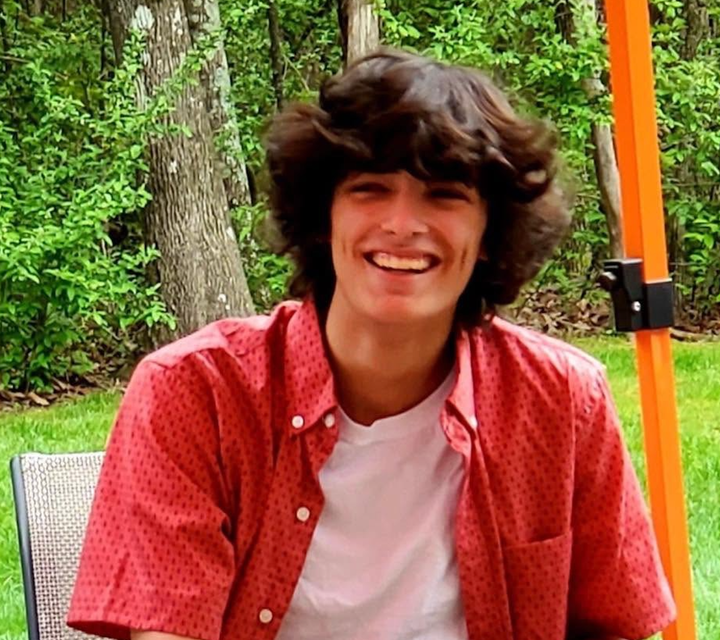
I grew up with a mindset shared by many men of my generation: tough it out, don’t show weakness, men don’t cry. Mental health wasn’t something I discussed or understood. This changed drastically when my oldest son, Gavin, died by suicide after falling victim to an online sextortion scam. This devastating loss forced me onto an unexpected journey.
The Burden of Grief
Gavin was only 17. As a father, the urge to protect your family is strong. Losing my son felt not only like the greatest tragedy but also a failure to protect my family. The weight was immense. I began to experience post-traumatic stress and anxiety, learning how deep and overwhelming they could be. Coping meant finding ways to move forward, even as the grief remained.
Looking back, I recognize that my body was sending signals early on. Exercise was often my response to anxiety or anger. Gavin had his own outlet. When anxious, he would skate to clear his mind. One night, we walked laps around the airport, not realizing that movement helped us process our emotions. I learned the concept of ‘create motion to change an emotion’ from Gavin and a poignant experience with my younger son.
A Family Tradition
Our family has a tradition of burying our own, which I didn’t fully understand until Gavin’s funeral. It was a blistering August day in South Carolina. My young sons and I approached Gavin’s gravesite with shovels. Callahan, my 4-year-old, was hesitant. I knelt beside him to explain our tradition. Despite his tears, he joined us. He buried his brother with a fervor I admired.
Callahan worked tirelessly. When his face, streaked with tears and dirt, turned to me, I asked if he was okay. He replied, “It helped get the yucky out.” His words captured a profound truth about grief and motion.
The Healing Power of Movement
“To change an emotion, you must create motion.” – A powerful lesson learned.
Science supports the instinct that Callahan followed. The National Institutes of Health states that physical activity reduces anxiety and lowers depression risk while improving sleep. Movement can mean various activities like walking, cycling, or simply feeling the sun outside. It’s a tool, not a cure. It complements therapy and medication when needed. Asking for help is also a vital movement.
I now share this with teenagers, reminding them that movement can help address rising anxiety. Our culture often teaches men and boys to hide pain and equates silence with strength. I have learned otherwise. Real strength lies in recognizing inner struggles and responding healthily. Whether it’s talking, seeking help, or moving when standing still feels too heavy.
Beside my son’s grave, my young son taught me significant lessons about coping. Movement can help when words fail, and sometimes it makes the weight of grief lighter. Motion can help enough to reach another day because tomorrow is worth it.
Advocacy and Legacy
Brandon Guffey, a South Carolina politician and a representative in the state legislature, became a national advocate for child online safety after his son’s death. He championed ‘Gavin’s Law,’ legislation that criminalizes sextortion and mandates cyber-safety education. His ongoing advocacy efforts aim to protect children through legislation and his foundation.
 Stephen Hawking’s Complex Personal and Professional Life
 Immersion in French Culture at Ascension Catholic School
 Old MacDonald’s Farm in Humble, Texas, Closing After 34 Years
 Lee McFarlane’s Remarkable Hole-in-One Journey Continues
 Advice for Concerned Grandparents
 Efforts to Counter Food Assistance Cutbacks in San Diego