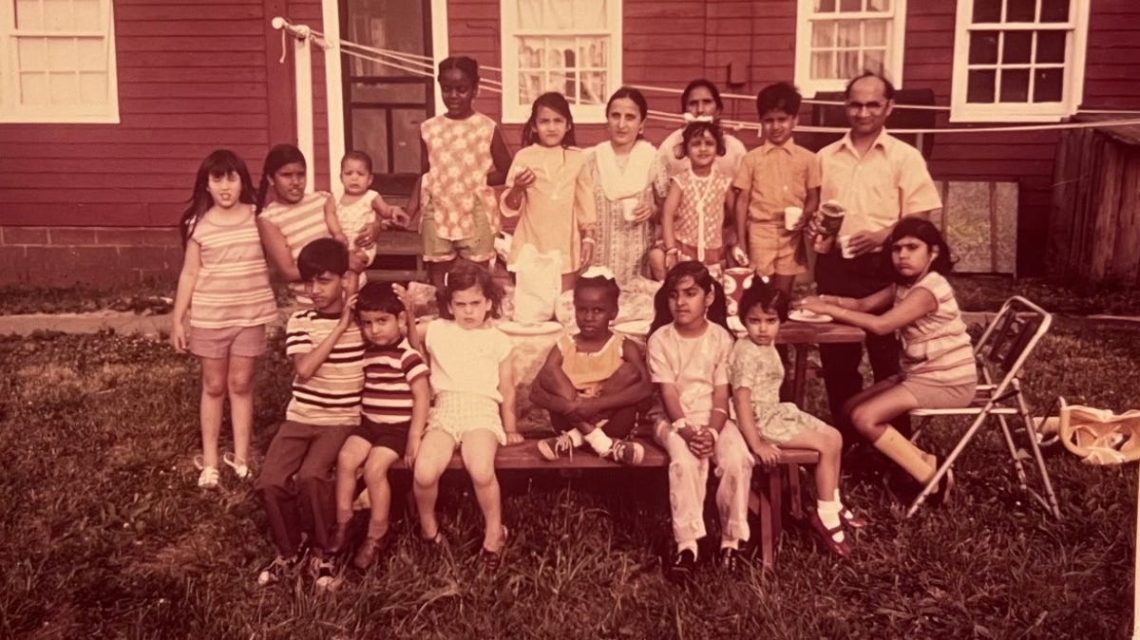
Zafar Nomani, born in India in 1933, exemplified a philosophy centered around gratitude. He imparted to his daughter the sacred joy found in hard work, whether it was planting a single flower or undertaking everyday tasks.
In 1962, Zafar Nomani was a visiting teacher at Kansas State University. During a ride near a church car wash, he saw his professor scrubbing cars alongside students. This experience was pivotal for him.
I saw the dignity of labor,
he would often say. As his family mourns his passing at 93 years of age, his daughter reflects on the impact of his philosophy.
Throughout her life, the daughter thought she was challenging the patriarchy. She now realizes that her investigative journalist career was a result of the patriarchal influence in her life.
Living a Philosophy of Gratitude: ‘I Get To…’
Arriving in America in 1969, she grew up during a transformative time for women’s rights. Despite advocating for empowerment, she now understands her father’s role in fostering her independence.
The father’s philosophy was rooted in gratitude. Rather than focusing on what had to be done, he embraced life’s opportunities with ‘I get to…’ work, study, and care for his family.
Warming Hands
Zafar Nomani survived significant historical adversities, including the Bengal famine and experiencing food aid lines. His response to challenges was centered around gratitude.
After marrying in 1962, his philosophy led to seeing labor as a service to humanity. His quiet dedication helped his family through hard times and empowered his daughter’s growth.
Driving to Opportunities
A significant part of his labor involved driving his family to opportunities and ensuring their growth. He supported his family’s aspirations and celebrated their achievements.
Building a Baby’s Room: ‘Life is multivariate’
His scientist mindset helped him approach life’s challenges pragmatically. When faced with adversity, he focused on practical solutions rooted in love and service.
Pioneering as a Girl Dad
His support extended to standing against traditional norms in their community. He advocated for women’s rights and helped create opportunities for his family.
Planting Flowers: ‘Thank you’
Love and service were expressed through everyday actions, including nurturing and empowering his family. Even during illness, he practiced gratitude.
In his absence, the family carries forward the lesson of unconditional love and service. His legacy continues through their acts of service to the family and broader world.
 The Quest for the Knuckleball Dream
  Navigating Grief After a Sibling’s Overdose
  Tragedy and Immigration: The Impact on a Family
  The Journey of a Fox News Correspondent: From Infectious Diseases to On-Air Reporting and Beyond
  Midwest Underground Railroad Network Gains National Recognition
  Journalist Jodie T. Allen Passes Away at 88