
Aaron Sorkin’s new film, The Social Reckoning, offers a provocative portrayal of Mark Zuckerberg and Facebook. The movie acts as a follow-up to 2010’s The Social Network and is based on the ‘Facebook Papers’. These papers, revealed by whistleblower Frances Haugen, highlighted that Facebook was aware of its potentially harmful effects, especially on teenage girls using Instagram.
Sorkin, known for his liberal stance, criticizes Facebook’s influence and accuses the platform of distorting the truth. In 2019, Sorkin expressed these views in an open letter to Zuckerberg published by The New York Times. He portrays Zuckerberg as a villain in his upcoming film. However, this portrayal may not align with audience perceptions.
Jeremy Strong, playing Zuckerberg, delivers a speech defending free speech on social media. The audience may find themselves agreeing with his points, appreciating a less regulated internet where users determine truth. Strong’s portrayal suggests that heavy moderation by platforms, including Facebook’s past efforts with progressive fact-checkers, sometimes stifles legitimate political discourse.
This push for less oversight is evident among social media companies, who now often let users engage in open discussions without excessive moderation. Sorkin’s narrative may not resonate widely, as many favor technological advancement and fewer restrictions.
The relevance of tech in modern life shines even further during events like a data-themed party titled “Data after Dark”. Participants celebrated the potential of data centers and AI. Despite interruptions by critics concerned about issues such as water usage, attendees remained enthusiastic about a future driven by technology.
As perceptions evolve, skepticism around technological developments, akin to concerns over Facebook’s impact, seems unfounded. More people recognize the benefits of tech innovations. The challenge remains in addressing critics who believe control and shutdowns would serve the public better. Yet, the future promises progress and innovation amidst dissent.
Robby Soave, co-host of The Hill’s show Rising and senior editor at Reason Magazine, shares these insights. The edited commentary reflects his views on free speech and technology regulation.
 Senate Democrats Block Data Center Bill Over Efficiency Concerns
  Future Cities: Ambitious Projects Aiming for Innovation and Sustainability
 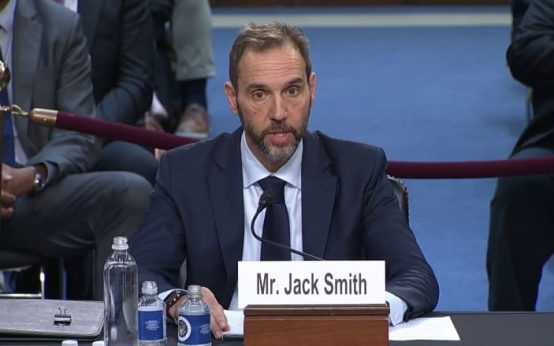 High-Profile Hearing and AI Developments: Key Political Moves
 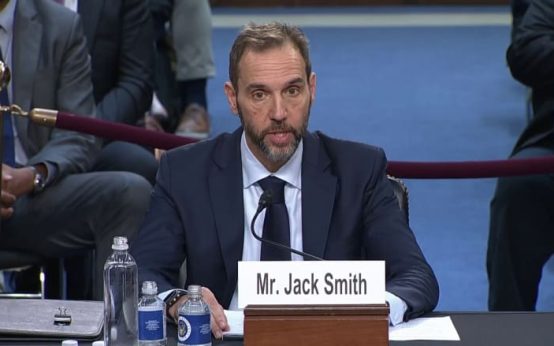 Key Events in Today’s Discussions Involving Jack Smith and President Trump
 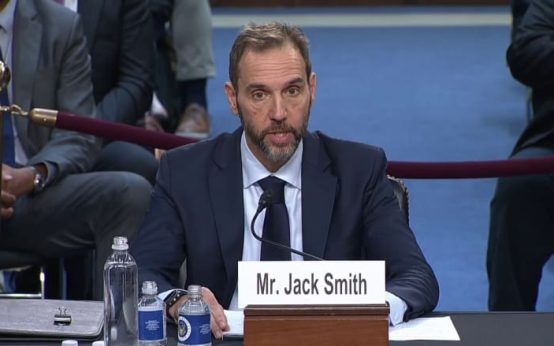 Jack Smith Faces Scrutiny Amid Investigations into Trump
  White House to Promote AI Benefits Amidst Security Concerns