In 2005, I listened to a violin player near Pershing Square and later followed him to his Skid Row residence. Since then, I’ve monitored mayoral promises regarding homelessness in Los Angeles. Past mayors like Antonio Villaraigosa, Eric Garcetti, and Karen Bass have all vowed to tackle this issue, investing significantly in efforts to alter lives. However, the homelessness crisis persists, with over 40,000 people affected in the city.
This scenario sets the stage for Mayor-elect Nithya Raman, who intents to achieve what predecessors have not. While homelessness declined notably in Raman’s council district, the city’s overall numbers increased slightly. Her campaign targeted the previous Bass strategy, labeling it costly and ineffective.
Raman promises, “When I’m mayor, we’ll cut tents and encampments in half by the Olympics, and bring everyone indoors by the end of my first term.” These ambitious claims evoke skepticism due to previous unfulfilled promises by other leaders. In 2006, Villaraigosa pledged a ten-year plan to end homelessness. Garcetti aimed at ending chronic homelessness, and Bass sought to eliminate street homelessness by her term’s end.
The repeated cycle of stretched promises fuels public cynicism. Significant progress, not miraculous solutions, is desired. Homelessness results from complex issues like economic disparity, high housing costs, and untreated mental illness. Solving it requires cooperation among federal, state, and local entities.
Despite the challenges, past investments yielded minimal outcomes. Bass’ Inside Safe program moved 6,000 individuals to temporary housing, but by May, 41% had returned to homelessness at a $300 million cost. Raman plans to replace it with rental vouchers, asserting lower costs and higher effectiveness. Her approach includes financial audits, Medi-Cal funded healthcare teams, shared housing investments, and thorough monitoring of homelessness spending.
Implementing plans is challenging amid City Hall’s bureaucratic complexities. Raman faces disagreements from council members who previously supported Bass. However, her past experiences, urban planning education, and involvement with SELAH Neighborhood Homeless Coalition provide a distinct advantage.
Louis Abramson, a Rand researcher and SELAH board chair, believes Raman’s expertise will aid in expanding affordable housing. Building relationships with clients in SELAH’s operations and Raman’s district has been crucial, albeit slow.
Recovery from homelessness often involves steps forward and backward. Long-term case management and purposeful engagement are vital. Formerly homeless individuals now working at Chrysalis exemplify this approach. Volunteering with initiatives like SELAH can also make a difference.
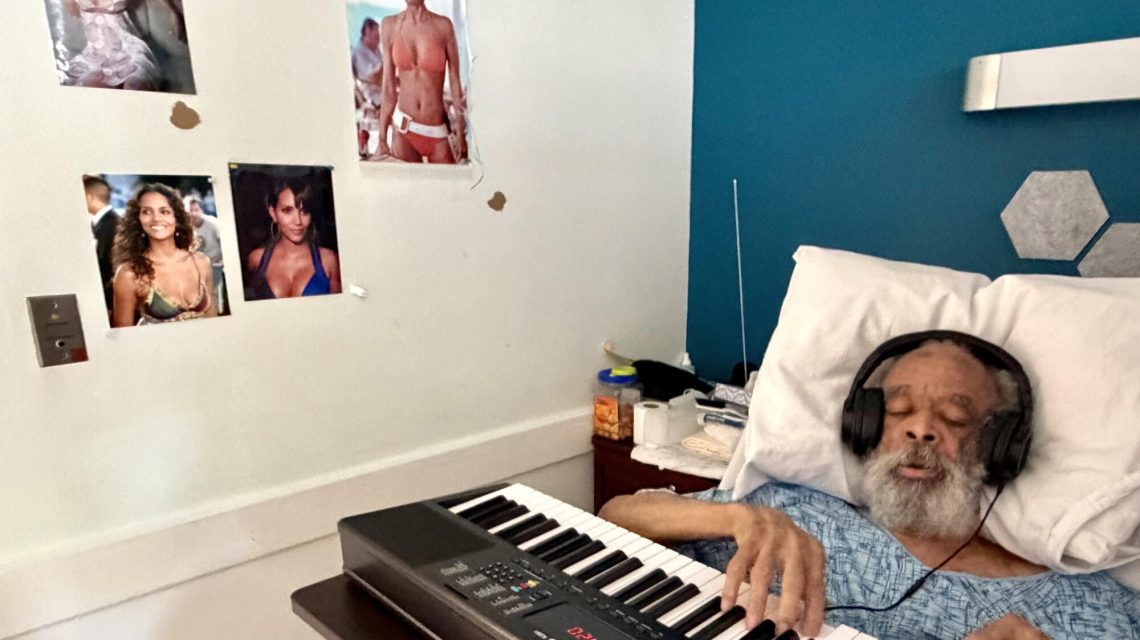
Nathaniel Ayers, a musician previously encountered on Skid Row, reflects the importance of relationships in recovery. Today, he resides in a nursing home, thanks to continuous support from friends and community workers. Abramson emphasizes human relationships as a critical precondition to solving homelessness.
Viewing the crisis beyond statistics—through personal stories—fosters community engagement. Despite challenges, we hope for substantial advancements under Raman’s leadership for Los Angeles’ homeless population.
 Virginia Residents Sue Over Alleged Immigration Violations
 United Airlines Faces System Outage Amid Banking Disruptions
 MTA Worker Attacked During Subway Dispute
 Home Invasion in California: Elderly Woman’s Struggle with Squatters
 NYC Mayor Disbands Controversial Police Unit
 Travel Chaos and Innovation Amid FAA Ground Stop