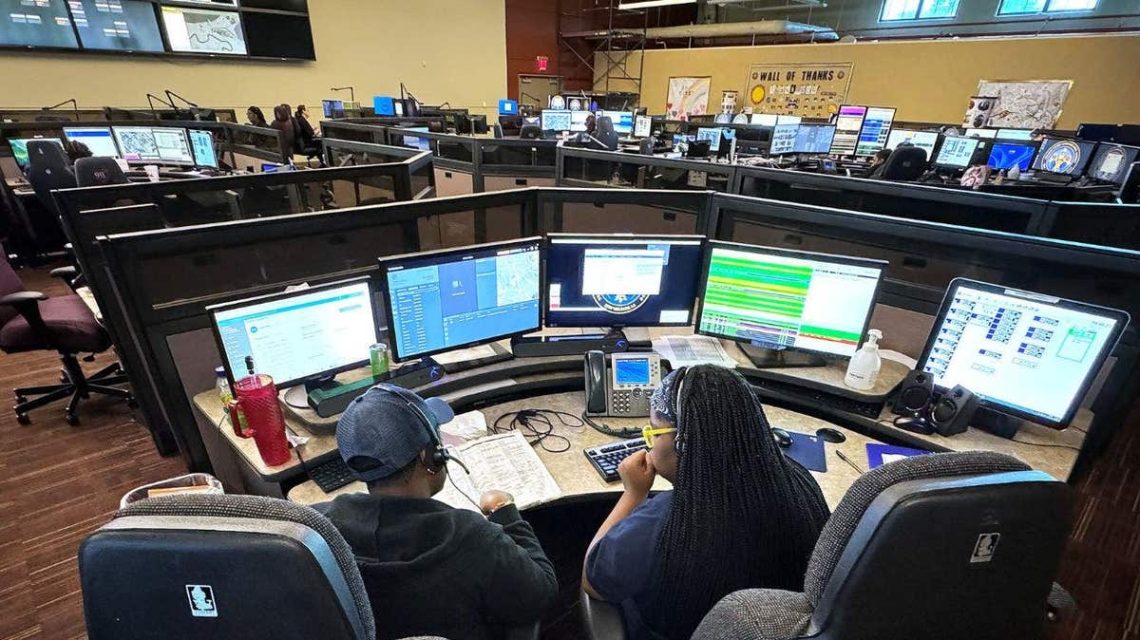
In New Orleans, a new system enables an artificial intelligence (AI) to answer specific 911 calls. The system deals with already reported auto crashes. The Orleans Parish Communication District (OPCD) uses this tool to keep human operators free for other emergencies.
The AI system interacts with callers to ascertain their queries. If it’s about a specific crash, the AI confirms awareness. If not, the call returns to the queue for a human responder. The AI supports multiple languages and is trained to understand local dialects and street names.
However, this AI cannot deploy emergency responders or evaluate call urgency. Its sole function is handling repeat calls regarding known auto crashes.
The system’s introduction aims to apply AI technology efficiently without jeopardizing human roles. The OPCD views AI as a complement, not a replacement for human operators. New Orleans remains cautious, employing AI for limited purposes, focusing on auto crashes that cause call surges.
The Carbyne company, which developed the AI, reports significant reductions in redundant calls. Studies indicated distressed callers received quicker human response times. These outcomes suggest AI’s potential in emergency communications.
Though promising, the integration of AI into emergency services spurs debate. Can machines fulfill emergency roles effectively? How responsive is the system in diverse situations? The question remains if AI interventions benefit public services broadly.
 Trump Unveils AI-Powered America.gov Platform
  Trump’s 2024 Campaign Targets Young Men Through Cryptocurrency
  How Modern Windows Improve Home Insulation
  State Department Simplifies Passport Process with Online Applications
  Senate Democrats Block Data Center Bill Over Efficiency Concerns
  Future Cities: Ambitious Projects Aiming for Innovation and Sustainability