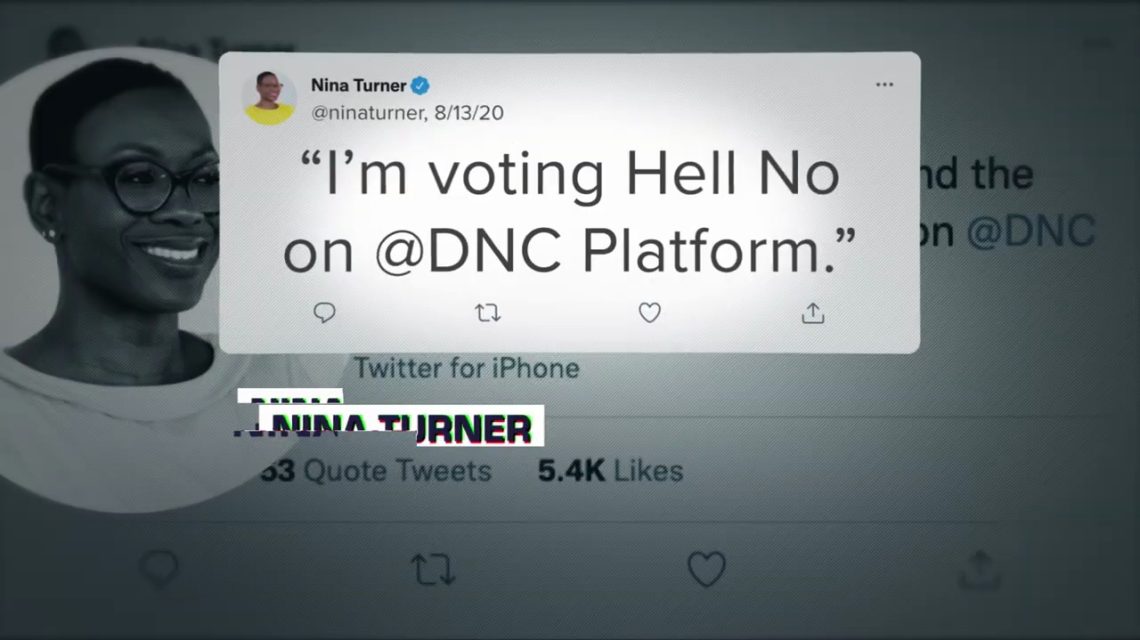
Over the past five years, the American Israel Public Affairs Committee (AIPAC) has emerged as a major spender in American electoral campaigns. Their spending, primarily through political action committees (PACs), has increased more than twofold, from $29.3 million to $67.2 million. A significant portion targets Democratic primaries.
Focus on Michigan
This week, AIPAC faces a key challenge in the Michigan Democratic Senate primary. The organization has invested over $30 million on ads and outreach supporting Representative Haley Stevens against her opponent, Dr. Abdul El-Sayed. Dr. El-Sayed has criticized AIPAC’s involvement in the elections and challenged Stevens’s candidacy based on this connection.
Shift in Strategy
AIPAC, traditionally a bipartisan organization focusing on federal legislation, has shifted its strategy by becoming more active in federal elections. In 2022, it founded a super PAC that has outspent similar interest groups on TV, radio, and digital ads over the last three election cycles. This shift highlights the growing importance and complexity of the Israel issue in U.S. politics.
Advertising Approach
Most AIPAC-funded ads focus on issues significant to voters, like abortion rights and the economy, rather than explicitly mentioning Israel. From April 2022 to the last month, out of 109 ads funded by AIPAC, only six mentioned Israel. This strategy of highlighting top voter issues is common among other groups as well.
United Democracy Project
The creation of the United Democracy Project in 2022 marked a new direction. Motivated by increasing campaign costs and a rise in candidates opposing U.S. support for Israel, the group escalated its political efforts, especially after the Hamas attacks on Israel in October 2023.
Impact Across Primaries
AIPAC has focused on Democratic primaries, rarely spending in general elections. Spending $138 million in primaries versus $4.65 million in general elections reflects this strategy. The goal is to elect a bipartisan pro-Israel majority, stated Patrick Dorton, spokesperson for the United Democracy Project.
Successes and Challenges
AIPAC’s efforts have mostly succeeded in electing pro-Israel allies in Congress. Notably, it supported Stevens in Michigan, spending nearly $5 million in 2022. Still, there were challenges, such as backing candidates like Andy Levin, known for being critical of some Israeli policies, and facing losses against candidates like Summer Lee in Pennsylvania.
Spending Breakdown
The super PAC funneling strategy helps AIPAC maintain influence while keeping its involvement less overt. For instance, in Chicago, the strategy faced backlash, costing a Democratic primary loss. Analysis shows mixed outcomes – successes, failures, and ongoing races.
Conclusion
AIPAC-affiliated PACs have spent over $67 million to date in the current election cycles, showing a significant commitment to influencing key races. The Michigan Senate primary represents a significant test for AIPAC’s strategies and influence.
 State Department Simplifies Passport Process with Online Applications
 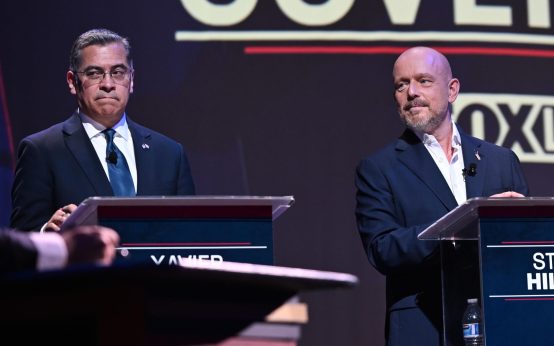 Becerra and Hilton Clash in California Gubernatorial Debate
  California Voters to Decide on $7.5 Billion State Research Fund
 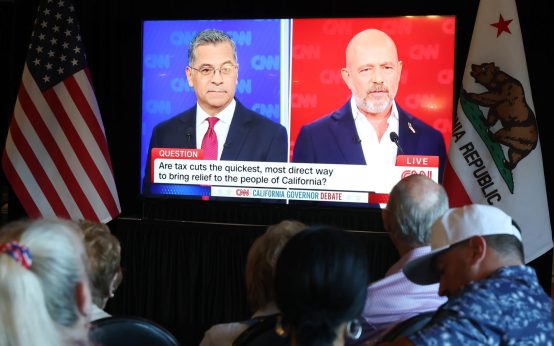 Highlights from the California Gubernatorial Debate: Becerra vs. Hilton
  Becerra vs. Hilton: The Debate and Key Issues in the California Governor Race
  Senate Confirms New Labor Secretary