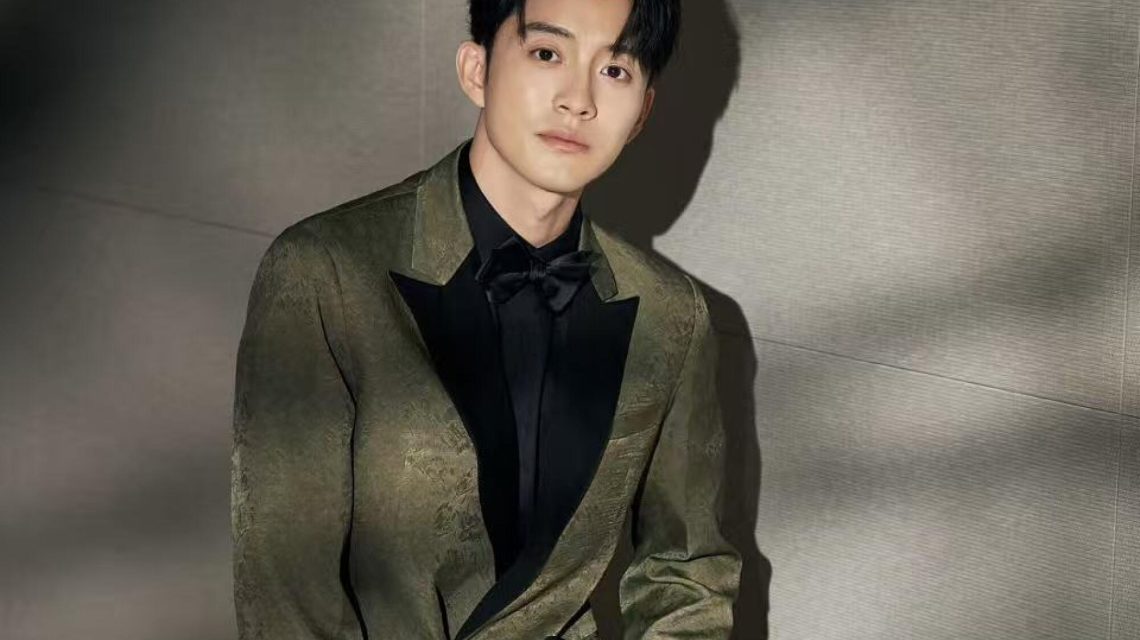
Chen Yilong has accumulated numerous film and TV credits over two decades as an actor. As work dwindled, he agreed in August to license his facial image to a Chinese production studio. His task involves sitting in front of a camera, expressing emotions on cue. Chen’s neutral, angry, or surprised expressions help generate an AI-created avatar, starring in AI movies. Chen, 38, based in Beijing, says, “If you can’t beat it, join it.”
AI’s Role in Chinese Entertainment
AI storytelling is revolutionizing China’s film and video industry. Advances in video generation software drive this change, especially with micro dramas popular on smartphones. These short videos, often just a minute or two, captivate audiences during breaks throughout the day. Unlike full-length films, micro dramas require less acting skill and resolution, making them perfect for AI content. Using AI software from companies like Kuaishou Technology and ByteDance has drastically reduced production costs.
In early 2023, the China Netcasting Services Association reported 128,000 Chinese-made micro dramas were released. More than 95% were AI-generated. Similar AI tools are in testing in the U.S., and these trends may indicate future changes in Hollywood. Professor Michael Berry of UCLA notes Chinese AI-powered video software is gaining interest in Hollywood. ByteDance’s Seedance video platform has already been showcased in Santa Monica, and other Chinese companies like Alibaba’s HappyHorse and Kuaishou’s Kling are targeting global markets.
Challenges in Hengdian World Studios
Hengdian World Studios in Zhejiang province, renowned as “China’s Hollywood,” is seeing more tourists than actors these days. Reports suggest 10,000 extras arrive daily seeking work, but only around 800 are hired. This spring, the Shanghai-based Jiefang Daily noted a significant drop in short-drama productions there. Chen recalls many actors losing over 60% of work this year due to shifts in viewer preference toward shorter videos.
Legal Challenges in AI Era
Entertainment lawyer Fan Baile is busy as celebrities pursue legal action for illegitimate uses of their faces for digital avatars. Fan highlights the gap between rapid technological advances and regulation, complicating legal assessments in face protection and digital infringement cases. Popular actor Jackson Yee made headlines over unauthorized use of his likeness, and Dilraba Dilmura won a lawsuit against AI-driven drama producers.
Actors Committee of the China Federation of Radio and Television Associations publicly condemned such infringements in April, calling for stronger compliance rules. Hollywood actors have similar concerns over unauthorized AI usage.
AI Video Production Process
Sun Wei founded Shenzhen-based Feixiang Universe, which cast Chen Yilong. Fear of unintentional facial theft led Sun to license real faces for an AI production set during the Tang Dynasty. She notes AI performers often look similar due to data bias, prompting her studio to seek diverse faces for digitization.
Transitioning from roles in iQIYI, Youku, and Douyin, Sun launched Feixiang Universe to produce AI films. Her team includes creators skilled in AI tools, forming scripts with ChatGPT, Kimi, and DeepSeek. Using video-generation models, they input desired scene elements and actors, generating short clips with Chen’s face mapped onto avatars.
AI dismantled filmmaking financial barriers. Where a 40-episode series once demanded $30 million, AI films suitable for streaming need just $500,000. Sun asserts filmmakers no longer ask, “Can we afford this?” AI allows imagination to flourish without budget constraints.
AI’s Limitations in Film
Video-generation technology often fails on first attempts, taking multiple tries for adequate content. Director Lu Beike mentions AI’s inability to handle complex lighting or depth, hindering top-tier production quality.
Real human performances appear discordant in predominantly AI-generated films. Nuanced emotions and varied skin textures make live-action material standout, requiring processing to blend with AI content, Lu explains.
AI struggles with facial nuance. Chen Qiufan, a science-fiction writer and pioneer in AI storytelling, highlights resistance to AI content. Independent creators brand their work as “100% Human-Produced.” Live concerts are surging in popularity for genuine experiences. “AI isn’t art,” says Chen. “It is just a product.”
 Trump’s 2024 Campaign Targets Young Men Through Cryptocurrency
  How Modern Windows Improve Home Insulation
  Zoe Kazan’s Journey with ‘East of Eden’
  State Department Simplifies Passport Process with Online Applications
  Dutch Review Board’s Euthanasia Ruling and International Debate
  Pete Davidson Criticizes NYC Mayor Zohran Mamdani Over BQE Construction