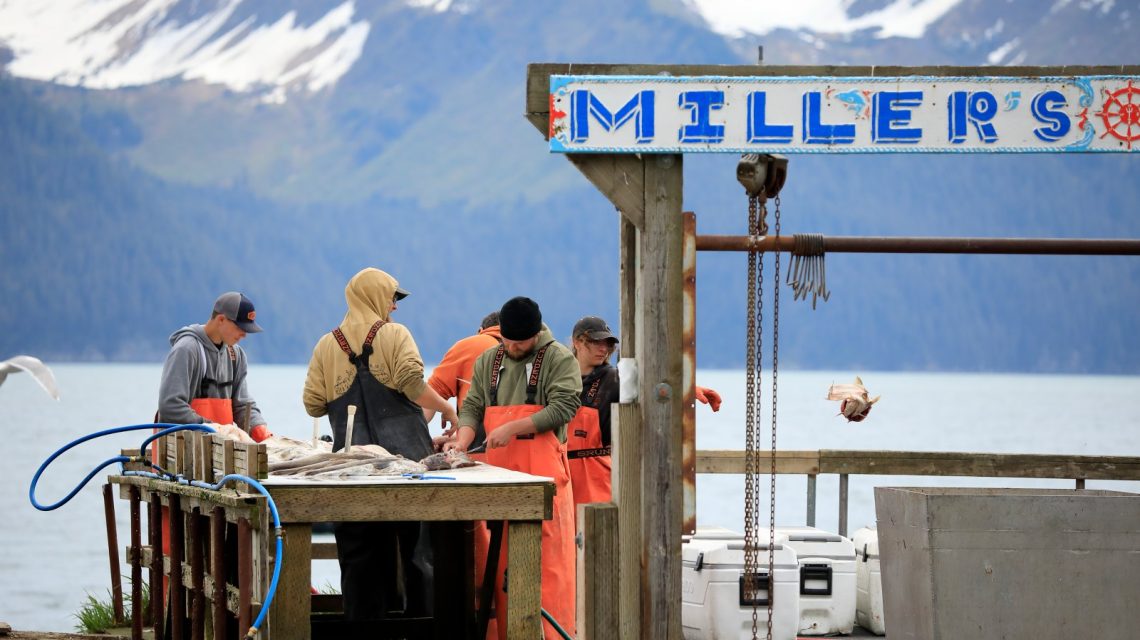
While many midterm voters focus on issues like immigration and inflation, Alaskans are debating matters such as salmon runs, bycatch limits, and the future of the state’s fishing industry. These subjects could influence whether Democrat Mary Peltola overtakes Republican incumbent Dan Sullivan, potentially flipping Alaska’s U.S. Senate seat.
With limited chances for Democrats to gain Republican-held Senate seats in 2026, Alaska becomes a key contest, alongside states like Maine, Texas, and Michigan.
Alaska has not chosen a Democrat for the Senate since 2008. The state’s unique voter composition and ranked-choice voting mean leadership isn’t strictly party-based.
“Alaskans, like Americans in every state, are being hammered by higher costs. Gas in rural Alaska is as much as $26 per gallon…”
Aubrey Wieber, executive director of the 907 Initiative, highlights significant costs and mentions secondary issues like trawl bycatch affecting Alaskans. This concern has grassroots origins, involving subsistence, commercial, and sport fishers.
Fishing’s Vital Role in Alaska
Fishing is critical for Alaska, driving significant parts of the economy while facing diverse challenges. Commercial fishing is among the state’s key private employers and exports, supporting wide-ranging sectors from fisheries to transportation.
Unlike oil, fishing impacts many communities, such as Bristol Bay and Prince William Sound. Salmon holds cultural significance, being essential for sustenance and identity in rural areas.
Industry observations indicate fluctuating fish stocks on a decline. External factors involve larger commercial vessels and environmental concerns like ocean warming and habitat pressures. Bycatch, an unintended capture during fishing, also plays a role.
Matt Alward from United Fishermen of Alaska noted social media’s role in spreading misinformation during the election cycle.
Candidate Perspectives: Peltola vs. Sullivan
The fishing industry’s challenges are pivotal topics for both Sullivan and Peltola in their campaigns. However, their approaches to solutions differ.
Peltola’s campaign centers on concerns about large trawlers in federal waters harming fisheries. She attributes difficulties to out-of-state trawlers and excessive bycatch.
“Strong fisheries are the lifeblood of our economy, communities, and families…”
Peltola criticizes corporate involvement and suggests measures such as banning factory trawling and expanding vessel monitoring.
Sullivan emphasizes his tenure in the Senate by highlighting legislative efforts like the Bycatch Reduction Act, focusing on sustainable fishing practices and industry pressures.
Matt Alward points out that access to federal programs has lagged for the industry, with Sullivan helping through the creation of the USDA’s Office of Seafood.
Impact of Fishing on the Alaska Election
Fishing issues may significantly influence the state’s election outcome. A Data for Progress poll showed modest interest in fishing among voters, yet a previous poll indicated strong support for trawling bans.
Aubrey Wieber reflects on trawling’s prominence in election discourse, citing Peltola’s campaign as a catalyst for its attention.
Sullivan’s past ties to the trawling industry reflect complex political dynamics amid changing voter priorities.
Legal Controversy: DOJ vs. Alaska Over Senate Ballot
Recently, President Trump directed the DOJ to sue Alaska over a Senate ballot featuring dual candidates with the name Dan Sullivan. The DOJ aims to halt ballot certification if the incumbent loses, alleging the presence of Dan J. Sullivan, a retired teacher, as a move to mislead voters.
Despite initial attempts to exclude Dan J. Sullivan from the ballot, courts reinstated him, prompting further DOJ action to investigate voter intentions.
This ongoing legal dispute emphasizes the tight scrutiny the Alaska Senate race faces.
 Mayor Mamdani’s Policing Reform Plans
 Gen Z Voter Shifts and Their Impact on the 2026 Midterm Elections
 Disappearance of US Senate Candidate Raises Questions
 DOJ Rule Change Reduces Appeal Time for Immigrants Facing Deportation
 Hakeem Jeffries’ Bid for House Speaker Faces Progressive Hurdles
 Ohio Judge Dismisses Defamation Lawsuit by Rep. Max Miller