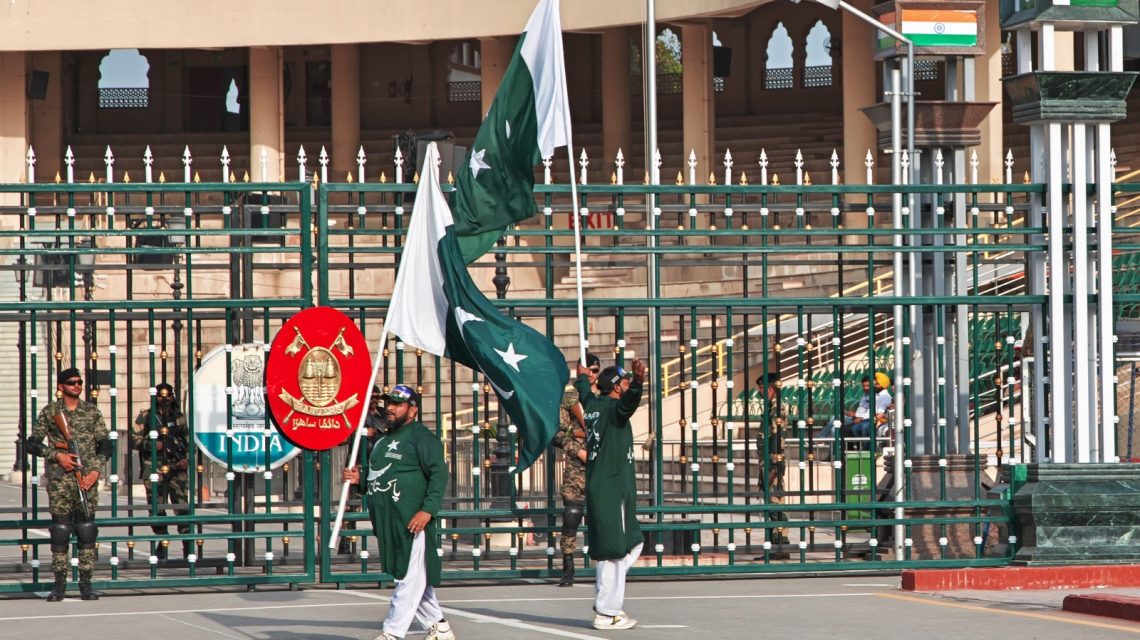
In an article published by India’s Ambassador to the United States, Vinay Kwatra, he critiques the Indus Waters Treaty (IWT) as an imbalanced agreement providing excessive concessions. He alleges that Pakistan has hindered India’s hydropower projects on the Western Rivers, claiming a distortion of the Treaty’s history and purpose. India has adopted this narrative, particularly since its contentious decision in April 2025 to hold the Treaty ‘in abeyance.’ This move seems aimed at justifying a unilateral action, unsupported by the Treaty or international law.
Indus Waters Treaty: Background and Structure
The IWT is a binding international agreement established on September 19, 1960 after prolonged discussions facilitated by the World Bank. It is neither an act of Indian benevolence nor an undue concession to Pakistan. The Treaty represents a meticulously negotiated settlement replacing upstream discretion with definite, binding rights and obligations. This enhances certainty, predictability, and stability in managing the Indus River System. India received unrestricted rights over three Eastern Rivers (Ravi, Beas, and Sutlej), while Pakistan’s rights over the three Western Rivers (Indus, Jhelum, and Chenab) were legally shielded.
Pakistan relinquished its reliance on Eastern Rivers and undertook extensive works to adapt its irrigation system to the new allocation. Declaring this arrangement as inherently unjust ignores the historical context in which the Treaty was negotiated, along with the well-calibrated balance woven into its clauses. The limitations on India’s usage of Western Rivers stem from hydrological realities of an upstream-downstream relationship. They are crucial for safeguarding the lower riparian state’s rights and water security.
Hydropower Development and Dispute Resolution
Claims that Pakistan aims to restrict India’s hydropower development are misguided. The Treaty allows India to construct run-of-river hydroelectric plants on Western Rivers, subject to design and operational constraints as prescribed by the Treaty. Pakistan’s resort to dispute settlement under Article IX is an exercise of rights expressly provided by the Treaty. Issues concerning pondage, spillways, outlets, intakes, and operating criteria are directly linked to negotiated safeguards by both parties. Seeking clarification or arbitration on such topics is implementation, not exploitation, of the Treaty.
The Court of Arbitration has upheld the Treaty’s ongoing validity and the binding nature of its safeguards. Its Awards reiterate that hydropower projects on Western Rivers must comply with the IWT’s limitations. Unrelated political or security allegations cannot exempt a state from its obligations under a binding agreement. Baseless claims involving terrorism or other bilateral issues do not create unilateral rights to suspend or alter the IWT.
The Legal Status of the Indus Waters Treaty
The IWT contains no clause permitting either party to unilaterally suspend, place it in abeyance, or terminate it. Article XII insists the Treaty continues until terminated by a treaty ratified by both governments. India’s unilateral declaration of April 2025 cannot modify the Treaty’s legal standing or nullify the rights and responsibilities under it. The Treaty remains valid, functional, and binding.
For over six decades, the IWT has provided a rules-based framework for managing an essential transboundary river system. Its durability is not reliant on political goodwill, but on substituting unilateral discretion with binding rules and dispute-resolution procedures. Undermining this treaty with the aim of weaponizing transboundary rivers threatens peace and stability in a fragile region.
Pakistan remains dedicated to the comprehensive implementation of the IWT. India should withdraw its unilateral actions, adhere to Treaty obligations, and engage through established institutional and dispute-resolution mechanisms. Pakistan will continue defending its treaty rights through all available channels. This issue is vital for Pakistan’s agriculture, food security, and economic well-being, impacting over 250 million citizens. The IWT has helped sustain regional stability in South Asia for decades.
Rizwan Saeed Sheikh has been Pakistan’s Ambassador to the United States since August 2024. The views expressed are the author’s own.
 Dutch Review Board’s Euthanasia Ruling and International Debate
  Israeli PM Commends Heroic Actions in Flight Emergency
  Rabbi and Jewish Leaders Criticize Adam Brody for ‘Genocide’ Comment
  Flydubai’s Emergency Landing Highlights Cockpit Security
 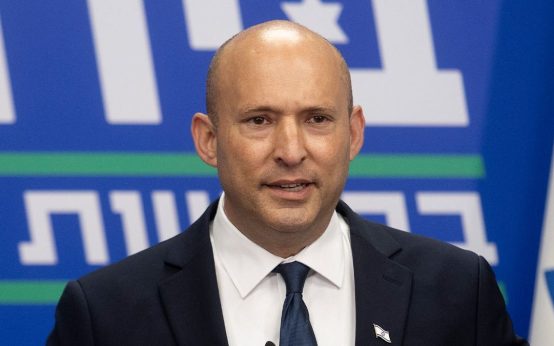 Former Israeli PM Naftali Bennett Commends Passengers and Crew for In-Flight Heroism
 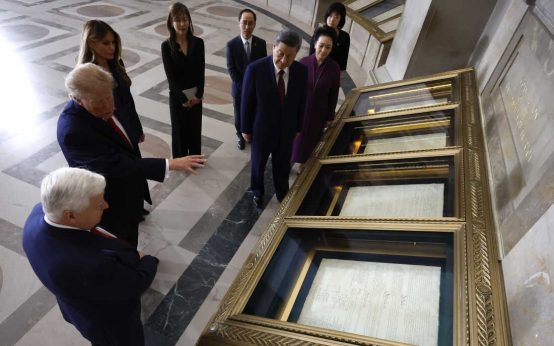 Diplomatic Complexities Unfold at U.S. National Archives Visit