
The price correction in Austin that started after the pandemic housing boom continues to benefit buyers. The Texas capital saw the largest year-over-year price drop in the nation last month. Data from Realtor.com shows the median listing price in Austin-Round Rock-San Marcos fell by 9.8% to $446,450 in September from the previous year. Although this remains above the national average of $419,250, it’s significantly lower than the all-time high of $629,479 in May 2022.
This shift has transformed Austin, once a hotspot for competitive bidding during the pandemic, into a clear buyer’s market. Buyers now have more leverage over sellers. The change resulted from several factors, including the reduced inflow of new residents during the pandemic and decreased demand due to higher costs. Additionally, an influx of new listings has increased competition among sellers, giving buyers more choices.
In September, total active listings in Austin rose by 1.4% compared to the previous year. New listings increased by 2.1%, indicating more options for buyers who can now afford to be selective. However, Austin is not unique in this trend. The broader U.S. housing market is now considered a buyer’s market. At the national level, the median listing price decreased by 1.4% from the previous year as reported by Realtor.com.
Most of the top 10 metros with the largest price declines in September are in the Sun Belt, with others in the Mountain West, Mid-Atlantic, and Northeast:
- Austin-Round Rock-San Marcos, TX: -9.8%
- Memphis, TN-MS-AR: -8.7%
- Tampa-St. Petersburg-Clearwater, FL: -6.6%
- San Diego-Chula Vista-Carlsbad, CA: -6.3%
- Los Angeles-Long Beach-Anaheim, CA: -5.9%
- Denver-Aurora-Centennial, CO: -4.9%
- Phoenix-Mesa-Chandler, AZ: -4.8%
- St. Louis, MO-IL: -4.7%
- Washington-Arlington-Alexandria, DC-VA-MD-WV: -4.6%
- Providence-Warwick, RI-MA: -4.2%
Denver and Phoenix, like Austin, were also pandemic boomtowns now facing corrections. High inventory and declining demand present similar challenges nationwide, although inventory levels vary by area. Affordability concerns are limiting many potential buyers.
High prices remain in expensive locations, such as the California metros. Despite price drops, San Diego’s median listing price was $888,450, and Los Angeles was over $1 million.
Impact on Buyers and Sellers
Sellers who purchased properties during the peak of the pandemic may face losses. Buyers benefit from price reductions, particularly given high housing costs largely driven by increased mortgage rates. As of October 22, the 30-year fixed-rate mortgage averaged 7.32%, up from 6.19% the previous year.
Yet, high borrowing costs and inflation concerns, exacerbated by global issues, deter many buyers. This results in a market in ‘hibernation.’ Joel Berner, a senior economist at Realtor.com, highlights the market’s decades-low sales figures. He notes that mortgage rates could trigger change and that delayed demand suggests a possible recovery in the future.
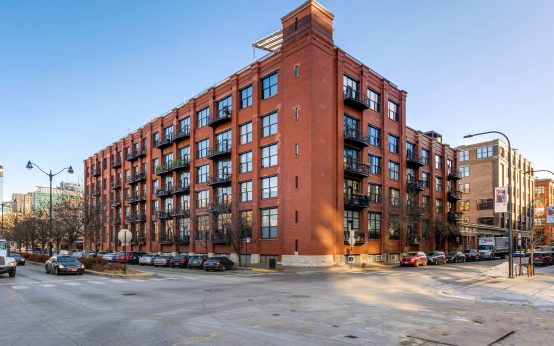 Norma Kuhling Sells West Side Loft for Asking Price
 Two-Story Tiny Home with Modern Features Available on Amazon
 Kirk Cousins’ Off-Market Home Sale: A Real Estate Insight
 Foreclosures and Tighter Credit Highlight Issues with Price Controls
 Office Market Faces Renewed Challenges Amid High Bond Yields
 Raising Children in the Hamptons with Practical Life Lessons