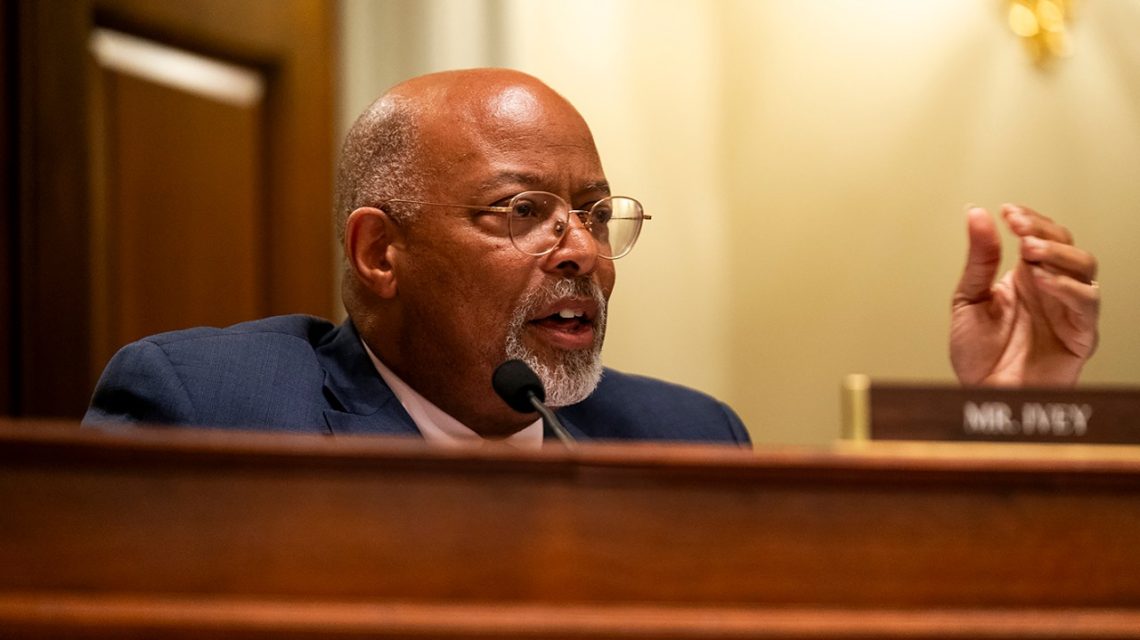
Bipartisan legislation aimed at regulating the growing industry behind college sports is poised to pass the Senate this week, yet faces a tougher challenge in the House when lawmakers reconvene in the fall. The Protect College Sports Act, backed by Senators Ted Cruz (R-Texas) and Maria Cantwell (D-Wash.), recently passed its initial tests in Congress. Over 70 senators supported the act in two procedural votes, including key Democrats and conservatives who were previously hesitant.
Senator Cruz emphasized the importance of a bipartisan vote to build momentum and persuade skeptical House members. In private discussions, he encouraged Speaker Mike Johnson (R-La.) to keep the members in town for consideration of the bill. However, Johnson chose to send House members home early, delaying the legislation’s arrival at President Trump’s desk until at least November.
We remain pretty optimistic the House is going to make this a priority when they come back. The only reason you wouldn’t do that is because of sour grapes,expressed one lobbyist working on the Senate bill. They further mentioned that Republicans owe it to the American people and the president.
President Trump endorsed the act and recently criticized two GOP senators from Florida who opposed it over conference realignment provisions. The legislation grants college athletes the federal right to earn compensation for their name, image, and likeness. Agent fees are capped at 5 percent, scholarships are guaranteed for ten years post-eligibility, and athletes can transfer once without sitting out a year. Additionally, it prohibits coaches from leaving midseason to take on other programs during the competitive season, addressing concerns following LSU coach Lane Kiffin’s departure from Ole Miss last year.
Critics argue the bill favors the NCAA and top conferences by limiting athletes’ earning potential and protecting wealthy coaches and administrators. Senator Cory Booker (D-N.J.), a critic of the bill who played football at Stanford, stated, The Protect College Sports Act sells out athletes and bails out the NCAA. He voiced concern that the actors exploiting college athletes would emerge with more power, whereas athletes would have less.
Progress on the act represents the closest instance of the NCAA obtaining congressional antitrust protection, which it has actively pursued, investing tens of millions in lobbying efforts. The organization collaborated with renowned football coach Nick Saban for ad campaigns supporting the bill, and hosted meetings with top coaches and skeptical lawmakers as amendments were finalized. Prominent coaches like John Calipari, Mark Few, and Kelvin Sampson participated in these discussions.
As Calipari reflected in a social media video post-Capitol Hill visit, It’s not perfect, but I believe this will solve 75 to 80 percent of our issues. It’s been special to see both parties come together on this. Achieving success for the Protect College Sports Act requires convincing lawmakers opposed to the SCORE Act, a similar bill that failed in the House after opposition from the Congressional Black Caucus (CBC) and NAACP.
Labor groups and the CBC argue that antitrust protection for the NCAA would disproportionately limit minority athletes’ earning potential, particularly in Southern states with strong football and basketball programs. Representative James Clyburn (D-S.C.) commented, I was totally against the SCORE Act; I haven’t read this one, but we’ll see.
He noted that if the bill doesn’t improve on antitrust issues, he will oppose it, emphasizing collaboration with the CBC.
Some House Republicans, like Representative Chip Roy (R-Texas), expressed reservations, indicating that while Ted Cruz has included positive elements in the bill, concerns remain. Roy explained, We’ve got to do something, but it has to be sufficient enough.
He highlighted the priority of the controversial SAVE [American] Act over sports legislation.
Other lawmakers foresee inevitable changes to the college athletics system despite ongoing disputes about the NCAA’s challenges. Representative Bryan Steil (R-Wis.) emphasized the impact of the current system, awaiting a permanent solution that doesn’t worsen the situation. Everybody agrees the current system is failing, but getting it right is going to be the essential piece,
Steil noted.
 The Trump Team’s Challenge to the Military Leadership
  Maryland First State to Restrict Electronic Pricing in Grocery Stores
  Activists Push for Nationwide Ban on Child Marriage in the U.S.
  Democratic Hopes and Historical Warnings in 2026 Senate Race
  Republicans Face Challenges Amidst Cost of Living Concerns
  A Different Kind of Fall for Congress This Year