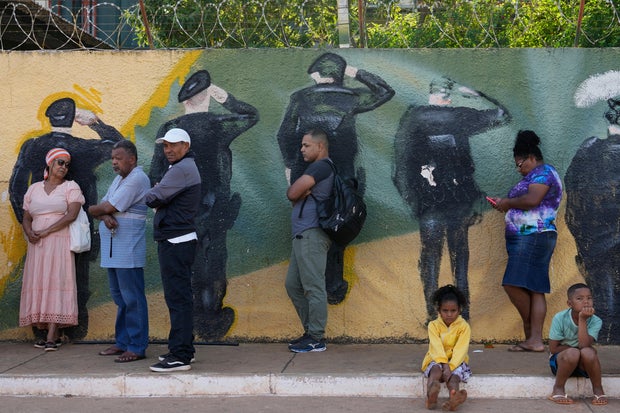
Brazilians are heading to the polls for a pivotal presidential runoff on Sunday. The election sees incumbent President Luiz Inácio Lula da Silva pitted against Flávio Bolsonaro. This decision could significantly influence U.S. relations in Latin America.
For a candidate to win, they need more than 50% of the votes. Current polls indicate a tight race between the two, with neither having a clear lead. Lula, a veteran politician with left-of-center views, faces Bolsonaro, a staunch ally of U.S. President Trump, and son of former President Jair Bolsonaro.
In the first round, Bolsonaro led by over 2.2 million votes, but over 33 million eligible voters didn’t participate. Ideological contrasts between the candidates span U.S.-Brazil relations, climate policies, and social welfare.
A win for Bolsonaro signifies a rightward shift for Brazil, joining recent conservative victories in Chile, Peru, and Colombia. In contrast, Lula’s victory would align Brazil with Mexico in having left-of-center leadership.
Challenges and Concerns
Lula previously governed Brazil from 2003 to 2010 and now battles concerns over living costs and security. Bolsonaro centers his campaign on a tough stance on crime and food cost reduction. Both face corruption allegations involving family and allies. Bolsonaro is under scrutiny for a scandal involving $12 million from a discredited banker. Lula’s past corruption convictions were annulled, yet the shadow lingers.
Bolsonaro’s promise involves amnesty for his father, under house arrest for coup attempts. Meanwhile, Lula campaigns with initiatives like debt relief for small businesses and free public transport on weekends.
Bolsonaro’s call for national change counters Lula’s depiction as democracy’s protector against autocracy influences, notably from the Trump administration.
Voter Opinions and Challenges
Lula’s supporters appreciate his advocacy for marginalized groups. Brazilian voters like Luzia da Souza value Lula’s commitment to alleviating poverty. Journalist Anderson Falcão criticizes Bolsonaro’s exclusionary policies.
Some who once supported Lula now oppose due to past corruption, like Fabianne Borges Santoro in Rio de Janeiro. Critics like Diogo Furtado express dissatisfaction with both candidates, emphasizing the need for fresh leadership.
Logistical Concerns
In Lula’s support base of Bahia, public transport issues arose with buses reportedly withheld from service. Electoral officials addressed these disruptions, linking them to political tensions in municipalities.
International Dynamics
The backdrop of U.S. relations looms over the elections. Lula has openly criticized the Trump administration’s tariffs and designation of Brazilian groups as terrorist entities. This creates a complex influence dynamic where foreign policy potentially sways domestic voters.
Flávio Bolsonaro emphasizes close ties with the U.S., aiming for favorable economic agreements. Both campaigns watch closely as electronic votes are cast and tallied, with results expected swiftly after polls close.
 In-Flight Altercation on Qatar Airways Leads to Police and FBI Response
 Mayor Mamdani’s Policing Reform Plans
 Virginia Residents Sue Over Alleged Immigration Violations
 Gen Z Voter Shifts and Their Impact on the 2026 Midterm Elections
 Disappearance of US Senate Candidate Raises Questions
 DOJ Rule Change Reduces Appeal Time for Immigrants Facing Deportation