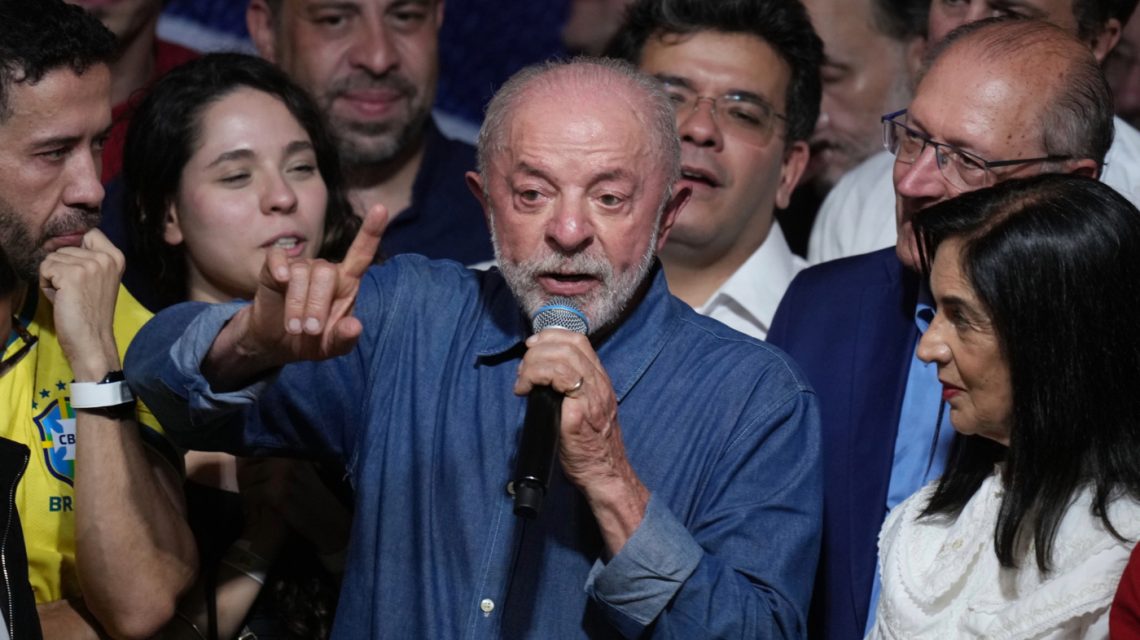
On October 25, 2026, Luiz Inácio Lula da Silva was elected as Brazil’s president for the fourth time after an unexpected turnaround in the presidential election. Lula secured victory with 51.8% of the votes, surpassing Flávio Bolsonaro, who garnered 48.2%. This margin translated into a difference of over 4 million votes. In his victory speech, Lula emphasized that Brazil would not be subordinate to any other nation.
The results prompted varied reactions. President Trump characterized the election as appearing “rigged”, yet acknowledged his professional exchanges with Lula, highlighting their meetings in recent months. Despite differing ideologies, the two leaders engaged for mutual commercial interests. By 2025, the trade between the United States and Brazil reached $135.7 billion, marking a 6.5% increase from 2024. The U.S. stands as Brazil’s second-largest trading partner, underscoring the shared economic dependencies.
Both presidents embody contrasting backgrounds; Trump emerged from private enterprise, while Lula’s history is rooted in labor activism. Lula has built his career as a left-leaning leader, having alliances with noted figures such as Fidel Castro and Daniel Ortega. His election promises included extensive social programs projecting costs upwards of $57 billion, aiming to provide financial relief and various subsidies.
Yet, Lula’s victory brought economic tremors. Brazil’s currency plunged 11% against the dollar, while stock markets observed a 14% decrease, marking a significant economic shift. Despite these challenges, Brazil remains a critical player in global politics. As the largest Latin American country and a critical democracy, it retains strategic roles within the G20 and the BRICS association, alongside notable global powers.
Lula’s leadership brings complexities concerning international relations. His stance diverges from the “Shield of the Americas” agreements, maintaining autonomy in classifying domestic criminal organizations. The alliance with China extends beyond commerce into collaborations like joint naval exercises and involvement with major Chinese corporations. Concerns about these international alignments accompany Brazil’s strategic role with partners like Russia and Iran.
Fostering an effective relationship with Brazil requires addressing Chinese influence while navigating Lula’s unpredictable leadership. Despite Brazil’s alignment with countries often opposing Western interests, its trade significance to the United States remains indispensable. This dynamic necessitates balancing firm diplomacy with cooperative economic engagement.
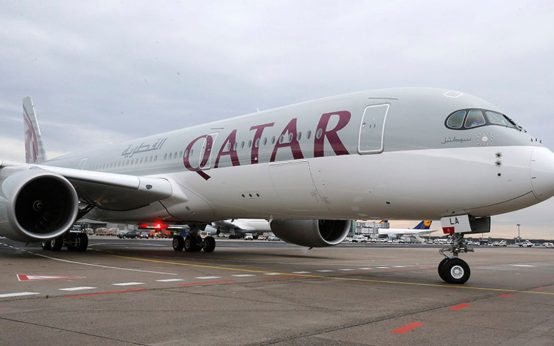 In-Flight Altercation on Qatar Airways Leads to Police and FBI Response
 Mayor Mamdani’s Policing Reform Plans
 Virginia Residents Sue Over Alleged Immigration Violations
 Gen Z Voter Shifts and Their Impact on the 2026 Midterm Elections
 Disappearance of US Senate Candidate Raises Questions
 DOJ Rule Change Reduces Appeal Time for Immigrants Facing Deportation