
California voters have approved Proposition 38, which allows the state to issue $8.4 billion in bonds for research in immunology and immunotherapy. This initiative aims to find cures and prevention methods for chronic diseases. The Associated Press announced this result on Monday evening.
At least $4.2 billion of the funds will be dedicated to research on cancer, heart disease, and Alzheimer’s disease. The proposition also enables California to partner with a selected immunology and immunotherapy research institute, which will receive half of the bond revenue. This institute is chosen by the California Department of Public Health.
Opponents argue that the measure could burden taxpayers with long-term debt. They also claim that the grant qualifications are so specific that only one institute, the California Institute for Immunology and Immunotherapy, fits the criteria to receive half of the revenue. Gary K. Michelson, co-founder of the institute and a key proponent of the proposition, contributed $45 million to the campaign based on state data.
The remaining bond funds will be used for competitive research grants focusing on immunology and immunotherapy. These grants will be distributed by a council including representatives from University of California campuses, other universities, and nonprofit research bodies.
Supporters expressed their joy following the proposition’s passage. They issued a press release noting that it provides support during a time when federal research cuts have affected clinical trials and medical advancements across the nation. Chris Tarver, president of the American Nurses Association/California, highlighted the significance of this victory for patients and families affected by severe diseases.
According to the Legislative Analyst’s Office, repaying the bond will cost Californians between $500 million and $600 million annually over 20 years. Offsetting some costs might be possible if the research leads to marketable treatments, though predicting such outcomes remains challenging.
Hannah Fry, a staff writer, contributed additional information to this report.
 Scientific Debate Surrounds Mysterious Object Near the Sun
 The Future of MAHA in American Health Politics
 Insulin Cost Caps Gaining Support Amid Rising Prices
 A Personal Journey Through Encephalitis
 Low-Cost Medication May Benefit Stroke Survivors
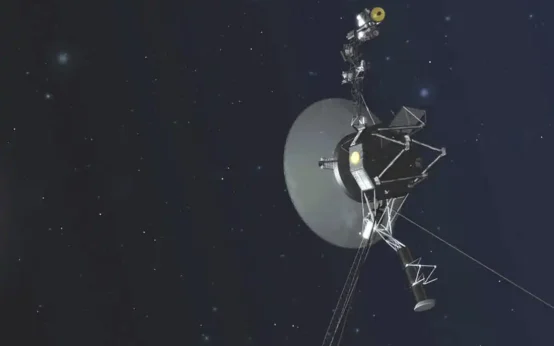 Voyager 1 Reaches Light-Day Distance from Earth