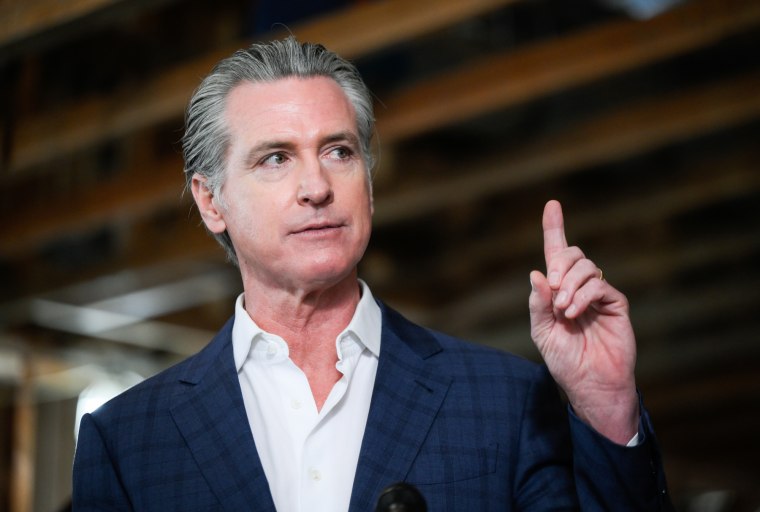
The Democratic-controlled Legislature of California came to a close with the passage of numerous bills, particularly addressing artificial intelligence (AI) and social media use among minors. Governor Gavin Newsom is tasked with deciding on these bills by the end of the month, potentially affecting his political stance in future elections.
California lawmakers passed around 26 measures aimed at restricting AI applications and social media functionalities that experts deem addictive, particularly for young users. Legislation includes banning social media platforms from providing ‘addictive features,’ like autoplaying videos, to those under 16, and implementing age verification for chatbots used by minors. Violations could lead to financial penalties for platforms that fail to protect children from harmful content.
State Senator Steve Padilla emphasized California’s proactive stance on AI regulation in comparison to Washington, D.C.’s approach. He sees these legislations as possible models for nationwide efforts to secure a safer digital environment for minors.
In higher education, one bill mandates human instructors in the California State University system, although AI tools can be integrated into educational services. Employers are restricted from employing AI surveillance that gathers neural data to assess employee emotions, and certain dynamic pricing in retail is outlawed as ‘surveillance pricing.’
Healthcare regulations require therapy and psychotherapy to be conducted by licensed professionals, explicitly prohibiting reliance on AI chatbots for such services. Other bills seek to clarify the application of confidentiality laws on AI in medical settings.
Governor Newsom’s trajectory with the tech industry has been generally supportive, seen in his initiatives favoring industry collaboration. Nonetheless, his recent actions suggest an increasing concern about AI regulation. This year, Newsom enacted policies demanding cooperation among state agencies, industry, and labor groups to mitigate AI impacts on workers. Earlier, he approved laws ensuring services from public schools and cars with tracking capabilities come from natural persons, not bots.
Other legislative actions included banning law enforcement from using electric shock gloves – a direct reaction to ICE’s purchase plans – and modifying parole and mask regulations for law enforcement agencies.
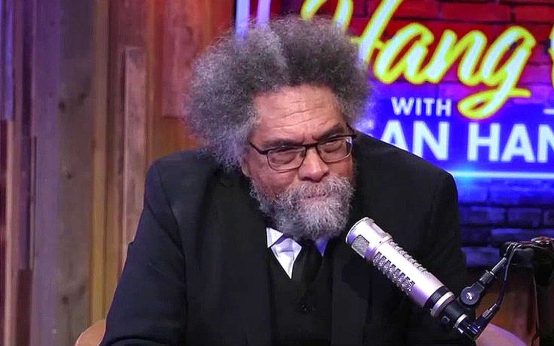 Cornel West and Sean Hannity Discuss Differences on Podcast
 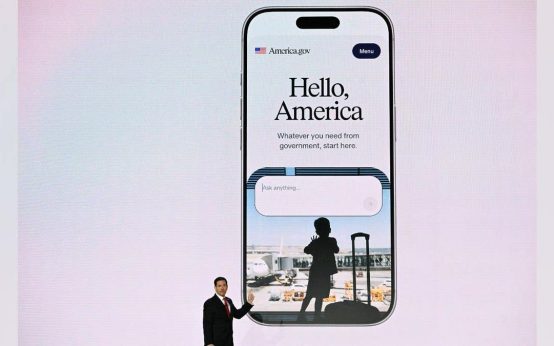 Trump Unveils AI-Powered America.gov Platform
 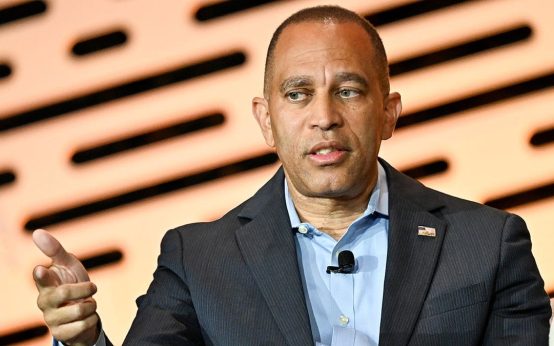 Upcoming Congressional Elections: Key Districts to Watch
  President Trump’s Pre-Midterm Interview on Key Issues
  Trump’s 2024 Reelection and Evolving Voter Dynamics
  Defense Secretary Emerges as Key Player in the Trump Administration