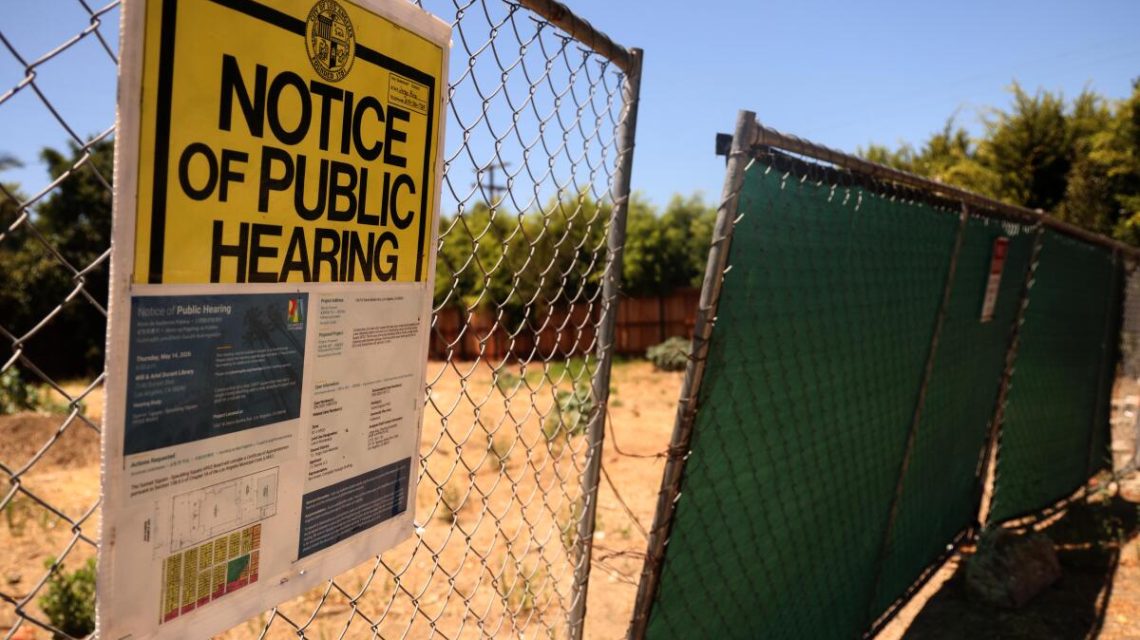
In 2017, Hollywood’s Sunset Square was designated as a Historic Preservation Overlay Zone (HPOZ), marking its significance in Los Angeles’s architectural history. This decision aimed to maintain the neighborhood’s historical charm, but it has sparked debate among residents.
Four years after this designation, a high-profile crime occurred when Lady Gaga’s dogwalker was shot outside a vacant home in the area. This incident led some residents to link the crime to the HPOZ designation, claiming that extensive permit processes cause project delays and vacant properties, which potentially attract crime.
The Division Among Residents
A divide is evident in this affluent neighborhood, where homes typically sell for over $2 million. Critics argue that the HPOZ’s rigorous requirements create burdens, halting construction and leaving homes empty. Proponents maintain that these regulations are vital to prevent Sunset Square from transforming into an unrecognizable suburb filled with generic homes.
Due to the approvals and reviews needed for any construction work, homes often remain unfinished for years. The neighborhood’s attempts to preserve its historic look have led to both well-maintained bungalows and vacant lots surrounded by temporary fences.
The Historical Context of HPOZs
Established in the 1970s, Los Angeles’s HPOZ program aims to protect and maintain the architectural integrity of neighborhoods like Hancock Park and Angelino Heights. Covering over 21,000 properties across 35 neighborhoods, HPOZs add extra zoning and design layers to the city’s standard procedures. Homeowners must receive board approvals before modifying their home’s exterior.
The aim is to preserve the distinctive appearance and legacy of these areas. Sunset Square’s Craftsman bungalows and Spanish Colonial homes provide a glimpse into the early 20th century, reminding residents of its past as a streetcar suburb.
The Impact on Local Real Estate
Controversy over HPOZs reached a peak with the transformation of a modest Craftsman home into a 4,700-square-foot modern house artfully adorned with a mural. This dramatic shift led to community support for historic protections, preventing similar redevelopments.
Some residents express regrets. JoAnn Koplin, an architect and resident, found permission rules stymieing. Her project to build a low wall was halted by the HPOZ board due to lack of prior consultation, leading to frustration and disregard for the board’s order.
Ongoing Challenges and Community Response
The HPOZ has created disparities among residents, with some enjoying previously grandfathered construction benefits, while others face current restrictions. For instance, one homeowner experiences limited choice in house color while another’s home sports a non-traditional bright orange.
The HPOZ board members affirm that most correctly proposed projects gain approval with no delay. Projects requesting exceptional changes may encounter extended reviews.
Conclusion
While HPOZs have caused dissent, supporters cite benefits such as Sunset Square’s appeal for film shoots and tourism due to its preserved historical authenticity. The additional steps involved are seen as worth the trouble, preserving the area’s legacy.
Nevertheless, as residents grapple with minor renovation hurdles, the HPOZ reflects the balance between keeping history alive and accommodating modern needs.
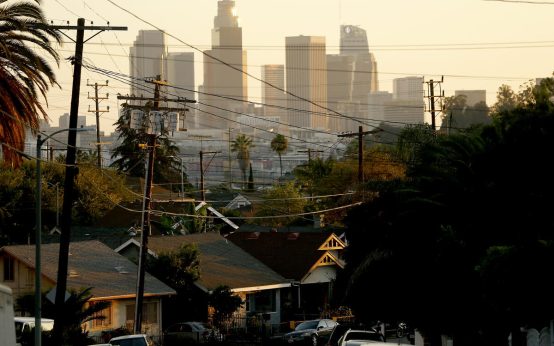 Navigating Los Angeles Real Estate on a Budget
  Mortgage Rates Return Above 7% After Twenty Months
 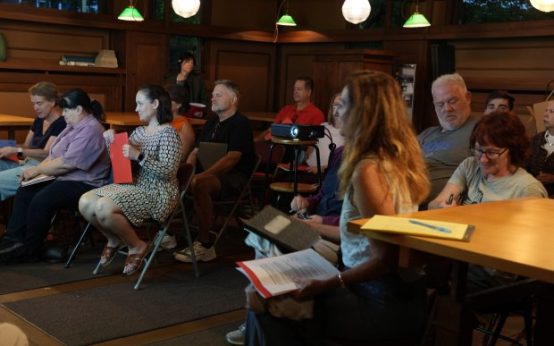 Volunteer Enthusiasm Shines at Frank Lloyd Wright Home and Studio
  Inland Empire Grapples with Growing Housing Affordability Concerns
  Challenges in Los Angeles’ Multifamily Housing Market
  Jevon Carter Sells Chicago Town Home