
As the 2026 midterm elections draw near, both major political parties in the United States are contending with crucial internal issues. The divisions within these parties are proving to be a significant challenge as they prepare for the electoral battle ahead.
The Republican Party, under the influence of former President Trump, is navigating ideological splits that threaten its cohesion. Trump’s presence and influence in events, such as the Republican convention recently held in Dallas, highlight the ongoing friction within the party. The divide between traditional conservatives and Trump-aligned factions remains a critical obstacle.
Similarly, the Democratic Party is facing its own internal struggles. Different wings of the party, ranging from moderate to progressive, are finding it difficult to align their agendas. These factions often clash over policy priorities, creating tension as they aim to present a unified front to voters.
In this political climate, voters are observing how each party manages its internal divisions, which may influence the outcome of the elections. The challenges are not limited to ideological differences but extend to the strategies each party will use to address key issues affecting the nation.
As parties navigate these complex dynamics, their ability to reconcile internal conflicts might prove crucial in gaining voter support and achieving electoral success in the 2026 midterms.
 The Trump Team’s Challenge to the Military Leadership
  Maryland First State to Restrict Electronic Pricing in Grocery Stores
  Activists Push for Nationwide Ban on Child Marriage in the U.S.
 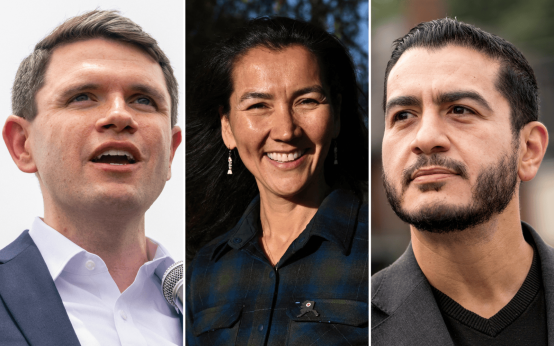 Democratic Hopes and Historical Warnings in 2026 Senate Race
  Republicans Face Challenges Amidst Cost of Living Concerns
  A Different Kind of Fall for Congress This Year