
In recent times, the dynamics of the workplace have shifted significantly. While much has been discussed about the advantages and challenges of remote work, there is less attention on the on-ground reality for employees who remain in office settings.
For those whose roles demand physical presence in the office, adapting to the mixed work environment presents unique challenges. A significant number of direct supervisors now work entirely from remote locations. Additionally, other supervisory figures also often split their time between home and office.
This shift can lead to feelings of disconnection. Office-based workers might find it difficult to maintain seamless communication. A notable concern arises when remote colleagues, including supervisors, delay their responses to emails and texts by several hours.
Such delays disrupt the workflow, hinder decision-making, and can lead to frustration. This is particularly true when immediate feedback or approvals are essential in fast-paced office environments.
Creating a structured communication protocol can mitigate these challenges. Setting clear expectations around response times and preferred modes of communication might help bridge the gap between remote and office-based team members.
While the hybrid work model offers flexibility, ensuring harmony and efficiency between remote and in-office staff requires deliberate strategies. Addressing communication issues will enhance overall productivity and morale.
 NFL’s Attempts at Embracing Diversity Through Spanish Feels Forced
 Editorial Board’s Take on California’s Housing Decisions
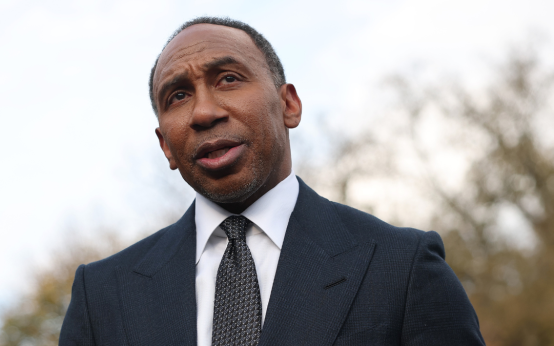 Stephen A. Smith Discusses Trump’s Midterm Losses and Political Climate
 The Evolving Landscape of Modern Love
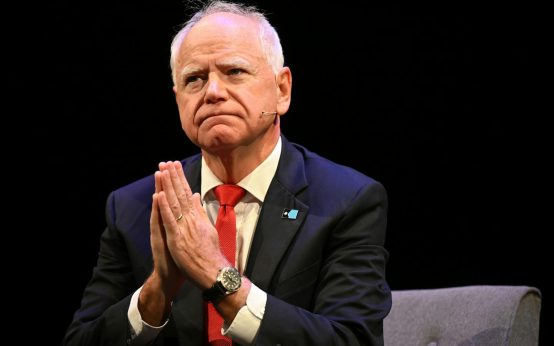 Critiques and Praise for Minnesota Leadership
 Regional Government Success: Portland vs. Twin Cities