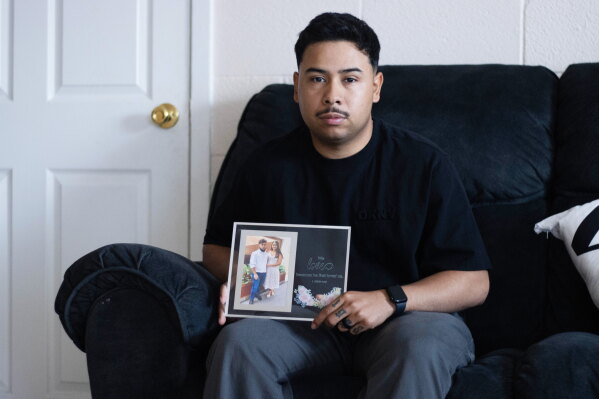
An investigation by the Associated Press has revealed significant changes in immigration enforcement impacting families of U.S. military personnel. Since President Donald Trump returned for a second term, more than 50 parents and spouses of active-duty troops have been detained, with at least six deported. The report highlights that the U.S. Department of Homeland Security does not maintain records of these detentions, suggesting that the real numbers could be higher.
Impact on Military Families
Traditionally, bipartisan consensus has protected the families of military personnel from deportation. They have previously received the opportunity to adjust their legal status due to their family member’s service. However, these protections are being undermined, causing emotional and logistical challenges for service members. Detaining these family members strains families, affecting military readiness during ongoing U.S. military engagements.
Army Sgt. Hedar Leonel Turcios Juarez, stationed in Texas, struggles to focus on his duties after his wife Cristy was detained in July. High-profile cases have led to public backlash, prompting Homeland Security Secretary Markwayne Mullin to intervene and secure some releases. Despite acknowledging the contributions of military members, DHS emphasizes that military service does not automatically protect families from deportation.
Challenges and Concerns
Reports indicate some service members face hardships, such as taking leave or delaying deployments, due to the detention of family members. Sgt. Alexis Jaramillo had to take administrative leave to care for his stepson after his wife was detained during a routine immigration appointment.
Policy Reversals
The Trump administration’s new policy, introduced in April 2025, states that military service alone does not shield from immigration law violations. This marks a significant shift from past policies under various administrations. Immigration experts argue that rarely were immediate family members detained unless involved in violent crime.
Despite the reversal, some congressional Republicans have expressed concern over the detentions, arguing that the immigration system fails Americans who serve honorably. DHS has admitted to detaining 125 military veterans and over 150 family members of service members within a year.
Recruitment and Military Parole-in-Place
The military has historically advertised immigration benefits, including the parole-in-place policy, as recruitment incentives. However, processing times for this policy have increased, leaving families at risk. Some recruiters continue to promote these benefits despite recent policy changes.
Marine Cpl. Jose Vilchis-Valle experienced the sudden deportation of his mother, arrested during a routine appointment, despite a lack of criminal records. This situation has caused disappointment and disillusionment among military families expecting protection due to their service.
U.S. Army Specialist Romero Ralios faces regret over his role in border enforcement, especially after his father’s detention, highlighting the personal conflicts arising from policy enforcement.
 State Department Simplifies Passport Process with Online Applications
 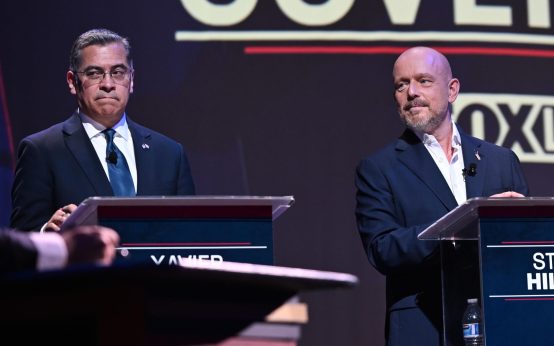 Becerra and Hilton Clash in California Gubernatorial Debate
  California Voters to Decide on $7.5 Billion State Research Fund
 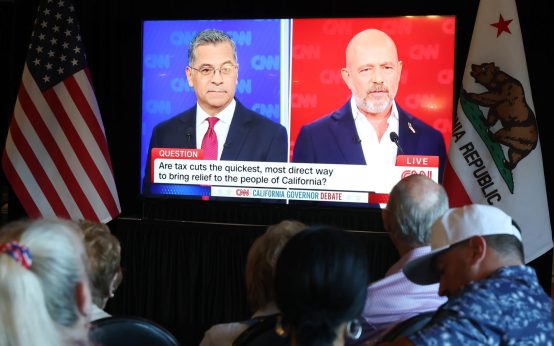 Highlights from the California Gubernatorial Debate: Becerra vs. Hilton
  Becerra vs. Hilton: The Debate and Key Issues in the California Governor Race
  Senate Confirms New Labor Secretary