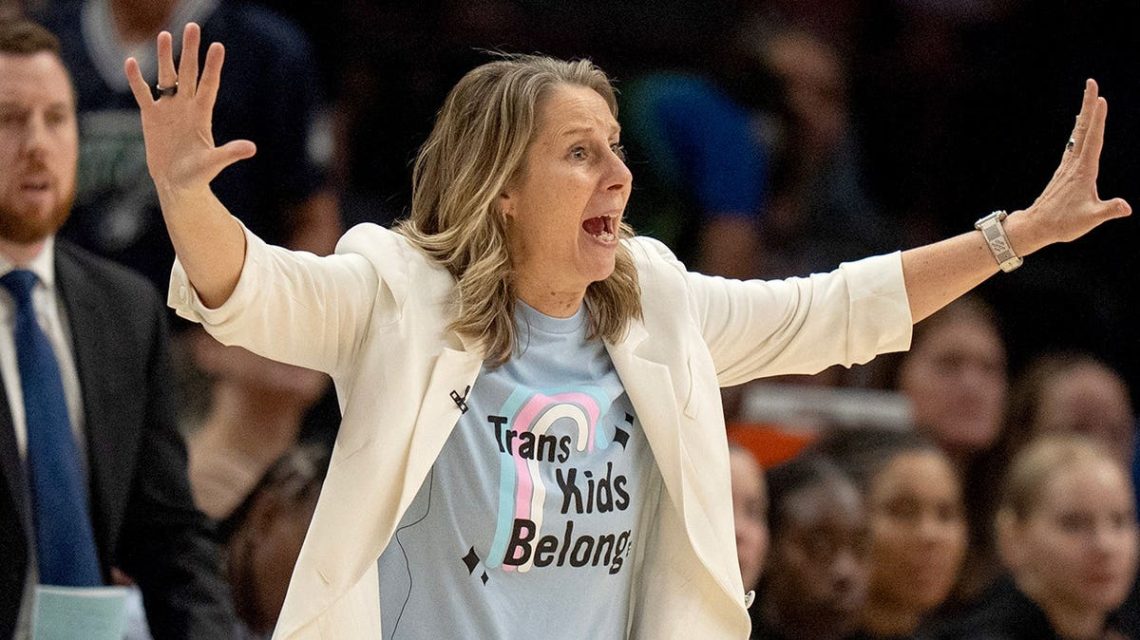
Cheryl Reeve, the coach of the Minnesota Lynx, earned her fifth WNBA Coach of the Year award, receiving 40 out of 74 votes from sportswriters and broadcasters. Her team finished the season with the league’s top record of 33-11, offering a clear argument for the honor. However, winning games hasn’t prevented her from engaging in political debates.
Reeve’s advocacy for including males in women’s sports has sparked discussions, especially among left-wing media, which often supports progressive views and can ignore dissenting opinions. Despite concerns that her political stance might affect her reputation, Reeve’s position seems well-accepted within this community.
Critics point out inconsistencies in awarding the Coach of the Year title. For instance, Reeve did not win the award in 2025 despite her team having a superior record. This year’s successes, including overcoming Napheesa Collier’s absence and benefiting from Rookie of the Year Olivia Miles, bolstered her candidacy.
Political controversies surrounding Reeve include her wearing a “Trans Kids Belong” shirt, leading to debates over the presence of transgender athletes in women’s sports. Opponents argue that sports categories should respect gender distinctions, while Reeve frames disagreements as attacks on the existence of transgender individuals.
“They don’t want transgender people to exist,” Reeve stated, interpreting criticism as a threat to their identity.
Such claims are viewed as misrepresentations of the actual arguments concerning gender and sports. Female athletes and privacy concerns are at the heart of resistance to including males in women’s sporting events.
Reeve argues from an emotional standpoint, saying her advocacy brings life-saving benefits. However, studies question the effectiveness of gender-transitioning treatments, highlighting ongoing mental health challenges even after medical interventions.
Emotional rhetoric is frequently used to bypass scientific evidence and bolster claims of improved mental well-being among trans individuals. Critics like pro-woman advocate Riley Gaines have described this as “emotional blackmail,” used to silence dissenters by tying disagreements to dire outcomes.
While some parents support gender identity inclusivity, labeling those with concerns as “hateful” silences legitimate debate and ignores the basis of objections. Accusing dissenters of wishing harm to others inflames tensions and discourages dialogue.
Reeve’s success in the WNBA acknowledges her coaching prowess as well as the importance of dedicated female sports categories. The ongoing debate over gender in sports challenges the assumptions and boundaries established around these issues.
 The Quest for the Knuckleball Dream
  New Jersey Voter Fraud Prompts Renewed Push for SAVE Act
  Historical Events in Chicago on October 1st
  Concerns Over Changes to Voter-Registration Form for Americans Abroad
  Trump’s 2024 Campaign Targets Young Men Through Cryptocurrency
  Trump’s White House Visitor Center Proposal Gains Bipartisan Support