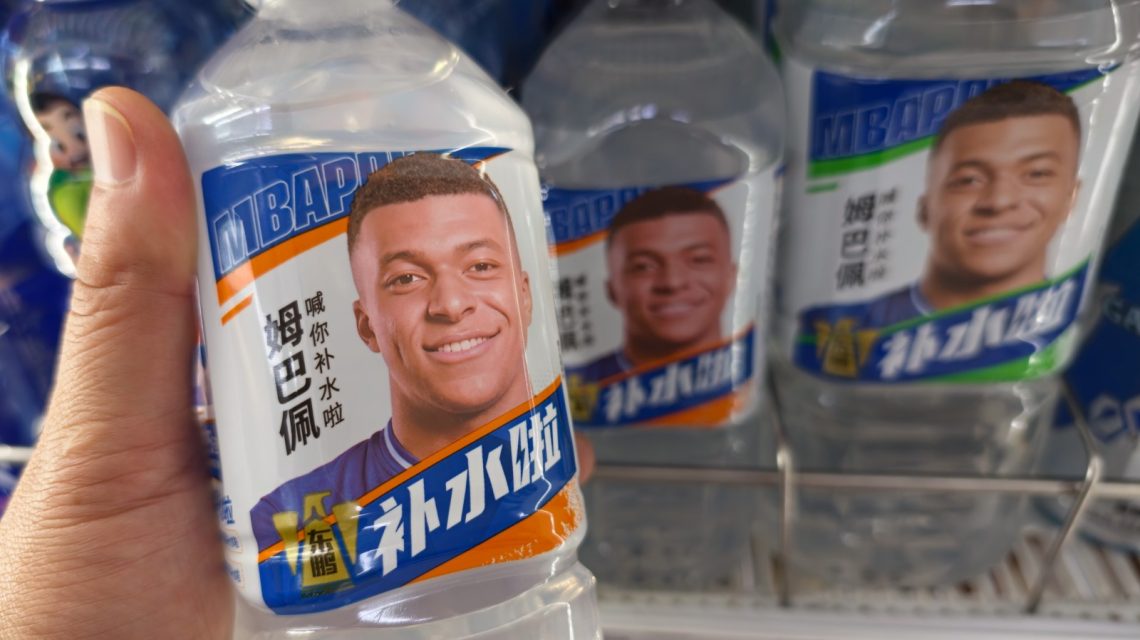
China’s Communist Party discourages discussions about Chairman Mao. Recent events involving French soccer player Kylian Mbappé and Real Madrid exemplify this stance. Mbappé’s unintended comment about Mao led to widespread backlash, resulting in apologies from him and his club to appease Chinese sentiments.
Mbappé’s mistake involved referencing a meme with his face on a ‘Chinese dictator’ body in an old interview. His inaccurate reference to Mao sparked outrage, resulting in revoked brand deals from Chinese companies. The nation’s state television halted broadcasts of Real Madrid and Spain’s La Liga matches.
China’s financial influence on Mbappé is significant; one-third of his $30 million annual commercial income comes from China. His future earnings could be heavily impacted if the Chinese market remains inaccessible.
Real Madrid also faces financial consequences, with 15% of its international merchandising revenue coming from China. Mbappé’s No. 10 shirt is the top seller there. La Liga, generating over $1.7 billion from media rights, relies heavily on international markets like China.
Mbappé quickly issued an apology, followed by statements from the Spanish league and Real Madrid. Chinese spokesperson Guo Jiakun acknowledged the apology but did not confirm resuming brand deals or broadcasts.
China’s sensitivity to political comments extends beyond this incident. Celebrities like John Cena, James Harden, and companies like Marriott International have faced backlash for comments or actions contrary to China’s political stance.
Beijing’s response to Mbappé’s video demonstrates Mao’s intricate legacy. Though Mao’s policies caused widespread suffering, the Communist Party avoids open debates about historical figures to maintain control over narratives.
The party didn’t want to highlight Mbappé’s interview but reacted when a Chinese forum condemned his remarks. Chinese censorship meant news outlets reported without specifics, leading to curiosity among social media users.
Mbappé’s comments led to confusion on China’s Weibo platform. Many users hadn’t seen the original remarks, prompting debates about Mao’s historical role and status as a dictator.
Several Chinese commentators believe the government missed a chance to globally reshape Mao’s image. However, authorities prefer silence over discussions. Searches on Weibo about Mbappé’s interview show criticism from propaganda sources, emphasizing China’s control over information.
In this situation, China appears rigid yet secures its influence over Western entities, asserting its dominant role.
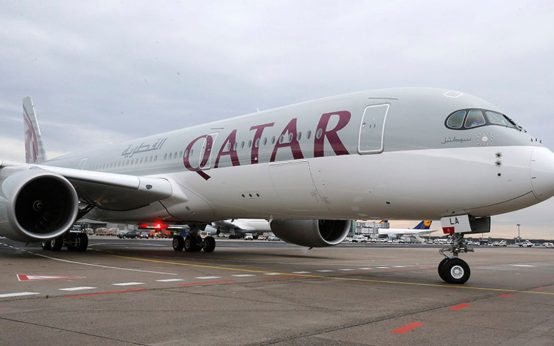 In-Flight Altercation on Qatar Airways Leads to Police and FBI Response
 Virginia Residents Sue Over Alleged Immigration Violations
 Updates on Key International and Domestic Events
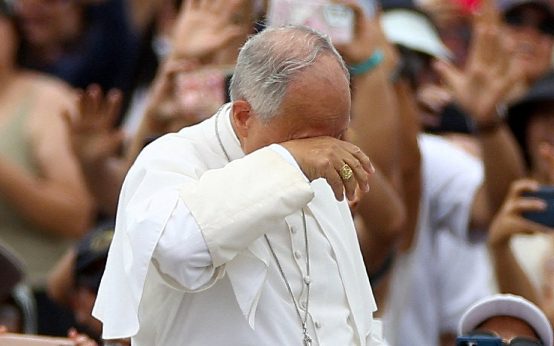 Pope Leo XIV Completes South American Tour with Farewell Mass in Peru
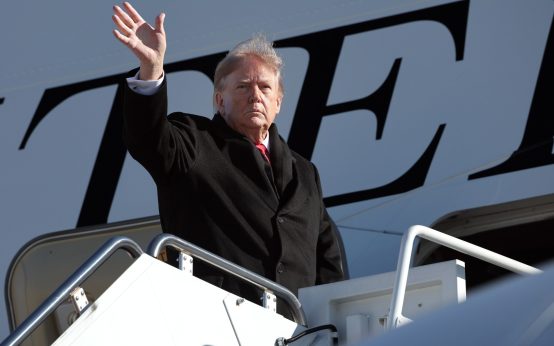 President Trump’s Critical Asia Trip: Key Meetings and Implications
 U.S. Plans to Restrict AI Chip Exports Before Trump-Xi Meeting