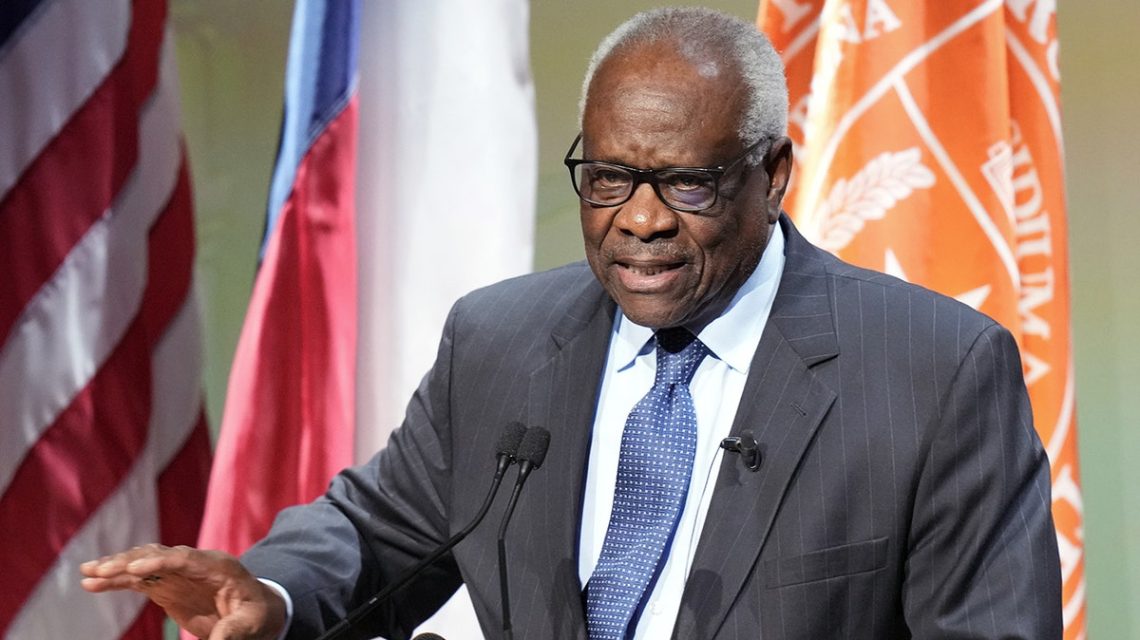
Supreme Court Justice Clarence Thomas recently addressed public criticism regarding his perspectives on race and politics. He remarked on how some critics have questioned his racial identity due to his viewpoints. During a discussion with Peter Robinson at the Hoover Institution, Thomas expressed frustration at such critiques, asking, ‘How stupid is that? Look at me,’ as he pointed to his own arm. He also highlighted the remark, ‘Black is a state of mind.’
The conversation explored the role of Black Americans in politics. Thomas reflected on how his thinking was influenced by economist Thomas Sowell, a fellow Black conservative. Sowell’s work helped Thomas gain confidence to challenge traditional expectations of Black Americans’ political beliefs.
Thomas spoke at a special lecture at the University of Texas, commemorating the 250th anniversary of the Declaration of Independence. He described the pressure he felt as a young man to adopt specific political beliefs because of his race. He encountered resistance when his views diverged from the norm, feeling challenged by voices that told him he was wrong.
While attending Yale Law School, Thomas opposed the push for school busing. He questioned why Black families would want their children sent to distant, unfamiliar schools. At Yale, expressing these thoughts often led to criticism, with people asserting he shouldn’t hold such views due to his race.
Thomas noted a disconnect between the opinions of Black political leaders and everyday Black Americans on issues like school busing and racial preferences. Leaders and the public often held different views on these matters.
Thomas credited Sowell’s book, Race and Economics, with helping him understand his views more clearly. A friend introduced him to the book, which provided the analytical framework he needed, lifting his sense of isolation.
Thomas acknowledged having initially rejected Sowell’s ideas when he first encountered them as a Yale student in 1972. At the time, he believed no Black person should think in such a way. However, Sowell’s influence later encouraged Thomas to confidently express his beliefs, despite facing critiques.
Thomas emphasized the importance of thinking independently, a lesson he learned from Sowell. He stated that while individuals are free to have their thoughts challenged, being dismissed based on racial identity is illogical.
For Thomas, a key takeaway from Sowell was the significance of personal conviction. Sowell encouraged others to think for themselves rather than dictate what they should believe.
 Activists Push for Nationwide Ban on Child Marriage in the U.S.
  Democratic Hopes and Historical Warnings in 2026 Senate Race
  Republicans Face Challenges Amidst Cost of Living Concerns
  A Different Kind of Fall for Congress This Year
  Cornel West and Sean Hannity Discuss Differences on Podcast
 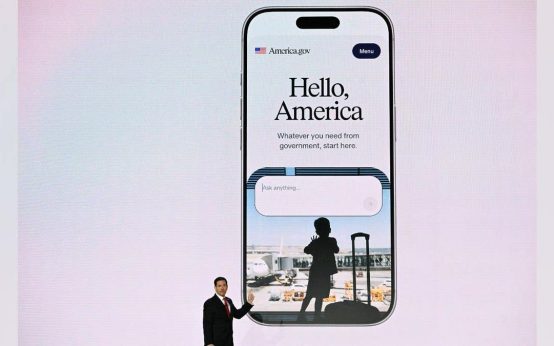 Trump Unveils AI-Powered America.gov Platform