
A senior student at Beaver River Central School in Lewis County, New York faced an unexpected consequence and sparked a larger debate about policy adherence. Julie Kaputa was given an in-school suspension on the first day of school after she violated a new ban on outside food and beverages by bringing coffee to class.
Julie described the incident to local station WWNY. “I walked in with my coffee,” she said. Her teacher then told her, “I’m either going to need you to dump that out or consume it on the spot or go down to the office.” Importantly, the suspension will not impact her permanent record.
Questioning the Rule
Julie and her mother, MaryAnne Kaputa, decided to examine the rule itself rather than only focus on the suspension. MaryAnne noted that they couldn’t find public records showing the district had announced a necessary public hearing before enacting the measure.
“There was no public hearing to discuss it,” Julie stated to WWNY, emphasizing the importance of transparency in governance.
District Admits Mistake
Superintendent Todd Green explained that an August board meeting was meant to serve as a public hearing for the district’s code of conduct. Yet after discussions with the Kaputas, he admitted the meeting wasn’t clearly promoted as a policy commentary session.
“It’s good to see students standing up for their beliefs,” Green remarked to WWNY. “We’re trying to do our best and adhere to open meeting laws. We’ll make changes if required.”
Newsweek reached out to Green for additional comments.
Similar Cases
While coffee-related disputes are rare, there are key cases dealing with student rights and due process:
- Morse v. Frederick (2007): This case involved a student suspended for a controversial banner. The U.S. Supreme Court ruled that schools could restrict student expressions promoting illegal drug use.
- Goss v. Lopez (1975): This ruling determined public school students have constitutional rights to due process and a hearing before suspensions.
The Next Steps
This situation raises an important procedural question: is policy enforcement legal if public-notice steps were not correctly followed? In response, district officials have arranged a new public hearing on September 14. This offers students and parents another chance to voice their opinions.
 Trump’s 2024 Campaign Targets Young Men Through Cryptocurrency
  Trump’s White House Visitor Center Proposal Gains Bipartisan Support
  State Department Simplifies Passport Process with Online Applications
 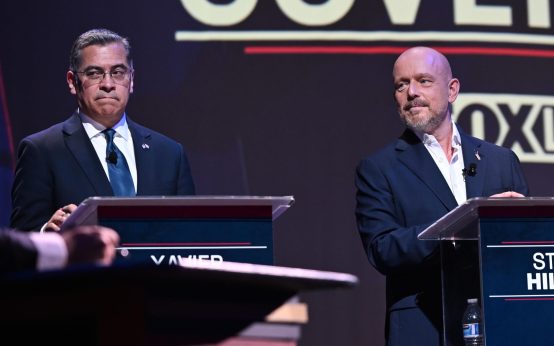 Becerra and Hilton Clash in California Gubernatorial Debate
  California Voters to Decide on $7.5 Billion State Research Fund
 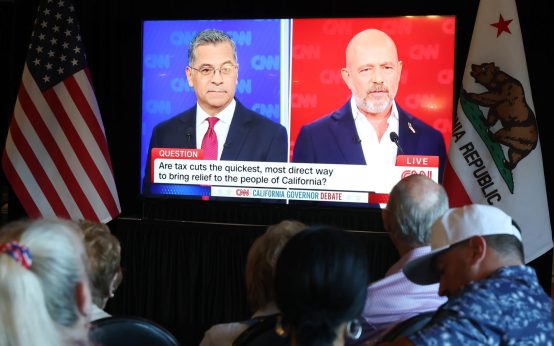 Highlights from the California Gubernatorial Debate: Becerra vs. Hilton