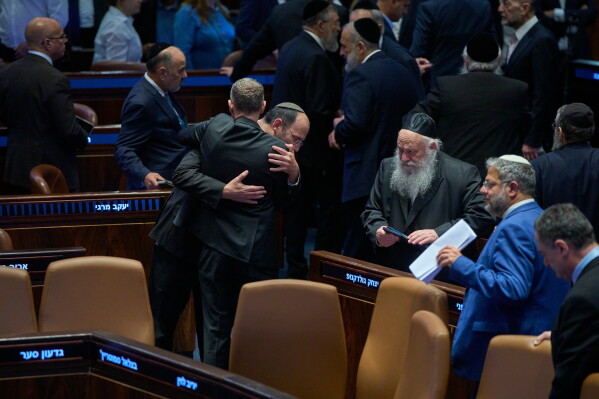
The newly elected President of Colombia, Abelardo de la Espriella, announced plans to withdraw Colombia’s involvement in a case brought by South Africa against Israel at the International Court of Justice. This is part of his plan to renew diplomatic relations with Israel once he takes office.
De la Espriella, a conservative, will assume office on August 7, succeeding the progressive Gustavo Petro. Petro had severed diplomatic ties with Israel in 2024 as a protest against what he termed as “genocide” in Gaza, likening it to actions by Nazi Germany.
Under Petro’s administration, Colombia supported South Africa’s case at the United Nations’ highest court accusing Israel of “genocide” against Palestinians in Gaza. Israel has firmly denied these allegations, accusing South Africa of being a legal advocate for the Palestinian militant group Hamas.
The break in relations necessitated a shift in security suppliers for Colombia, whose armed forces used Israeli-made combat aircraft and rifles to fight drug cartels and rebel groups. Supported by U.S. President Donald Trump, De la Espriella prioritizes strengthening U.S.-Colombia cooperation and reestablishing ties with Israel in his foreign policy.
“The historic relationship that the Petro government broke will be restored. Colombia will regain its allies, its diplomatic word, and its place as a reliable partner in the world,” De la Espriella stated in a release.
The designated Foreign Minister, Omar Bula, met with Israel’s Foreign Minister Gideon Saar in Washington to agree on a roadmap for the “full and immediate restoration of diplomatic and economic relations” starting August 7, the release added. The plan includes appointing ambassadors, reciprocal visa removal, and opening Colombia’s embassy in Jerusalem.
After cutting ties with Israel, Colombia announced plans to open an embassy in Ramallah, a Palestinian territory occupied by Israel, and Petro subsequently appointed an ambassador there.
Gustavo Petro has opposed De la Espriella’s announcements to resume relations with Israel, warning on social media that “those who support genocide will become genocidal in their own country.”
The government transition has caused political tension in Colombia, as Petro contested De la Espriella’s election victory, claiming fraud and alleging the involvement of “Israeli private intelligence firms” to benefit political ally Iván Cepeda.
 Incident on FlyDubai Flight Raises Security Concerns
 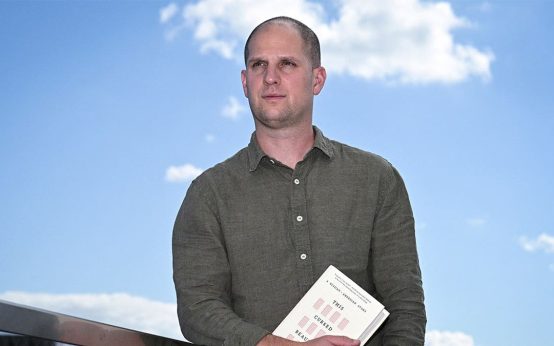 Journalist Gershkovich Discusses Wrongful Detention and Release in Russian Prisoner Swap
 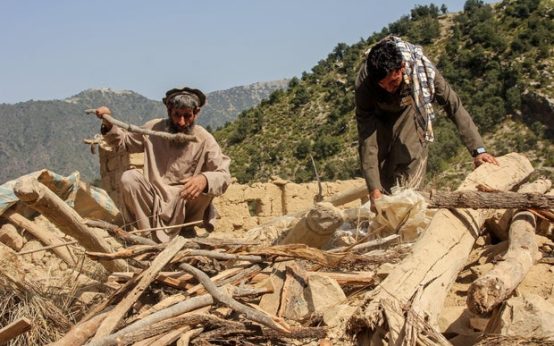 Pakistan Airstrikes in Afghanistan: Civilian Casualties Reported
 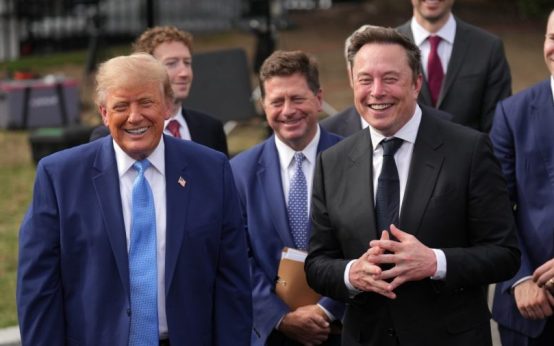 Trump’s 2024 Reelection and Evolving Voter Dynamics
  Defense Secretary Emerges as Key Player in the Trump Administration
  Ukraine Converts APCs to Explosive Devices in Donetsk Offensive