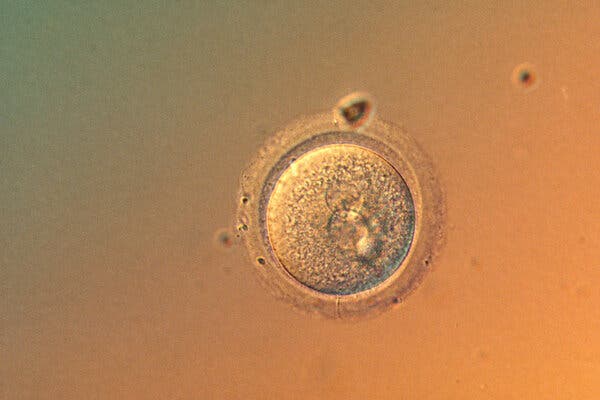
Scientists at Columbia University have successfully edited the DNA of early human embryos with unmatched precision. This breakthrough might pave the way for babies with engineered traits, a topic that has been controversial for many years. The advancement could allow parents to correct disease-causing mutations in embryos safely. However, the use of technology to select specific traits raises ethical concerns and has been compared to eugenics by some ethicists.
Dieter Egli, the lead geneticist at Columbia University, emphasized the need for public discourse on the ethical implications of altering embryonic DNA. He stated, As a scientist, you can provide the data for discussion, but then essentially there you stop and let others take over.
The research team utilized a novel technique known as base editing. This method enables precise replacement of individual genetic letters in DNA sequences. It avoids the damage commonly associated with older techniques like CRISPR.
Despite the advancements, Dr. Egli warned that many uncertainties remain regarding potential harmful side effects. He clarified, We’re not saying this is going to be used tomorrow in the clinics.
The study has been made available online for review, although it is still pending publication in a scientific journal.
 Trump Administration Distributes ACA Refund Checks
  Higher Consumption of Ultra-Processed Foods Linked to Increased Health Risks
  Understanding Inflammation: Myths and Facts
  Climate-Resistant Rock Glaciers: Hidden Water Resources
  California Voters to Decide on $7.5 Billion State Research Fund
  Calm Parenting: Strategies to Manage Stress