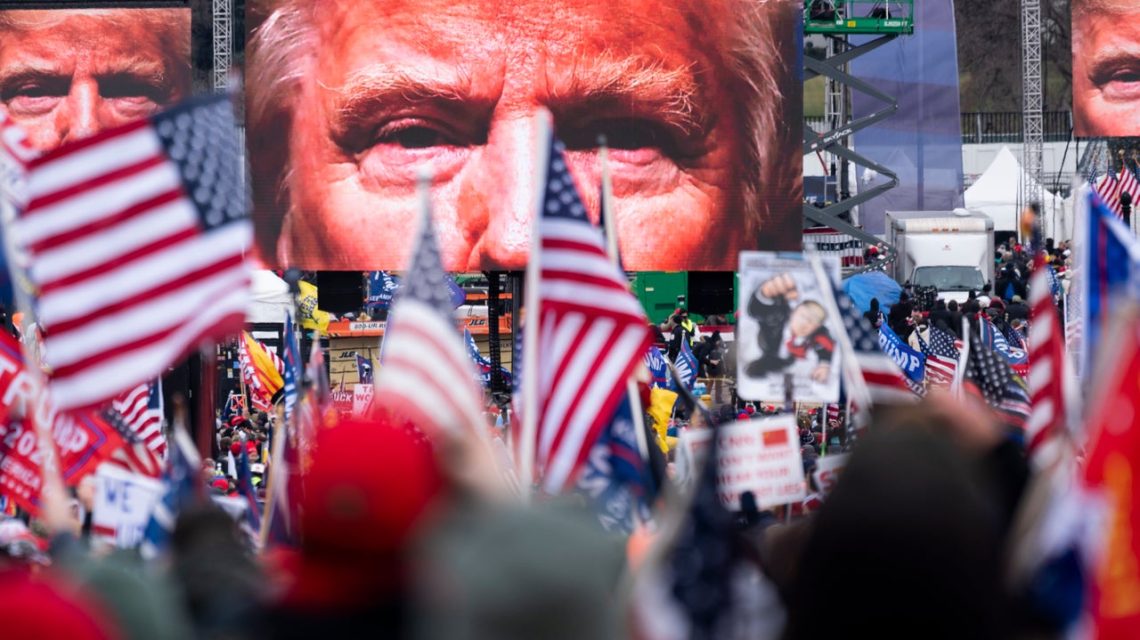
As election results come in, a key question remains: What if Donald Trump rejects the outcome and tries to overturn it? Legal experts stress the Constitution gives no electoral role to a president. Yet, past events raise concerns. During the last election, Trump faced criticism for allegedly inciting the Capitol attack when things didn’t go his way.
Ty Cobb, a former White House lawyer under Trump, highlighted the risks. “The extent of his authoritarian tendencies is immense,” Cobb stated. “His willingness to accept violence is concerning.” Upon rejoining office, Trump’s actions have raised alarms about legal boundaries. His directives included deploying unidentified federal agents into cities, against local leaders’ wishes. This decision led to several incidents, including citizen deaths.
Specific actions stoke fears of illegal tactics in upcoming elections. There are reports of Trump considering martial law if needed. He has expressed regrets for not seizing ballots after losing in 2020. When questioned on accepting election results, Trump replied ambiguously, focusing on alleged cheating.

Democracy advocates emphasize the law’s resilience, citing the Department of Justice’s multiple legal setbacks under Trump’s direction. Norm Eisen, an advocate, assures that attempts to undermine democracy won’t succeed.
Stephen Richer, a former election official in Arizona, shared personal insights on the chaos post-election in 2020. Trump supporters, some armed, disrupted the electoral process, defying baseline democratic norms.
Historically, Trump’s refusal to accept losses dates back to his political debut. Alleging fraud after losing in Iowa’s 2016 caucuses, Trump called for a redo. His victory in 2016 did not curb his claims of voter fraud, despite winning. He alleged that several million votes for Clinton came from undocumented immigrants, a claim later abandoned by a task force.
During the 2020 reelection campaign, Trump repeatedly discredited mail-in ballots. As his loss to Biden became apparent, he launched constant baseless fraud claims, escalating to direct attempts at changing results through recounts and legal maneuvers. His 2021 remarks inciting the Capitol attack to alter certification further drew criticism.
Concerns grow as Trump maintains these narratives, often claiming the electoral system is rigged. Recently, he exaggerated his electoral victories, including in states like California and Minnesota, despite factual losses.
Richer predicts possible misuse of presidential authority if Republicans lose control in Congress. Potential federal-local law enforcement clashes over voting systems could arise, posing serious risks.
Walter Olson, a legal expert, believes the rule of law is crucial in containing undemocratic actions. Yet, preventing potential chaos depends on political figures, like Senate Majority Leader John Thune and Speaker Mike Johnson, to prioritize national stability.
The involvement of key GOP figures, some previously aligned with Trump’s 2020 challenges, highlights the complexity of navigating potential crises in this new election cycle.
 Mayor Mamdani’s Policing Reform Plans
 Gen Z Voter Shifts and Their Impact on the 2026 Midterm Elections
 Disappearance of US Senate Candidate Raises Questions
 DOJ Rule Change Reduces Appeal Time for Immigrants Facing Deportation
 Hakeem Jeffries’ Bid for House Speaker Faces Progressive Hurdles
 Ohio Judge Dismisses Defamation Lawsuit by Rep. Max Miller