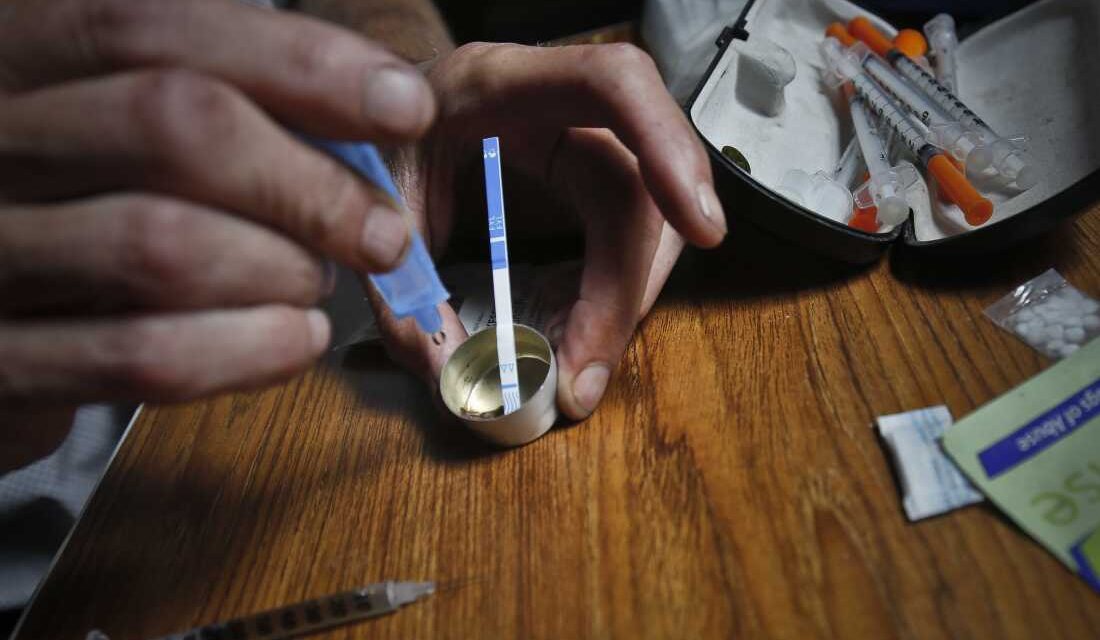
On August 22, 2018, a drug user in New York used a test strip to determine if fentanyl was added to heroin, which poses a significant overdose risk. In Baltimore, just last year, three mass overdose incidents occurred in the Penn North neighborhood over three months. In one case, more than two dozen people were hospitalized, found unresponsive in the streets and on sidewalks. Fortunately, no deaths occurred, but some individuals were close to fatality. Follow-up tests revealed that the street drugs contained high levels of N-methylclonazepam, a benzodiazepine akin to Xanax or Valium. Like opioids, benzodiazepines suppress breathing, increasing overdose risks. Benzodiazepines do not respond to opioid overdose reversal drugs.
In response, the Baltimore Harm Reduction Coalition developed test strips tailored for benzodiazepines. They distributed these alongside strips identifying other harmful additives like fentanyl, xylazine, and medetomidine at clinics and local events. Free test strips are also accessible in bars and spread along street corners. Users mix a small drug sample with water and dip a test strip in it; the strip changes color if an adulterant is detected.
“Nobody really knows what they’re getting whenever they’re getting stuff off of the street,” stated Candy Kerr, spokesperson for the coalition. “Having the test strips available for the general public gives them the option to move slower if they’re going to use whatever they’re going to use.”
However, a new federal policy might impede organizations like Kerr’s from distributing test strips, raising concerns over potential increases in overdose incidents. Late in April, the Substance Abuse and Mental Health Services Administration prohibited using federal grants to distribute strips or support other harm reduction practices credited with saving lives. Test strips have been employed for nearly a decade to identify adulterants. A box with free test strips for various adulterants is located outside the Chesapeake Detention Center in Baltimore. Health advocacy groups strive to distribute the strips to individuals upon release from jail or prison to prevent overdoses.
A letter sent to local health departments and addiction service nonprofits explained the Trump administration’s stance. It believes these harm reduction practices “facilitate illicit drug use and are incompatible with Federal laws.” The letter outlines that Health and Human Services grants cannot be used for programs supporting clean needles or drug paraphernalia distribution, or funding hotlines that monitor drug users for potential overdoses.
The Trump administration aims to emphasize other strategies, such as distributing naloxone, an overdose reversal drug available as a nasal spray, according to Emily Hilliard, an HHS spokesperson. Hilliard stated, “It is critical that federal funding provided by the American taxpayer goes to effective, common-sense solutions that have been proven to save lives and keep people out of an endless cycle of addiction and moves them into a life of recovery.”
The policy does not prevent federal funds for purchasing test strips for use by law enforcement, public health officials, EMTs, or medical professionals. This creates exceptions for government agencies testing drugs and reporting on local drug adulterants.
Yngvild Olsen, who led SAMHSA’s Center for Substance Abuse Treatment under both the Biden and Trump administrations, highlights substantial evidence that distributing test strips to drug users affects their behavior. “There’s some people deciding not to use the substances, some people deciding to reduce, to use less, or take other types of precautions, including naloxone, and making sure that there are people around that can actually then help in the case of an overdose,” Olsen said.
Candy Kerr believes continuing to promote test strips while distributing naloxone is crucial. She attributes Baltimore’s overdose death decline, over 40% since 2023, to this dual approach. Under the new policy, nonprofits must seek alternative funding for test strips, which Kerr finds concerning. “We’ve been making these strides forward because we’ve had these things, because we’ve been funded,” Kerr noted. “We’re going to have to pull money from other places.” To fund test strips, Kerr stated that the Baltimore Harm Reduction Coalition would curtail services such as distributing hygiene and wound care kits. However, she emphasizes it’s a preferable choice over risking another mass overdose in Baltimore or facing even a single avoidable fatality.
This story comes from NPR’s health reporting partnership with WYPR and KFF Health News.
 Understanding Inflammation: Myths and Facts
  Calm Parenting: Strategies to Manage Stress
  Trump’s Executive Order to Combat Mosquitoes and Ticks in D.C.
  Overcoming Weight Loss Challenges: Brain Health and GLP-1 Medications
  Supporting Children’s Mental Health at Home: Practical Steps for Parents
  Abdul El-Sayed’s Strategy to Attract Health-Conscious Voters in Michigan